
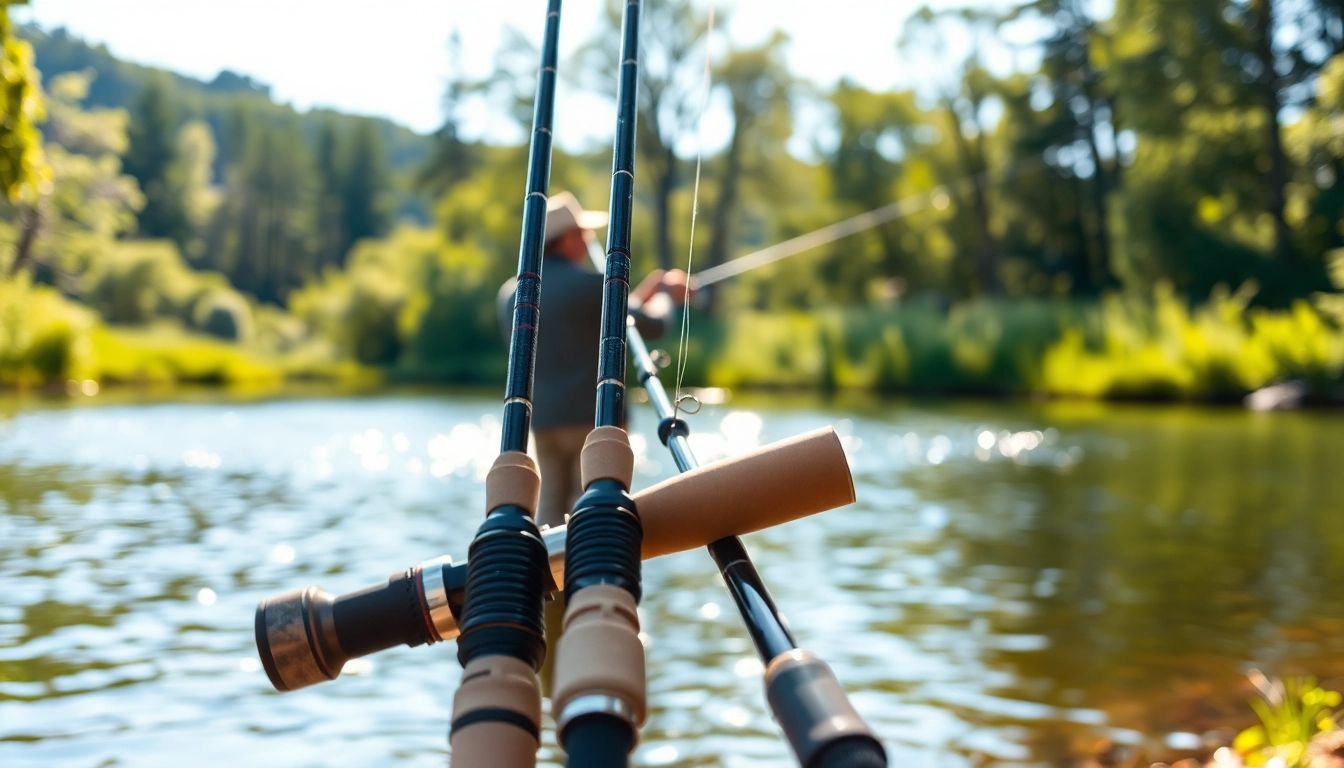
Understanding Fly Fishing Rods
Fly fishing is as much an art as it is a skill, and one of the most critical components of the practice is the fly fishing rod. The choices available in the market can overwhelm even seasoned anglers, making it essential to understand what makes the Best fly fishing rods stand out. This guide will navigate you through the essential features, types, and maintenance tips that can elevate your fishing experience.
What Makes the Best Fly Fishing Rods?
The best fly fishing rods are not universally defined; instead, they depend on the angler’s specific needs, target species, and fishing environment. However, several key factors consistently emerge among high-quality rods:
- Action: This refers to how much and where a rod bends during casting. Fast action rods bend mostly at the tip, making them ideal for quick, precise casts. Slow action rods, on the other hand, flex over the entire length, offering greater sensitivity for detecting even the slightest nibble.
- Power: Rod power denotes the heaviness or lightness of the rod, impacting its performance with different line weights and types of flies. Higher power allows for casting heavier lines and larger flies.
- Durability: The longevity of a fly fishing rod is essential, especially for those who fish frequently. Materials and craftsmanship must be robust enough to withstand both the elements and the wear-and-tear of regular use.
- Weight: Lightweight rods are generally preferable for long fishing trips, preventing fatigue while still delivering effective performance. This is especially crucial on lengthy outings where casting can be repetitive.
Materials and Construction Techniques
Most modern fly rods are crafted from materials like graphite or fiberglass, each offering unique benefits. Graphite rods, known for their lightweight and strong properties, are preferred by many for their quick responsiveness and decreased fatigue during prolonged fishing sessions. Fiberglass rods, although heavier, provide an exquisite taper that delivers a smooth casting experience, often favored for nostalgic or traditional fishing.
Beyond materials, manufacturing techniques also play a pivotal role. Advanced construction methods such as multi-modulus graphite layers provide a balance of performance and sensitivity, ensuring that anglers can feel even the faintest nibble while casting accurately. Additionally, the wrapping techniques used to attach guides can affect both the rod’s durability and performance.
Choosing the Right Length and Weight
Length and weight are critical parameters in the selection of a fly rod. Typically, rods range from 7 to 10 feet in length. Shorter rods (7-8 ft) are ideal for small streams, offering greater maneuverability in tight spaces, while longer rods (9-10 ft) are excellent for larger bodies of water, allowing for better line control and the ability to cast longer distances.
The weight of the rod should match the line weight, which significantly impacts casting performance. A rod rated for a specific line weight (e.g., 4wt or 5wt) manages the stress and responsiveness required for handing various flies and fighting fish. It’s crucial to find harmony between rod weight and line weight, ensuring optimal performance based on your target fish species.
Types of Fly Fishing Rods
Understanding the different types of fly rods can help you choose in accordance with your fishing style and goals. Fly rods can be categorized based on materials, functionalities, and target species.
Graphite vs. Fiberglass: Which is Best?
When contemplating between graphite and fiberglass rods, it’s essential to consider the context of your fishing experience. Graphite rods dominate the market due to their lightweight nature and faster action, making them suitable for skilled anglers seeking precision and distance. Conversely, fiberglass rods often evoke a sense of nostalgia, delivering a slow action that’s forgiving for beginners while providing excellent feedback.
Moreover, fiberglass rods can offer a softer cast, which can be beneficial in delicate situations where stealth is required. Each type has its advantages and drawbacks, making the decision highly personal. Ultimately, the “best” material boils down to individual preference, skill level, and fishing environment.
Single-Hand vs. Double-Hand Rods
Single-hand rods are more common for general fly fishing use, with lengths varying from 7 to 9 feet. They are versatile and ideal for fishing close to shore and in smaller streams where precision dictates success. Double-hand rods, often referred to as spey rods, extend the casting distance significantly, making them more suited for larger rivers and lakes where longer casts are needed.
While single-hand rods favor accessibility and ease of use, double-hand rods excel in power and control during casting. They allow anglers to perform various casting techniques that can be advantageous in difficult fishing conditions where shorter casts may struggle to reach deep-water fish.
Specialized Rods for Different Fishing Conditions
Certain fishing environments demand specialized rods designed to enhance effectiveness. For instance, fast action rods can outperform in windy conditions, while softer action rods might be preferable in calm waters, enabling better presentation of flies without scaring fish away. Additionally, specialized rods exist for specific fish types, such as saltwater rods, which are designed to handle larger, more aggressive fish species, and trout rods which prioritize sensitivity and finesse.
Considering the specific conditions and targeted species can be key in selecting a specialized rod, enhancing your success rate on the water.
Top Picks for Best Fly Fishing Rods
Whether you are new to fly fishing or a seasoned expert, knowing the right rod can significantly enhance your experience on the water. Here, we delve into various categories, providing recommendations that suit different skill levels and budgets.
Beginner-Friendly Options
For those just starting, it is crucial to find a rod that simplifies the learning process while still providing good performance. Here are a few beginner-friendly options:
- Redington Classic Trout: This solid all-around rod features a mid-flex action that provides the forgiveness needed for beginners while still offering enough performance for evolving skills.
- Orvis Clearwater: Known for its versatility and durability, this option lets beginners experiment with various techniques and environments without being burdened by excessive performance expectations.
- Echo Base Fly Rod: The Echo Base provides excellent value for entry-level rods with a well-balanced design ideal for comfortable casting in calm waters.
High-Performance Choices for Experts
Experienced anglers often seek rods that enhance their abilities, offering greater control and sensitivity. High-performance options include:
- G. Loomis NRX+: Renowned for its sensitivity and strength, this rod excels in demanding conditions, providing exceptional performance for expert casting techniques.
- Sage X: Incorporating advanced technology, the Sage X offers elite level performance with an incredibly lightweight feel, making long casting sessions comfortable.
- Scott Radian: This fast-action rod is designed for precision and distance, giving experienced anglers the tools they need for dynamic fishing situations.
Budget-Friendly Recommendations
Quality fly rods don’t always require a significant investment. Here are some budget-friendly options that deliver on performance:
- Okuma Sierra: With a price point that won’t break the bank, the Okuma Sierra offers an excellent balance of action, power, and sensitivity.
- Mountain Cork Fly Rod: This cost-effective rod is perfect for casual anglers who prioritize good value without sacrificing quality.
- Fenwick AETOS: Featured with quality components, this budget-friendly rod still provides impressive castability and sensitivity, making it a popular choice among novice anglers.
How to Properly Maintain Your Fly Fishing Rod
Investing in the right fly rod is only the first step; maintaining your equipment will prolong its life and performance. Proper care can avoid costly repairs or replacements.
Cleaning and Storing Your Rod
After each fishing trip, take the time to clean your rod. This includes rinsing it with fresh water to remove salt, dirt, and debris. Pay special attention to the guides and reel seat, where dirt can accumulate.
When it comes to storing your rod, avoid leaving it in direct sunlight or extreme temperatures, which can warp or damage its construction. Utilize a rod tube or case, ensuring the rod is securely stored to prevent damage to its components, especially during transportation.
Repairing Minor Damages
Minor repairs, such as fixing a loose guide or re-wrapping a frayed section, can often be done at home with basic tools. Familiarizing yourself with your rod’s components can make it easier to spot and address issues promptly. For more extensive damage, it’s advisable to consult a professional.
Learning to recognize potential problems is critical – for instance, inspect your rod for any signs of cracking or wear. Prompt repairs can prevent more severe damage from developing over time.
Upgrading Components for Enhanced Performance
Many anglers opt to upgrade components such as rod guides and handles, enhancing their rods without a complete overhaul. High-quality guides can provide smoother line management, allowing for improved casting distances. Upgrading to lightweight grips can enhance comfort during long fishing trips, allowing for a more enjoyable experience overall.
Considering upgrades can significantly impact performance, ensuring that your rod meets your evolving needs as you advance in your fly fishing journey.
Getting the Most Out of Your Fly Fishing Experience
Besides having the best gear, understanding various fishing strategies and safety practices is critical to enhancing your fly fishing experience.
Techniques for Effective Casting
Effective casting is a blend of technique and practice. Here are a few tips to improve your casting:
- Practice the ‘10 and 2’ method: Visualizing a clock while casting can help you direct your movements better; keeping the rod tip close to the 10 o’clock position when backcasting, and moving towards 2 o’clock when forward casting provides a fluid motion.
- Use Proper Wrist Action: Avoid overextending your arm; instead, focus on wrist movements to control the finesse of your casts, allowing for better accuracy.
- Control Your Line: Managing slack line is essential in presenting the fly naturally to fish. Practice mending techniques regularly to improve your presentation skills.
Understanding Water and Fish Behavior
Every body of water presents unique conditions that influence fish behavior, from the time of day to water temperature and depth. Learning to read these cues can enhance your fishing success. For instance:
- Observe surface activity—fish often rise to the surface in search of insects during dawn and dusk.
- Pay attention to weather patterns; overcast days often lead to better fishing conditions as fish are more likely to venture out.
- Understand the local ecosystem; learning about seasonal migration patterns can profoundly affect where and when to fish effectively.
Safety Tips for Fly Fishing Trips
Safety should always be a top priority while engaging in fly fishing. Here are several tips to ensure a safe outdoor experience:
- Wear a life jacket: Always have a personal flotation device available, especially when fishing from a boat or in fast-moving waters.
- Dress Appropriately: Weather and water temperature can change rapidly; layering clothing allows you to respond quickly to these shifts while keeping you dry.
- Be Aware of Your Surroundings: Always look for hazards such as slippery rocks, sudden drops, or wildlife, and know your exit routes in case of emergencies.
Taking precautions and being prepared allows for a more enjoyable fly fishing experience, where the focus can remain on the thrill of the catch rather than the dangers of the environment.