
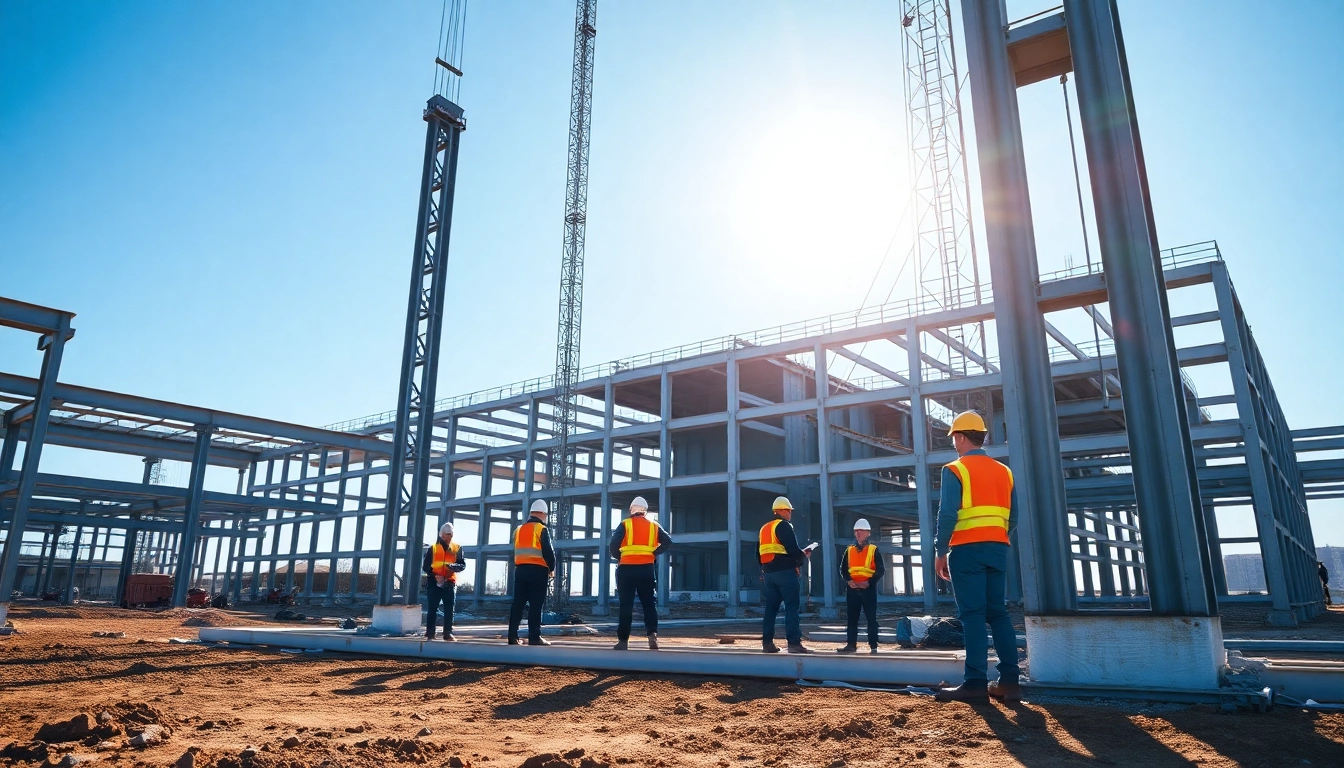
Understanding Structural Steel Installation
Structural steel installation plays a critical role in modern construction, serving as the backbone for various infrastructure projects—from skyscrapers to bridges. It not only provides strength and stability but also contributes to efficient construction practices. In this comprehensive guide, we will delve into the intricacies of structural steel installation, covering everything from basic definitions to best practices and performance metrics.
What is Structural Steel?
Structural steel is a category of steel used in construction, formed into specific shapes for a variety of uses. It is known for its high tensile strength and durability, which are essential qualities for bearing loads and providing stability to buildings and other structures. Commonly used shapes include I-beams, H-beams, plates, and angles. These profiles are either hot-rolled or cold-formed, depending on the specific application.
Importance of Structural Steel in Construction
The importance of structural steel cannot be overstated. It is one of the most commonly used materials in construction due to its numerous advantages:
- Strength and Load-Bearing Capacity: Structural steel can endure more weight than conventional building materials.
- Transformability: It can be easily molded into various forms and integrated with other materials.
- Speed of Construction: Around 30% faster than traditional concrete, allowing quicker project completions.
- Recyclability: Steel is fully recyclable, which aligns with increasing sustainability goals in construction.
Common Types of Structural Steel Materials
There are several types of structural steel materials, each with distinct uses:
- Carbon Steel: The most common type, used for structural frame elements.
- Alloy Steel: Contains additional elements for enhanced properties, useful for demanding applications.
- Stainless Steel: Resistant to corrosion, making it ideal for structures exposed to harsh environments.
- High-Strength Steel: Provides greater load-bearing capabilities with a relatively smaller profile.
Steps in the Structural Steel Installation Process
Preparation and Planning Phase
The preparation and planning phase is crucial for ensuring a successful structural steel installation. Key steps include:
- Design Specifications: Engineers draft detailed blueprints outlining the specifications of the steel structure based on load requirements.
- Material Selection: Choosing the appropriate type of steel and thickness based on project needs.
- Site Inspection: Conducting a thorough site inspection to identify any potential challenges.
- Permitting and Regulations: Ensuring compliance with local building codes and obtaining necessary permits.
Execution of Installation Techniques
Once planning is complete, the execution phase begins. The main techniques followed during installation include:
- Fabrication: Structural steel components are often fabricated off-site to ensure precision.
- Transporting: Careful transport of fabricated steel to the construction site to avoid damage.
- Assembly: On-site assembly using cranes to position and install steel members accurately.
- Welding and Bolting: Connecting steel members using welding or bolts, depending on engineering specifications.
Safety Protocols and Precautions
Safety during steel installation is critical. Common protocols include:
- Personal Protective Equipment (PPE): Ensuring all workers wear hard hats, gloves, and safety footwear.
- Fall Protection: Implementing safety nets and harnesses for workers at elevated heights.
- Site Management: Keeping the work area organized and clear of hazards.
- Regular Safety Briefings: Conducting daily briefings to educate workers on potential risks and safety measures.
Challenges in Structural Steel Installation
Weather and Environmental Impact
Weather conditions can complicate the installation process. Here are some challenges and solutions:
- Rain and Snow: Metal can become slippery, creating a risk of falls. Scheduling installations during favorable weather can help mitigate these hazards.
- Wind: High winds can affect crane operations; projects might need to be suspended during gusty weather to ensure safety.
- Heat: In extreme heat, workers may face fatigue; providing hydration and scheduled breaks can be effective.
Logistical Considerations
Effective logistics are paramount for steel installation. Key considerations include:
- Transport Logistics: Coordinating transport schedules to minimize delays in the arrival of materials is crucial for maintaining the workflow.
- Site Access: Ensuring heavy equipment can access the site without hindrance.
- Timing: Synchronizing the availability of subcontractors and construction teams to prevent idle time.
Addressing Structural Integrity Issues
Structural integrity is vital. Key aspects to consider include:
- Quality Control: Regular checks of steel components before installation can prevent future issues.
- Load Testing: Verifying that the installed structure can withstand intended loads during live testing.
- Design Adjustments: Making necessary design adjustments based on on-site conditions to ensure structural integrity.
Best Practices for Effective Installation
Utilizing Modern Tools and Technologies
Incorporating modern technologies can enhance the efficiency and accuracy of steel installation. These practices may include:
- 3D Modeling: Utilizing BIM (Building Information Modeling) allows for precise planning and visualization of projects.
- Robotic Fabrication: Various tasks can be automated to improve precision and reduce human error during fabrication.
- Advanced Load-Handling Systems: Using hydraulic and electric cranes can facilitate safer lifting and placement of heavy steel components.
Collaborative Team Strategies
Effective communication and teamwork are essential for successful installation. Strategies for enhancing collaboration include:
- Integrated Project Teams: Bringing together architects, engineers, and contractors can streamline decision-making.
- Regular Meetings: Scheduling consistent meetings to discuss project goals and challenges helps keep everyone aligned.
- Shared Tools and Platforms: Utilizing common software and tools can enhance transparency and facilitate collaboration.
Continuous Training and Skill Development
Investing in workforce training nurtures a highly skilled labor pool. This can be achieved through:
- Ongoing Education Programs: Courses in welding, safety protocols, and new technologies should be provided to the workforce.
- Certification Opportunities: Encouraging workers to achieve certifications in their respective fields can boost skill levels.
- Mentorship Programs: Pairing experienced workers with new hires promotes knowledge transfer and skill development.
Measuring Success in Structural Steel Installation
Performance Metrics and Key Indicators
Establishing performance metrics is essential for assessing the success of steel installation projects. Metrics to focus on include:
- Project Timeliness: Tracking whether projects are completed on schedule.
- Budget Adherence: Measuring whether costs remain within the planned budget.
- Quality of Work: Utilizing inspection and testing results to gauge the structural integrity of the installation.
Case Studies of Successful Installations
Studying successful installations provides valuable insights. For example, the installation of structural steel for the Burj Khalifa in Dubai exemplifies precision engineering and parent cooperation among various contractors. By utilizing advanced techniques and technologies, they completed the installation efficiently while adhering to stringent safety standards.
Feedback Loops for Process Improvement
Feedback mechanisms ensure continuous improvement in installation practices. These might include:
- Post-Project Reviews: Conducting reviews to learn from both successes and challenges faced during the project.
- Worker Input: Gathering input from field workers can yield insights on potential improvements.
- Client Feedback: Engaging clients post-project can provide critical feedback for future projects.
In conclusion, the world of structural steel installation is multifaceted and continually evolving. By understanding the fundamentals and challenges, employing modern practices, and fostering a culture of continuous improvement, we can not only achieve successful installations but also contribute to the growth and advancement of the construction industry.