
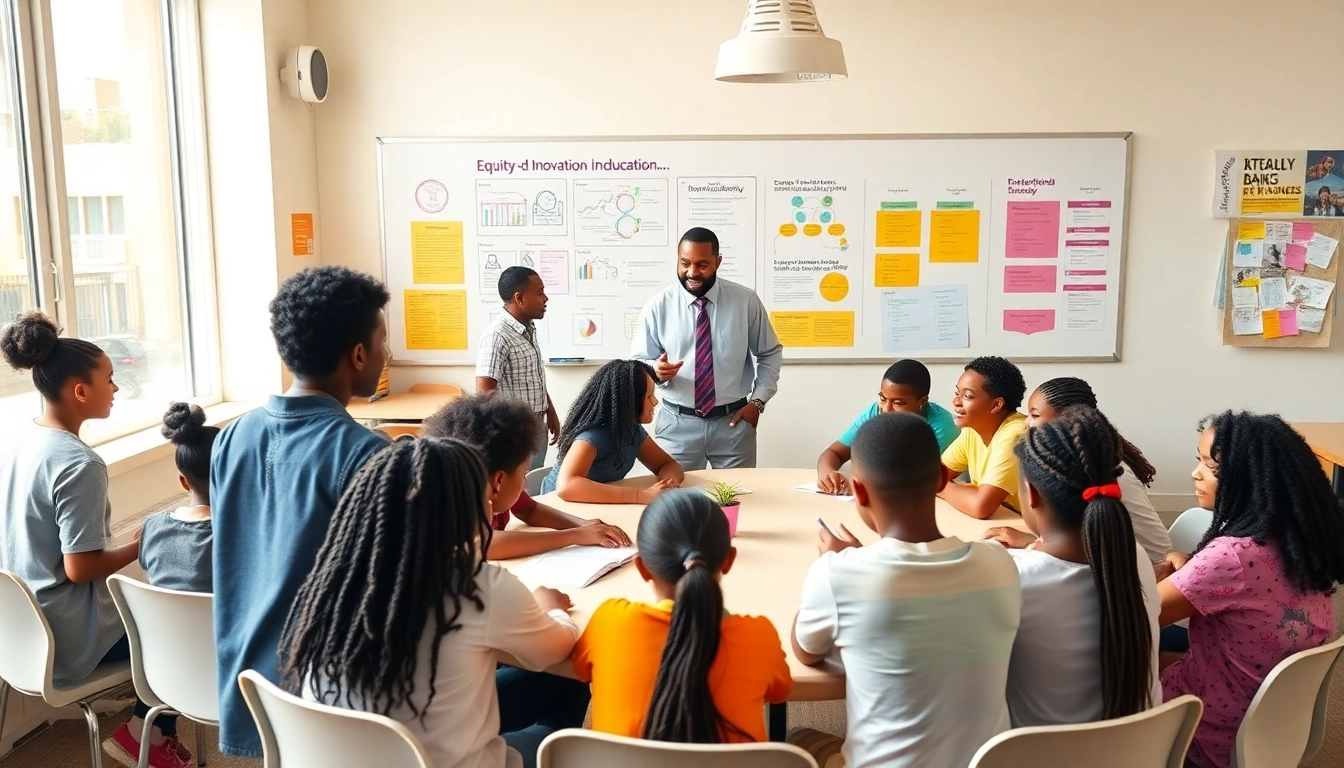
Understanding Education Equity: A Foundation for Reform
Education equity is an essential pillar of a just society, providing every individual with the opportunity to thrive regardless of their background. Dr. Matthew Lynch emphasizes that educational equity is not merely an ideal but a necessary framework for reforming our education systems to ensure freedom, equality, and justice for all learners. When exploring options, education becomes a powerful tool and a movement advocating for change. In this article, we will delve into the nuances of education equity, the importance of inclusive learning environments, and the challenges faced in achieving this goal.
Defining Education Equity in Today’s Context
Education equity refers to the principle of ensuring that all students have access to the resources, opportunities, and support they need to reach their full potential. This includes recognizing the diverse backgrounds and experiences of students, particularly those from marginalized communities. In today’s context, education equity goes beyond equal distribution of resources; it requires a nuanced understanding of societal disparities and the barriers that hinder access to quality education.
Equity in education demands responsiveness to individual needs, acknowledging that students’ circumstances, such as socioeconomic status, race, and disability, significantly influence their educational outcomes. As such, policymakers and educators must advocate for approaches that account for these variables to create an equitable educational landscape.
The Importance of Inclusive Learning Environments
Creating inclusive learning environments is fundamental to achieving education equity. Inclusive classrooms promote a sense of belonging among students, regardless of their abilities or backgrounds. Research shows that when students feel included, they are more likely to engage and excel academically.
Moreover, inclusive education fosters empathy and respect among peers, preparing students to thrive in diverse societies. Educators play a crucial role in cultivating such environments by employing differentiated instruction strategies, utilizing culturally relevant pedagogy, and fostering open communication.
Challenges to Achieving Educational Equity
Despite the growing recognition of the importance of educational equity, numerous challenges persist. Funding disparities between schools in affluent and under-resourced areas remain significant barriers. Schools located in low-income neighborhoods often lack adequate facilities, experienced teachers, and learning materials, leading to a cycle of disadvantage.
Moreover, systemic issues such as policy misalignments and societal biases further complicate efforts to achieve equity. For instance, standardized testing methods may inadvertently favor certain groups while disadvantaging others, perpetuating existing inequalities. Addressing these challenges requires a concerted effort from stakeholders at all levels, including educators, policymakers, and community organizations.
Innovative Approaches to Education Reform
As the landscape of education evolves, innovative approaches to education reform are essential to address contemporary challenges. This section will explore new teaching methodologies, the role of technology in modern education, and successful education reform initiatives that exemplify effective change.
Exploring New Teaching Methodologies
In the quest for equity, educational reform must encompass innovative teaching methodologies that engage diverse learners. Project-based learning (PBL) has emerged as an effective approach, allowing students to explore real-world problems collaboratively. This method nurtures critical thinking, creativity, and collaboration—skills imperative for success in the 21st century.
Additionally, culturally responsive teaching recognizes the importance of students’ cultural backgrounds in shaping their learning experiences. By integrating diverse perspectives into the curriculum and instructional practices, educators can create more relatable and meaningful learning opportunities for all students.
The Role of Technology in Modern Education
Technology plays a pivotal role in modern education, offering tools that enhance learning and accessibility. Online platforms, digital resources, and educational applications have the potential to bridge gaps in traditional education systems. For instance, adaptive learning technologies can adjust instructional content to meet individual student needs, allowing for personalized learning experiences.
Furthermore, technology enables greater access to educational resources, particularly for students in remote or underserved areas. By leveraging technology, educators can expand their reach and provide opportunities that were previously inaccessible, thereby promoting educational equity.
Case Studies: Successful Education Reform Initiatives
Examining successful education reform initiatives can provide valuable insights into effective strategies for promoting equity. Programs such as the “Say Yes to Education” initiative support students from low-income backgrounds by providing comprehensive resources, including tutoring, mentoring, and scholarships. This multi-faceted approach has demonstrated significant improvements in graduation rates and college enrollment.
Another noteworthy example is the “Community Schools” model, which integrates educational services with health and social services to address barriers to learning. By fostering partnerships with local organizations, these schools create a holistic support system that enhances both academic success and overall well-being.
Empowering Educators to Drive Change
Educators are at the forefront of the movement for education reform and equity. Empowering them through professional development and collaboration is vital for driving meaningful change. This section discusses ongoing learning opportunities for educators, collaborative teaching models, and resources that can support their efforts.
Professional Development and Lifelong Learning
Continuous professional development is essential for educators to stay updated on best practices and emerging trends in education. Workshops, conferences, and online courses can provide valuable insights and skills necessary to foster inclusive classrooms. Furthermore, fostering a culture of lifelong learning among educators encourages them to reflect on their practices and adapt to the changing educational landscape.
Collaborative Teaching Models and Their Impact
Collaborative teaching models, such as co-teaching and peer mentoring, create opportunities for educators to share expertise and support one another in their practice. These models not only enhance instructional quality but also promote a sense of community among educators, ultimately benefiting students.
Research indicates that schools implementing collaborative practices often experience improvements in teacher morale and student achievement. By breaking down silos, educators can work collectively to address challenges and implement innovative solutions.
Accessing Resources for Educators
Bulk resource availability is crucial for educators striving to create equitable learning environments. Organizations and platforms that offer lesson plans, teaching materials, and professional development resources can significantly support educators’ work. Additionally, mentorship and networking opportunities can connect educators with experienced professionals who can guide them in their reform efforts.
Supporting Students: Equity in Practice
To transform the vision of educational equity into reality, it is imperative to implement strategies that support students directly. This section focuses on differentiated instruction strategies, addressing diverse learning needs, and creating support systems for all students.
Differentiated Instruction Strategies
Differentiated instruction is an essential approach for meeting the diverse needs of students in the classroom. Educators can tailor their teaching methods, materials, and assessments to accommodate varied learning styles and preferences. This adaptability fosters an inclusive environment where every student feels valued and supported.
Effective differentiated instruction may involve flexible grouping, individualized learning paths, and varied assessment methods to ensure that all students can engage meaningfully with the content.
Addressing Diverse Learning Needs
Understanding and addressing diverse learning needs is paramount in achieving educational equity. Students with disabilities, English language learners, and those from varying cultural backgrounds require tailored support to thrive academically. Professional development focused on culturally responsive and inclusive pedagogies can equip educators to meet these diverse needs effectively.
Moreover, involving families and communities in the education process can enhance support for students. By fostering partnerships with parents and community organizations, schools can create a comprehensive support system that addresses barriers to learning.
Creating Support Systems for All Students
Establishing robust support systems within schools is critical for promoting educational equity. These systems can include counseling services, academic intervention programs, and social-emotional learning initiatives. By prioritizing the holistic well-being of students, schools can create environments conducive to learning and personal growth.
Peer mentoring programs also play a significant role in providing support, enabling students to connect with one another and build a sense of community. By fostering relationships among students, schools can help combat isolation and promote resilience.
Future Trends in Education: Preparing for 2026 and Beyond
As we look towards 2026 and beyond, several trends are emerging that could significantly shape the future of education. This section discusses emerging educational technologies, the evolving role of educators, and anticipated changes in educational policy and funding.
Emerging Educational Technologies
Technological advancements will continue to transform education, with innovations such as artificial intelligence, virtual reality, and personalized learning platforms taking center stage. These technologies provide new ways to engage students and facilitate learning, making education more accessible and tailored to individual learners’ needs.
For instance, AI-driven platforms can analyze student performance data to recommend personalized learning paths, while virtual reality can offer immersive experiences that deepen understanding and engagement with complex subjects.
The Evolving Role of Educators in a Digital World
The role of educators is evolving alongside these technological advancements. Teachers are no longer just knowledge transmitters; they are facilitators of learning, guides in navigating digital landscapes, and advocates for student well-being. Professional development must adapt to ensure educators are equipped with the skills and knowledge necessary to thrive in this digital age.
Furthermore, fostering digital literacy among students is imperative. Educators must prepare students not only to consume information but also to critically evaluate sources and responsibly engage in digital spaces.
Forecasting Changes in Educational Policy and Funding
As educational needs evolve, so too must educational policies and funding models. An emphasis on equity in educational policy will require a reallocation of resources to ensure that all students have access to high-quality education. Policymakers must prioritize funding initiatives that support underserved communities and innovative educational programs.
Additionally, the integration of community voices in policy discussions will be crucial for ensuring that reforms are responsive to the needs of all stakeholders in the education ecosystem.