
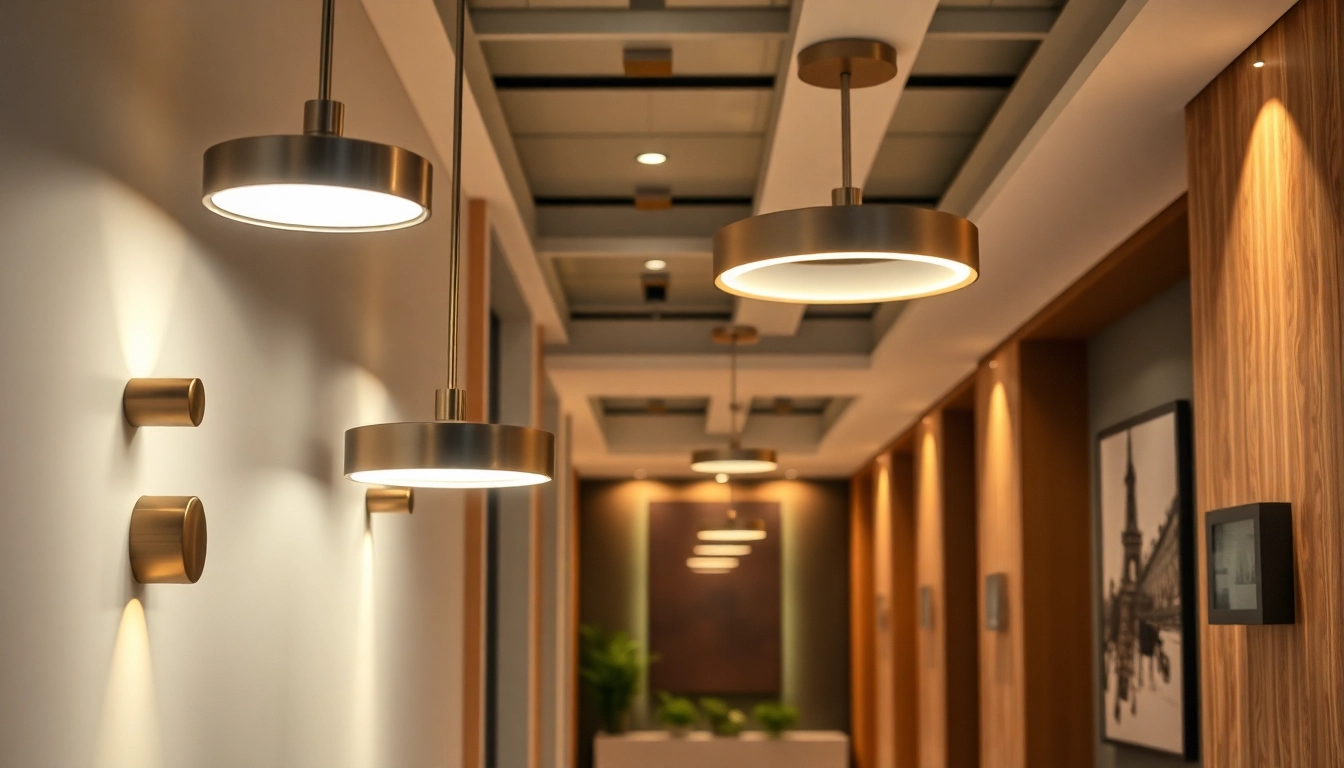
Understanding Hallway Lighting Fixtures
What Are Hallway Lighting Fixtures?
Hallway lighting fixtures are designed to illuminate corridors, staircases, and other narrow spaces within a home or commercial building. Unlike general ambient lighting, which may serve larger areas, hallway lighting is typically focused to enhance visibility and safety while providing aesthetic value and guiding individuals through the space. These fixtures can range from wall-mounted sconces and flush mounts to pendant lights and track lighting.
Properly selected hallway lighting fixtures can significantly influence not only the accessibility of your hallways but also the overall mood and atmosphere of the environment.
Importance of Hallway Lighting
Hallways serve as critical transition spaces in our homes and workplaces. Without proper lighting, these areas can feel unwelcoming and even unsafe. Adequate hallway lighting is essential for multiple reasons:
- Safety: Well-lit hallways help prevent accidents, reducing the risk of falls or collisions.
- Accessibility: Good lighting is particularly important for guests, children, and older adults who may struggle in dimly lit areas.
- Style: Hallway lighting can be a design feature, enhancing the overall decor and feel of your home.
- Navigation: Properly placed lights can guide people through a space, making navigation intuitive.
Types of Hallway Lighting Fixtures
When selecting fixtures for your hallway, consider the type and style that best fits your needs:
- Recessed Lighting: Installed into the ceiling, recessed lights provide a clean look while offering broad illumination.
- Wall Sconces: These fixtures mount directly to the wall and can offer both ambient and accent lighting.
- Flush Mounts: Close to the ceiling, flush mounts are ideal for low ceilings and can provide ample light without taking up space.
- Pendants: Hanging from the ceiling, pendant lights can serve as statement pieces while also providing layered lighting.
- Track Lighting: Flexibly adjustable, track lights allow you to direct light where it’s needed most.
Choosing the Right Fixtures for Your Hallway
Factors to Consider When Selecting
Selecting the right fixtures involves several key considerations:
- Size of the Hallway: For narrow hallways, smaller sconces or flush mounts may be more appropriate, while wider spaces can accommodate larger fixtures.
- Ceiling Height: High ceilings may benefit from pendant or chandelier lighting to draw the eye upward.
- Foot Traffic: In high-traffic areas, durable fixtures that can withstand occasional impacts are essential.
- Existing Décor: Your fixtures should complement the style of your home, whether modern, traditional, or eclectic.
Design Styles and Aesthetics
The design of hallway lighting fixtures can dramatically affect the mood of the space:
- Contemporary: Sleek lines and minimalistic designs often characterize contemporary styles, incorporating materials like metal and glass.
- Traditional: Classic fixtures often feature ornate designs, heavy materials, and warm finishes that evoke a sense of timelessness.
- Industrial: Industrial designs can add an edgy vibe with raw materials like exposed bulbs, steel, and distressed wood.
- Rustic: Fixtures with natural finishes and textures can create a warm, inviting atmosphere.
Lighting Technology Options
Modern hallway lighting fixtures can offer various lighting technologies, including:
- Incandescent: Provides warm light but is less energy-efficient and has a shorter lifespan.
- LED: Highly energy-efficient with long lifespans, LEDs come in various color temperatures and styles.
- CFL: Compact Fluorescent Lamps offer energy-saving solutions with varied color temperatures but can be less visually appealing than LEDs.
- Smart Lighting: With advancements in smart technology, you can connect your fixtures to home automation systems, allowing for dimming, color changes, and remote control.
Installation Best Practices for Hallway Lighting Fixtures
DIY vs. Professional Installation
Determining whether to install hallway lighting fixtures yourself or hire a professional largely depends on your comfort level with electrical work and the complexity of the installation:
- DIY: Simple fixtures like wall sconces and flush mounts are often suitable for homeowners to install, assuming safety precautions are followed.
- Professional Installation: Hiring an electrician is advisable for complex fixtures, extensive rewiring, or if local building codes apply.
Key Installation Steps
If you choose to install fixtures yourself, follow these steps:
- Turn off power to the area at the circuit breaker.
- Remove old fixtures, and prepare the electrical box.
- Connect wires: typically, black (hot), white (neutral), and green or copper (ground).
- Attach the fixture securely to the electrical box.
- Turn the power back on to test the installation.
Safety Tips and Tricks
Safety during installation is crucial, so keep these practices in mind:
- Always ensure the power is off before beginning any work.
- Use insulated tools to avoid electrical shocks.
- If in doubt, consult an electrician to ensure safe and code-compliant installations.
Enhancing Ambiance with Hallway Lighting
Layering Light Techniques
Creating an inviting atmosphere in a hallway often involves layering lighting:
- Ambient Light: This serves as the primary source of illumination, typically from overhead fixtures.
- Task Lighting: Designed for specific functions, such as reading or working in adjacent rooms, this may include strategically placed sconces or table lamps.
- Accent Lighting: Highlight artwork, architectural details, or plants using focused light sources.
Color Temperature and Mood Setting
The color temperature of your bulbs can greatly affect how a hallway feels:
- Warm White (2700K-3000K): Creates a cozy, inviting feel, recommended for residential spaces.
- Cool White (3500K-4100K): Produces a more energizing and vibrant feel, suitable for modern spaces.
- Bright White (5000K+): Offers a crisp look, often used in offices or utility areas.
Combining Fixtures for Maximum Effect
A well-designed hallway might incorporate multiple types of fixtures for maximum effect:
- Use recessed lighting for general illumination, complemented by wall sconces for added ambiance.
- Pendants can serve as statement pieces while still providing necessary light.
- Ensure that local light levels support visibility while maintaining visual interest.
Maintaining and Upgrading Hallway Lighting Fixtures
Routine Maintenance Tips
Regular maintenance can prolong the lifespan and efficiency of your fixtures:
- Dust fixtures quarterly to prevent dirt buildup.
- Check for burned-out bulbs and replace them promptly.
- Inspect wiring and connections for any signs of wear or damage.
When to Replace or Upgrade Fixtures
It’s essential to consider updating your fixtures if:
- They frequently flicker or fail to illuminate.
- Styles look outdated compared to your current décor.
- Energy costs are rising because of inefficient technologies.
Trends in Hallway Lighting Design
Current trends in hallway lighting design reflect a blend of functionality and style:
- Natural Materials: Using organic textures like wood or stone for fixtures.
- Smart Technology: Integration of IoT lighting solutions for custom control.
- Sculptural Designs: Bold, artistic shapes have become increasingly popular in hallway lighting.
FAQs About Hallway Lighting Fixtures
1. What type of lighting is best for hallways?
Recessed lighting combined with sconces or flush mounts is often ideal, as they provide both general and accent light without overwhelming the space.
2. How bright should hallway lighting be?
A good rule of thumb is 100-200 lumens per square foot, ensuring safety while creating a welcoming atmosphere.
3. Can I use a dimmer switch with LED fixtures?
Yes! Many modern LED fixtures are compatible with dimmer switches, allowing for adjustable brightness.
4. How often should I replace hallway light bulbs?
Replace bulbs when they begin to flicker or fail. LED bulbs can last up to 25,000 hours, while incandescent bulbs may need replacement every 1,000 hours.
5. Are wall sconces practical for hallways?
Absolutely! Wall sconces provide excellent ambient light and can enhance the hall’s aesthetic while saving floor space.