
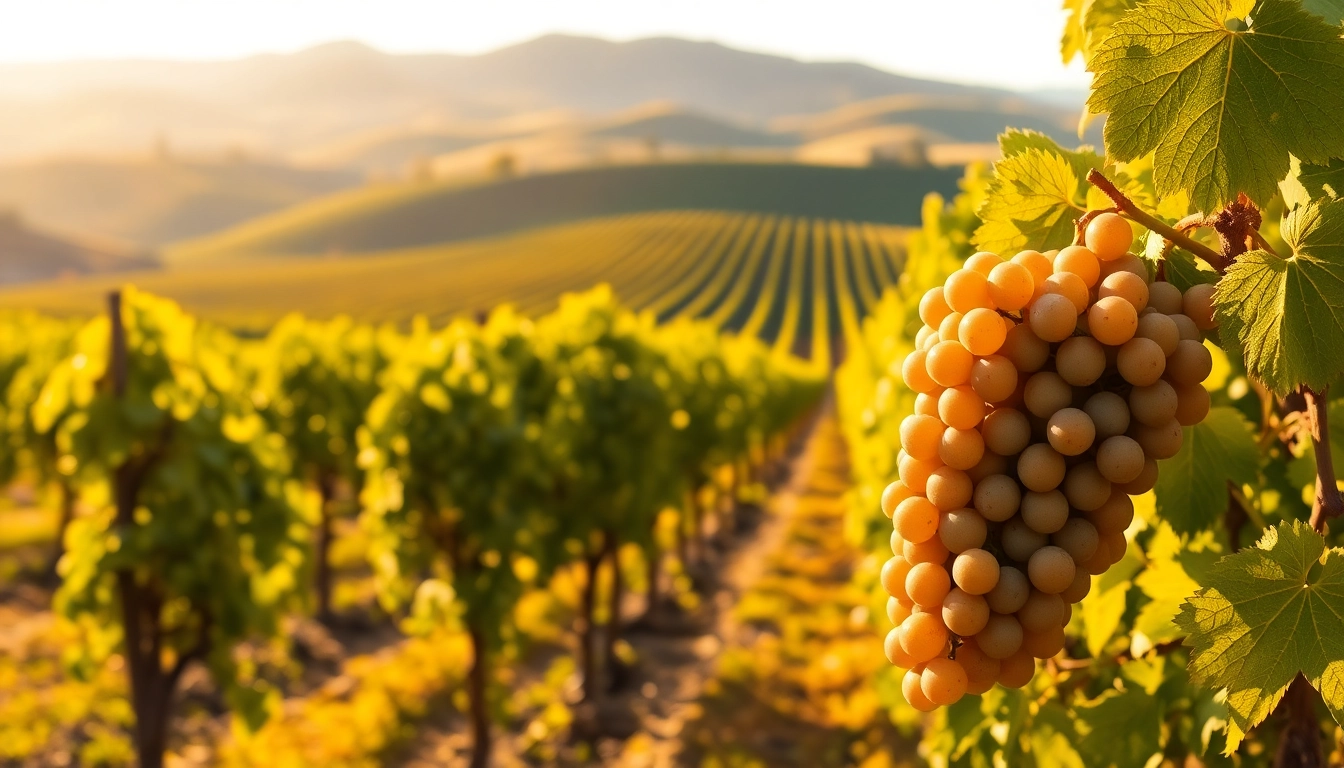
Understanding Northern California Wine Country
The enchanting landscape of northern california wine country is synonymous with exceptional wines, stunning vineyards, and an immersive cultural experience. This region is not only prestigious for its acclaimed varietals but also for its unique history and geographic diversity. Here, we delve into the foundational elements that shape this world-renowned wine-producing area, guiding you through its past, present, and future.
A Brief History of Wine Production
The roots of wine production in Northern California trace back to the late 1700s with the arrival of Spanish missionaries. They introduced viticulture for religious purposes, inadvertently laying the groundwork for a burgeoning industry. However, it wasn’t until the 19th century that wine became a significant part of California’s economy.
The Gold Rush of 1849 brought an influx of fortune seekers and settlers craving indulgence, which increased the demand for wine. Notable figures like Jacob Schram and Agoston Haraszthy pioneered the industry by establishing vineyards and wineries. Their efforts were instrumental in developing new varietals that could thrive in California’s climate. The early establishment of the California Wine Association in the late 1800s further propelled the recognition of the region’s wines.
With the devastation of Prohibition in the 1920s, many wineries ceased operations, but the resilient few adapted by diversifying into other agricultural products. The rebirth of the wine industry gained momentum during the 1960s with the advent of modern winemaking techniques, culminating in the now-famous judgement of Paris in 1976 when Napa Valley wines gained international acclaim. Today, Northern California stands as a symbol of excellence in oenology, producing over 90% of California’s wine.
Key Wine Varietals in Northern California
Northern California is celebrated for its diverse range of wine varietals, each shaped by the region’s unique terroir. Cabernet Sauvignon, often dubbed the king of reds, thrives in Napa Valley with its rich flavors and full body. The area also excels in producing Merlot, Pinot Noir, and Zinfandel, showcasing various styles that cater to all palates.
Chardonnay represents the flagship white varietal, found in both Napa and Sonoma counties, often exhibiting a balance of oak and fruitiness. Sauvignon Blanc is another notable white, celebrated for its zesty acidity and aromatic profile. The region has also become a haven for lesser-known varietals like Grenache and Viognier, expanding the wine drinkers’ horizons.
Furthermore, Northern California is home to innovative winemakers who experiment with blends and new varietals, fostering an evolving wine culture that reflects both tradition and modernity.
The Geographic Diversity of Vineyards
The geographic diversity of Northern California Wine Country is truly remarkable, encompassing a range of microclimates, elevations, and soils that contribute to the signature profiles of the wines produced here. The coastal influence from the Pacific Ocean introduces fog, which moderates temperatures in regions like Sonoma County, allowing for longer growing seasons and balanced acidity in grapes.
In contrast, Napa Valley showcases a variety of elevations from the valley floor to the mountainous regions. The different soil types, ranging from volcanic to alluvial, influence the grape’s character and quality. This diversity is crucial; it allows winemakers to cultivate distinct varietals that express the essence of their surroundings.
As we explore beyond Napa and Sonoma, regions like Mendocino and the Sierra Foothills offer unique viticultural experiences. Mendocino is celebrated for its organic and sustainable practices, while the Sierra Foothills provide a historic backdrop, known for producing remarkable Zinfandel and Rhone varietals. Each vineyard tells a story woven into the fabric of this vibrant wine country.
Best Regions to Visit in Northern California Wine Country
Exploring Napa Valley’s Rich Heritage
Napa Valley is arguably the most iconic destination in Northern California Wine Country, famous for its picturesque landscapes and top-tier wineries. The valley is approximately 30 miles long, dotted with charming towns like St. Helena and Yountville, each offering unique experiences and exquisite dining options.
Visitors can explore over 400 wineries across this region, from massive estates producing award-winning wines to intimate family-run operations. Notable wineries such as Robert Mondavi, Beringer, and Opus One epitomize Napa’s commitment to quality and craftsmanship.
The Napa Valley Vintners Association hosts events like “Napa Valley Wine Auction,” which connects wine enthusiasts with the region’s best, raising money for healthcare and education initiatives. The preservation of Napa’s agricultural land and commitment to sustainability enhances its appeal as a destination dedicated to responsible winemaking.
Sonoma County’s Unique Terroir
Adjacent to Napa Valley, Sonoma County offers a more laid-back approach to wine tasting, embodying a spirit of hospitality and creativity. This diverse landscape features coastal areas, rolling hills, and rugged mountain terrain, giving rise to a variety of wine styles and unique grape varietals.
Home to renowned appellations like Russian River Valley and Dry Creek Valley, Sonoma excels in producing Pinot Noir and Zinfandel. The impact of the ocean brings cooler climates that enhance the fruity characteristics of these wines. Visitors can enjoy intimate tastings at family-owned wineries, such as Ridge Vineyards and Kosta Browne, where they prioritize small-batch craftsmanship.
Sonoma County is also known for its culinary scene, boasting artisan cheese makers, farm-to-table restaurants, and vibrant farmers’ markets that elevate the wine tasting experience. The annual Sonoma County Harvest Fair celebrates the local produce and wines, further enriching the region’s diverse offerings.
Hidden Gems: Lesser-Known Wine Regions
While Napa and Sonoma often steal the spotlight, Northern California is home to numerous hidden gems worth exploring. The Mendocino County boasts organic and eco-friendly vineyards, often presenting wines at lower price points without sacrificing quality. Notable wineries include Navarro Vineyards, known for its Alsatian varietals.
Further inland, the Sierra Foothills, part of the historic Gold Rush territory, offer compelling tasting experiences with its signature Zinfandel and Rhône blends. The landscape is punctuated by charming old mining towns like Murphys and Amador City that provide a glimpse into California’s past while offering wine enthusiasts an authentic experience.
Lake County, known for its volcanic soils and stunning landscapes surrounding Clear Lake, is emerging as a noteworthy wine region with wineries like Shannon Ridge and Langtry Estate. Visitors can enjoy pristine nature alongside exceptional wine discoveries.
Planning Your Visit to Northern California Wine Country
Essential Tips for First-Time Visitors
Planning a trip to Northern California Wine Country can be thrilling yet overwhelming, especially for first-time visitors. Start by researching and listing down wineries that align with your personal preferences for varietals and experiences. Consider booking tastings in advance, as popular wineries often fill up quickly on weekends.
Driving through wine country can also enhance your experience. Renting a car or hiring a private driver allows you to enjoy the scenic routes without worries about transportation. Be sure to follow wine tasting etiquette; familiarize yourself with the proper way to taste wine and engage with staff. And of course, practice moderation during tastings!
Seasonal Events and Wine Festivals
Throughout the year, Northern California is vibrant with seasonal events and wine festivals celebrating the region’s rich culture and excellence in winemaking. The Napa Valley Wine Auction typically occurs every summer, combining charity with wine tasting, where guests can bid on exclusive wines and experiences.
Harvest season in the fall is particularly exciting, marked by numerous festivities celebrating grape picking and wine production. Sonoma County’s “Sonoma County Harvest Fair” showcases local produce, wines, and artisanal foods, attracting thousands of visitors each year.
Additionally, many wineries host special events, concerts, and educational tastings. Checking winery calendars ahead of your visit ensures you don’t miss out on unique experiences that enhance your trip.
Accommodations and Dining Options
Northern California Wine Country is home to diverse accommodations ranging from luxury resorts to cozy bed-and-breakfasts, catering to every visitor’s needs. Popular options include upscale hotels such as Auberge du Soleil in Napa and Levi’s Wine Country Inn in Sonoma, both providing unique amenities and stunning vineyard views.
The dining scene is equally impressive, offering everything from casual eateries to Michelin-starred restaurants. Farm-to-table dining is a hallmark in this region, with establishments like The French Laundry delivering exquisite tasting menus that highlight local ingredients and pair perfectly with regional wines.
Guests can also explore food and wine pairing experiences at various wineries, where chefs craft menus that harmonize with their best wines, offering a sensory adventure that captivates all diners.
Wine Tasting Experiences in Northern California Wine Country
Types of Wine Tastings Available
Wine tastings in Northern California are as varied as the wines themselves, offering experiences ranging from traditional sit-down tastings to immersive vineyard tours. Many wineries offer standard tasting flights, where visitors sample several wines in a cozy tasting room setting.
For those seeking a deeper connection with the winemaking process, numerous wineries provide vineyard tours, allowing guests to witness harvesting, crushing, and barrel aging first-hand. Educational seminars and vertical tastings featuring different vintages of the same wine are also popular, giving participants insight into how the wine evolves over time.
Themed tastings, such as “Wine and Chocolate,” provide unique pairings that surprise and delight the palate, creating memorable experiences that exceed expectations.
Private Tours vs. Group Tastings
When it comes to wine tastings, guests often face the choice between private tours and group tastings. Private tours provide a personalized experience, allowing participants to delve into specific topics, ask questions directly, and enjoy a relaxed atmosphere without distractions from larger groups.
On the other hand, group tastings can be more economical and offer the opportunity to meet fellow wine enthusiasts. The lively environment often enhances the enjoyment of tasting and discovering new wines together. Ultimately, the choice depends on personal preference, group size, and goals for the visit.
Food Pairing Adventures with Local Cuisine
Food and wine pairing is an art form celebrated across Northern California Wine Country, enabling guests to explore flavors in an interactive setting. Many wineries integrate local cuisine into their tastings, offering charcuterie boards designed to complement specific wines or multi-course meals paired meticulously with different varietals.
Culinary experiences can range from hands-on cooking classes to wine and food pairing dinners, engaging visitors in the process of creating delicious culinary delights alongside their wine selections. This immersive approach illustrates the connection between the region’s agriculture and wine, placing emphasis on local ingredients and seasonal menus.
FAQs About Northern California Wine Country
What is the best time to visit Northern California Wine Country?
The best time to visit is during the fall harvest months (September to November) for picturesque landscapes and lively wine festivals. Spring, especially from March to May, also offers beautiful scenery and fewer crowds.
Are there family-friendly activities in the wine country?
Yes, many wineries offer family-friendly experiences, including tours, picnics, and garden spaces. Some areas also feature hiking trails and parks, making it enjoyable for all family members.
What types of wines are most popular in this region?
Cabernet Sauvignon and Chardonnay are the most famous, followed closely by Merlot and Zinfandel. However, the diversity of microclimates means many unique varietals are worthy of exploration.
Can I bring my pet to wine tastings?
Many wineries welcome pets in outdoor areas, but it’s best to check individual winery policies before visiting. Some even offer special dog-friendly events or accommodations.
How should I prepare for a wine tour?
To prepare, plan your itinerary, including winery visits and tasting appointments. Dress comfortably, stay hydrated, and remember to pace yourself during tastings to fully enjoy the experience.