
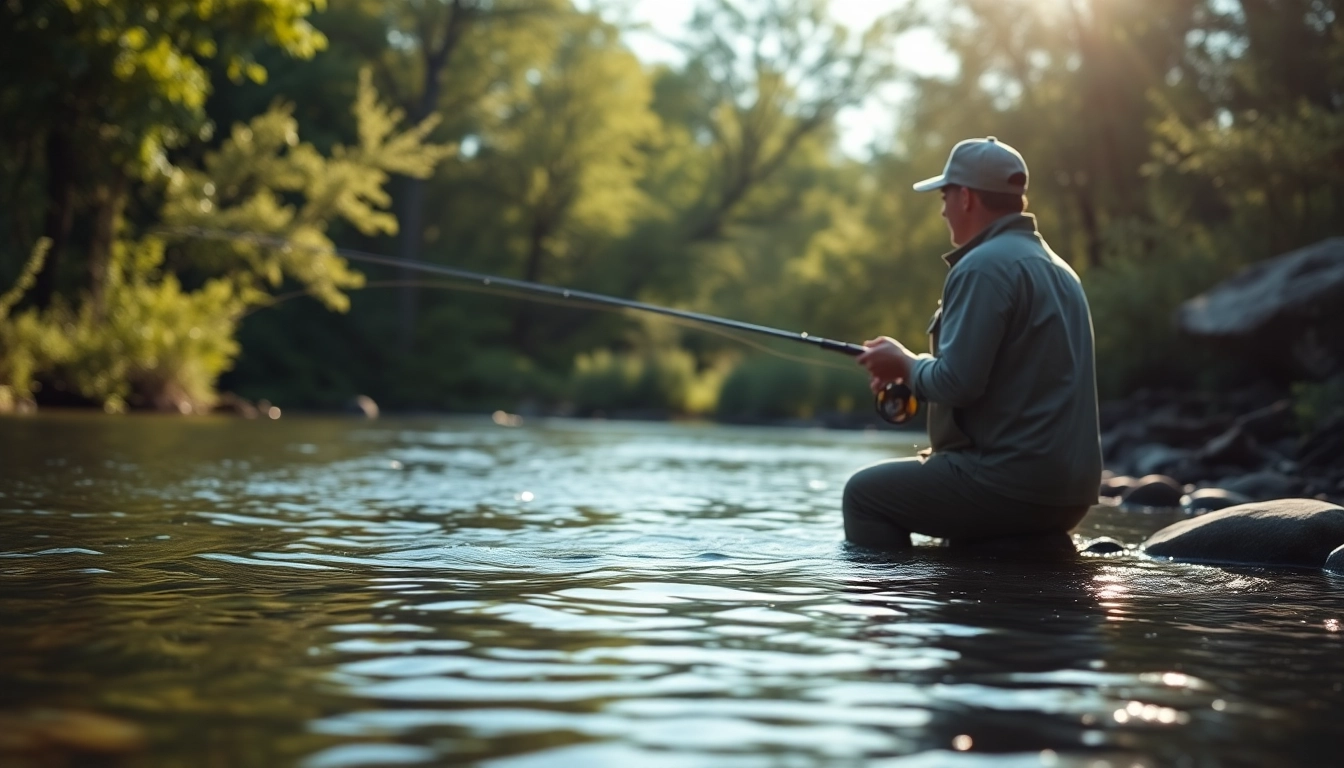
Getting Started with Fly Fishing for Beginners
Fly fishing offers a unique blend of skill and artistry, making it an enjoyable pursuit for beginners looking to connect with nature. Understanding the fundamentals is essential to achieving success on the water. If you’re eager to dive into this captivating sport, beginning with the basics can set you up for a rewarding experience. This comprehensive guide to fly fishing for beginners covers everything from essential gear and locations to techniques and ethics.
Understanding Fly Fishing Basics
At its core, fly fishing is about using an artificial fly to lure fish. Unlike traditional bait fishing, where a weighted lure is dropped into the water, fly fishing employs a lightweight artificial fly that floats on the surface. This method requires unique techniques, including different casting methods and equipment considerations.
The concept of fly fishing revolves around the presentation of the fly. Factors such as water current, fly size, and color all play significant roles in attracting fish. Understanding these elements is critical for any beginner aiming to excel in the sport.
Essential Equipment for New Anglers
As a beginner, having the right equipment can greatly enhance your fly fishing experience. Here’s what you need:
- Fly Rod: Choose a rod that suits your fishing environment, generally ranging from 8 to 9 feet for freshwater fishing.
- Reel: A quality, lightweight reel with a smooth drag system is crucial.
- Fly Line: Select a line based on the weight of your rod; weight-forward lines are popular for beginners.
- Leaders and Tippet: These are important for transferring the fly’s presentation to the line.
- Flies: Start with an assortment of dry flies, nymphs, and streamers to cover various scenarios.
When purchasing gear, consider visiting a local fly shop for guidance tailored to your needs and local conditions.
Choosing the Right Location
Selecting a fishing location is pivotal for beginners. Look for places with abundant fish populations, such as lakes, rivers, and streams. Pay attention to:
- Accessibility: Choose spots that are easily reachable, ideally with public access.
- Species: Find out what species are prevalent in your chosen location, focusing on those popular with fly fishers, like trout and bass.
- Water Conditions: Research the seasonal variations in water levels and temperatures, which can greatly affect fish behavior.
Don’t hesitate to engage with local fishing communities or guides to discover hidden gems suitable for beginners.
Fly Fishing Techniques for Beginners
Casting Methods Explained
Mastering casting techniques is crucial for effective fly fishing. Beginners often start with two primary methods:
- Overhead Cast: The most standard technique, it involves lifting the rod above your head and swinging it back, then forward to place the fly delicately on the water’s surface.
- Roll Cast: Useful in tight spaces, this method draws the line back and rolls it forward in one smooth motion, allowing for increased control.
Practicing casting on land before heading out on water can be beneficial, helping you gain confidence and accuracy.
Reading Water and Fish Behavior
Understanding how to read water is a vital skill for any fly fisher. Look for features such as:
- Structure: Boulders, fallen trees, and aquatic vegetation are places where fish often hide.
- Riffles: Fast-moving water typically indicates oxygen-rich environments where fish are actively feeding.
- Holes and Pools: Deeper water often attracts larger fish, especially during hot weather.
Observing these features will help you strategize where and when to cast your line, ultimately improving your catch rates.
Knot Tying: A Beginner’s Guide
Knot tying is an essential skill in fly fishing. Knowing how to properly tie knots can make a significant difference in your success rate. Some fundamental knots to learn include:
- Standard Knot (for attaching flies): This simple knot is easy to learn and provides a secure hold.
- Double Surgeon’s Knot: Ideal for connecting tippet to leader, offering a strong bond.
- Loop Knot: Useful for giving flies more action and preventing them from spinning.
Practice these knots at home so you can efficiently tie them while out on the water.
Best Flies for Fly Fishing for Beginners
Types of Flies and Their Uses
Choosing the right fly can significantly affect your fishing experience. Here are the main types of flies you should know:
- Dry Flies: These float on the water’s surface and mimic adult insects.
- Nymphs: Subsurface flies that represent the aquatic stage of insects, effective for catching fish near the bottom.
- Streamers: Larger flies that imitate small fish or aquatic creatures.
Understanding when and why to use these different flies can enhance your success while fishing.
Matching Fly Patterns to Conditions
Different fishing conditions require specific fly patterns. Here are a few considerations:
- Time of Day: Early morning or late evening can favor certain hatch patterns, influencing your fly choice.
- Water Type: Fast versus slow-moving water can dictate whether to use floating or sinking flies.
- Weather Conditions: Overcast days may prompt fish to venture into shallower waters.
Always take the time to observe your surroundings and adapt your strategies accordingly.
Seasonal Considerations
Seasonal changes affect fish behavior and their feeding patterns. During warmer months, fish tend to be more active and may be found closer to the surface. Conversely, in colder months, fish often swim deeper. Understanding these patterns can help you effectively plan your trips, select appropriate flies, and optimize your casting techniques.
Safety and Ethics in Fly Fishing
Practicing Catch and Release
Practicing catch and release is vital for maintaining sustainable fish populations. Ensure that you handle fish gently and return them to the water quickly. Employ barbless hooks if possible, and support the fish by holding it under its belly when resuming it to the water. This practice not only conserves fish stocks but also enhances the fishing experience for everyone.
Respecting the Environment
Fly fishers should be stewards of the environment. Always adhere to the “Leave No Trace” principles, ensuring you remove litter, avoid disturbing wildlife, and respect local regulations. Being mindful of your surroundings affirms your commitment to preserving the beauty of nature for future generations.
Safety Tips for Beginners
Safety should always be a priority when engaging in any outdoor activity, including fly fishing. Here are some essential safety tips:
- Wear a life jacket: Especially when fishing in larger bodies of water, a life jacket can save your life.
- Check weather conditions: Be aware of changing weather, especially thunderstorms.
- Stay hydrated: Fishing can be physically demanding; ensure you drink plenty of water throughout the day.
By taking these precautions, you’ll ensure that your fly fishing adventures are not only enjoyable but also safe.
Frequently Asked Questions About Fly Fishing for Beginners
What is the best time of year to start fly fishing?
The best time to start fly fishing varies by location, but spring and fall often provide the ideal conditions, with active fish and pleasant weather.
Do I need a license for fly fishing?
Yes, most regions require a fishing license. Make sure to check local regulations before heading out.
How much does fly fishing equipment cost?
Initial costs can range widely, from around $200 for basic gear to $1,000 or more for high-end equipment. Aim for reliable, mid-range options as a beginner.
Can I learn fly fishing on my own?
Absolutely! Many beginners successfully learn fly fishing through online resources, books, and practice. However, consider taking a class for personalized guidance.
What is the most important skill for beginners?
While multiple skills are essential, mastering casting techniques is often the foundation for effective fly fishing.