
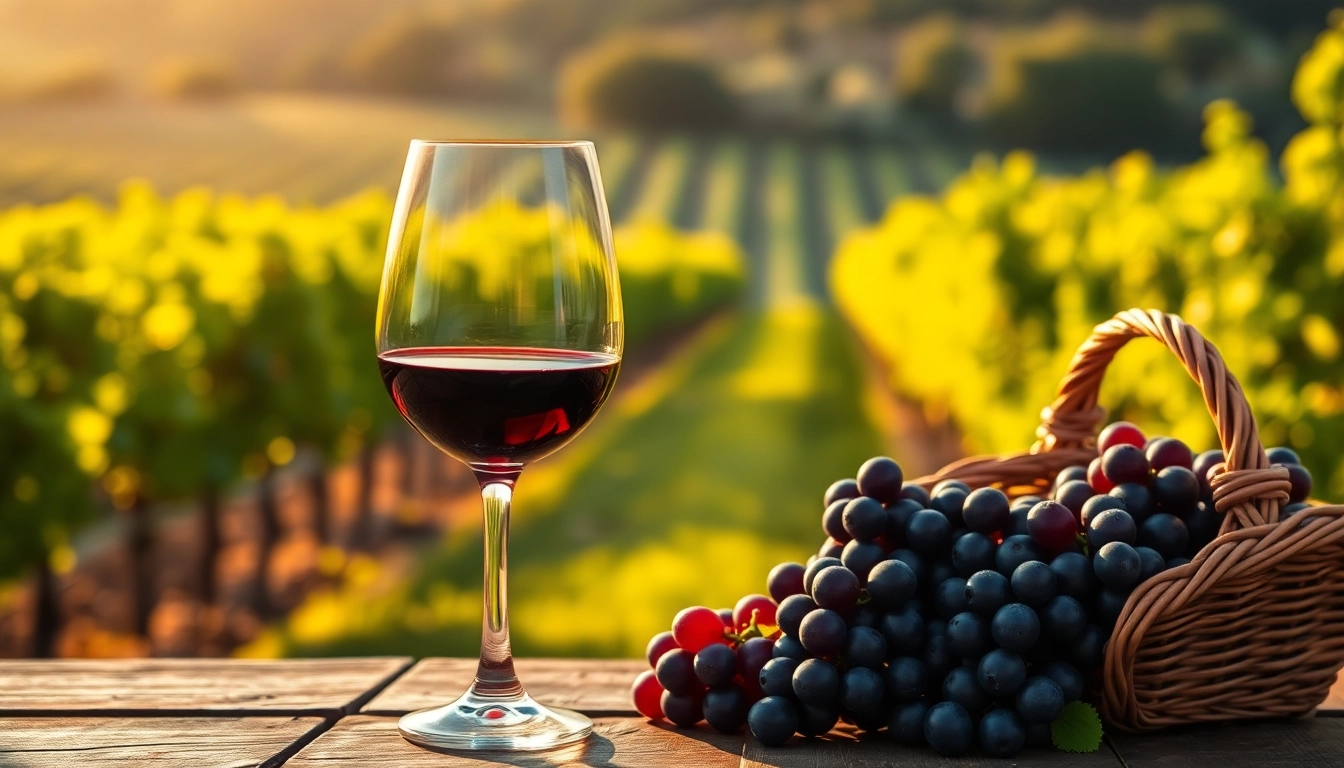
Understanding Clarksburg Wines
In the heart of California’s wine country lies a hidden gem: Clarksburg. Nestled near the Sacramento River, Clarksburg has swiftly gained a reputation for its diverse wine offerings, particularly its exquisite Clarksburg wines. With a blend of ideal climatic conditions and a rich agricultural history, this region presents unique characteristics that set its wines apart. Whether you are a seasoned connoisseur or a novice exploring your palate, Clarksburg promises an enticing journey through its vineyards.
What Makes Clarksburg Unique?
Clarksburg is often overlooked in favor of its more famous neighbors, yet it boasts distinctive qualities that make it a standout wine region. The combination of fertile soil, ideal geography, and a commitment to sustainable farming practices contribute significantly to the wine’s unique flavor profiles.
The area’s proximity to the Sacramento River creates a microclimate that allows for longer growing seasons, which helps grapes achieve optimal ripeness. Additionally, the soil is a complex mix of sand, clay, and loam, providing the vines with essential nutrients while also promoting excellent drainage.
Key Grape Varieties
Clarksburg is renowned for several grape varieties that thrive in its unique conditions. Among the most popular are:
- Chardonnay: Known for its versatility, Clarksburg Chardonnay can be creamy and rich or crisp and mineral-driven, depending on the winemaker’s approach.
- Cabernet Sauvignon: This variety often expresses bold flavors with dark fruit and spice, showcasing the terroir’s influence.
- Sauvignon Blanc: Characterized by its bright acidity and citrus notes, Clarksburg Sauvignon Blanc is often complemented by herbal and grassy undertones.
- Viognier: A lesser-known but richly aromatic white, Viognier’s floral and stone fruit characteristics make it a delightful experience.
The Climate’s Role in Wine Quality
The climate in Clarksburg reflects Mediterranean characteristics with warm days and cool nights, essential for preserving acidity in grapes. This temperature variance ensures that wines made from Clarksburg grapes retain their freshness and vibrant flavors, which are crucial for crafting high-quality wines.
Furthermore, the fog that rolls in from the nearby delta helps to moderate temperatures, preventing heat stress on the vines and allowing grapes to mature slowly. This slow maturation process is key to developing depth and complexity in the finished wines.
Popular Clarksburg Wine Producers
The vibrant wine culture in Clarksburg would not be complete without its dedicated producers. These wine artisans pour their passion and expertise into crafting wines that showcase the essence of Clarksburg’s terroir.
A Brief Overview of Leading Vineyards
Clarksburg’s vineyards range from family-owned estates to cooperative wineries, each contributing to the area’s rich tapestry of wine offerings. They adopt various practices, from traditional methods to innovative approaches, ensuring that every bottle tells the story of its origin.
Many vineyards in Clarksburg emphasize sustainable and organic practices, focusing on maintaining soil health and reducing environmental impact. This thoughtful approach not only fosters community values but also produces exceptional wines.
Innovative Wine-Making Techniques
Innovation is at the heart of Clarksburg’s wine industry. Local winemakers experiment with fermentation methods, aging techniques, and blending practices to enhance the wines’ complexity. Many producers use techniques such as barrel fermentation, malolactic fermentation, and various yeast strains to influence the final product.
This willingness to explore new methods often results in award-winning wines that showcase the spirit of Clarksburg. Winemakers are increasingly focusing on small-batch productions, ensuring quality and attention to detail.
Spotlight on Local Winemakers
The passion of Clarksburg’s winemakers shines through in the wines they produce. These individuals often act as stewards of their land, blending tradition with innovation. Many have deep roots in the community and draw inspiration from the region’s history while pushing the boundaries of modern winemaking.
Whether it’s through experimenting with lesser-known varieties or adopting eco-friendly practices, the winemakers of Clarksburg continuously contribute to elevating the reputation of Clarksburg wines on the global stage.
Wine-Tasting Experiences in Clarksburg
Visiting Clarksburg offers wine lovers an unparalleled opportunity to experience the magic of its wineries. The region offers a diversity of tasting experiences that cater to various preferences and group activities.
Finding the Best Wineries to Visit
The challenge lies in deciding which wineries to visit, given the multitude of options. Many Clarksburg wineries provide unique and immersive tasting experiences that allow visitors to engage with the winemaking process.
Some wineries offer guided tours where a knowledgeable staff member explains the history of the vineyard, the intricacies of the winemaking process, and insights into each wine being tasted.
Guided Tours vs. Independent Tastings
Choosing between guided tours and independent tastings can significantly affect your Clarksburg experience. Guided tours provide structured, informative experiences that are often accompanied by detailed tastings.
On the other hand, independent tastings allow visitors to explore at their own pace. Many vineyards provide casual yet engaging environments that encourage exploration and socializing, making for a relaxed afternoon of wine enjoyment.
Wine Festivals and Events
Clarksburg hosts several annual wine festivals and events that celebrate the region’s rich viticultural heritage. These gatherings often feature tastings from multiple local producers, along with food pairings, music, and more, cultivating a community atmosphere.
Attending these events not only enriches your knowledge of Clarksburg wines but also provides an opportunity to mingle with fellow wine lovers and the talented individuals behind the bottles.
Food Pairings with Clarksburg Wines
A superb wine experience goes beyond the glass; it should include a delightful meal to amplify the flavors in the wine. Understanding the basic principles of food and wine pairing can greatly enhance your tasting adventures.
Essential Pairing Principles
There are several foundational principles to consider when pairing food with Clarksburg wines:
- Balance: Ensure the weight and intensity of the food complement the wine. A full-bodied wine can overpower light dishes.
- Flavor matching: Seek harmony in flavors; similar or contrasting flavors can create a delightful synergy.
- Acidity: Pair wines with foods that match the acidity level; this helps to cleanse the palate and enhance both the wine and the dish.
Recommended Dishes per Wine Type
Here are some delicious pairings that align with popular Clarksburg wine varieties:
- Chardonnay: Pairs beautifully with buttery lobster, grilled salmon, or creamy risotto.
- Cabernet Sauvignon: Complements rich dishes such as beef stew, grilled lamb, or a hearty mushroom risotto.
- Sauvignon Blanc: Works well with fresh salads, goat cheese, or light seafood dishes like ceviche.
- Viognier: Pairs excellently with spicy Asian dishes, duck, or flavorful cheeses.
Cheese and Dessert Matches
Wines can also be perfectly paired with cheeses and desserts. For example:
- Chardonnay: Soft cheeses like Brie or a creamy blue cheese can enhance the richness.
- Cabernet Sauvignon: Aged cheeses like cheddar or gouda complement the wine’s tannins.
- Sauvignon Blanc: Fresh goat cheese or tangy feta make for delightful contrasts.
- Viognier: Pair with fruit-based desserts or sherbet for a refreshing finish.
Investing in Clarksburg Wines
For aficionados looking to build a wine collection, Clarksburg wines present a compelling investment opportunity. Here’s what to consider when investing in local varietals.
The Value of Collecting Local Wines
Investing in Clarksburg wines can yield significant benefits. The region is gaining recognition on the national and even global wine stage, enhancing its appeal among collectors. Many wines from Clarksburg are produced in limited quantities, making them more valuable over time as demand increases.
Furthermore, local wines often have unique stories tied to their terroir, contributing to their marketability. Wines produced by small vineyards can appreciate faster than mass-produced labels, making them attractive for investment.
Market Trends to Watch
As Clarksburg wines grow in popularity, several market trends may be emerging. Increased consumer interest in organic and sustainably produced wines often leads to higher demand, particularly for small-batch producers who adhere to these practices.
Additionally, trends in dining experiences, such as wine-pairing dinners, may also drive sales as consumers seek quality local offerings that enhance their culinary experiences.
Preservation Tips for Collectors
To truly benefit from your investment in Clarksburg wines, it is crucial to store them properly. Here are some essential tips:
- Temperature control: Store wine at a consistent, cool temperature (ideally 55°F) to avoid spoiling.
- Humidity levels: Keep humidity around 70%, preventing corks from drying out and allowing air to enter the bottle.
- Position: Store bottles horizontally to keep the cork moist and prevent it from degrading.
- Light exposure: Store wine in a dark place, as UV light can degrade its quality.
FAQs about Clarksburg Wines
1. What types of wines are produced in Clarksburg?
Clarksburg is known for its diverse range, including Chardonnay, Cabernet Sauvignon, Sauvignon Blanc, and Viognier, among others.
2. How can I find the best wineries in Clarksburg?
Research online resources, visit local tourism offices, or attend regional wine festivals for recommendations and firsthand experiences.
3. Are Clarksburg wines suitable for aging?
Many Clarksburg wines, particularly robust red varietals, have aging potential, while whites are often best enjoyed fresh.
4. How do I pair food with Clarksburg wines?
Consider balance and flavor matching; light wines with lighter dishes and heavier wines with richer fare typically work well.
5. What preservation methods are best for wine collectors?
Store wine at a consistent cool temperature, maintain humidity, position bottles horizontally, and keep them away from light.