
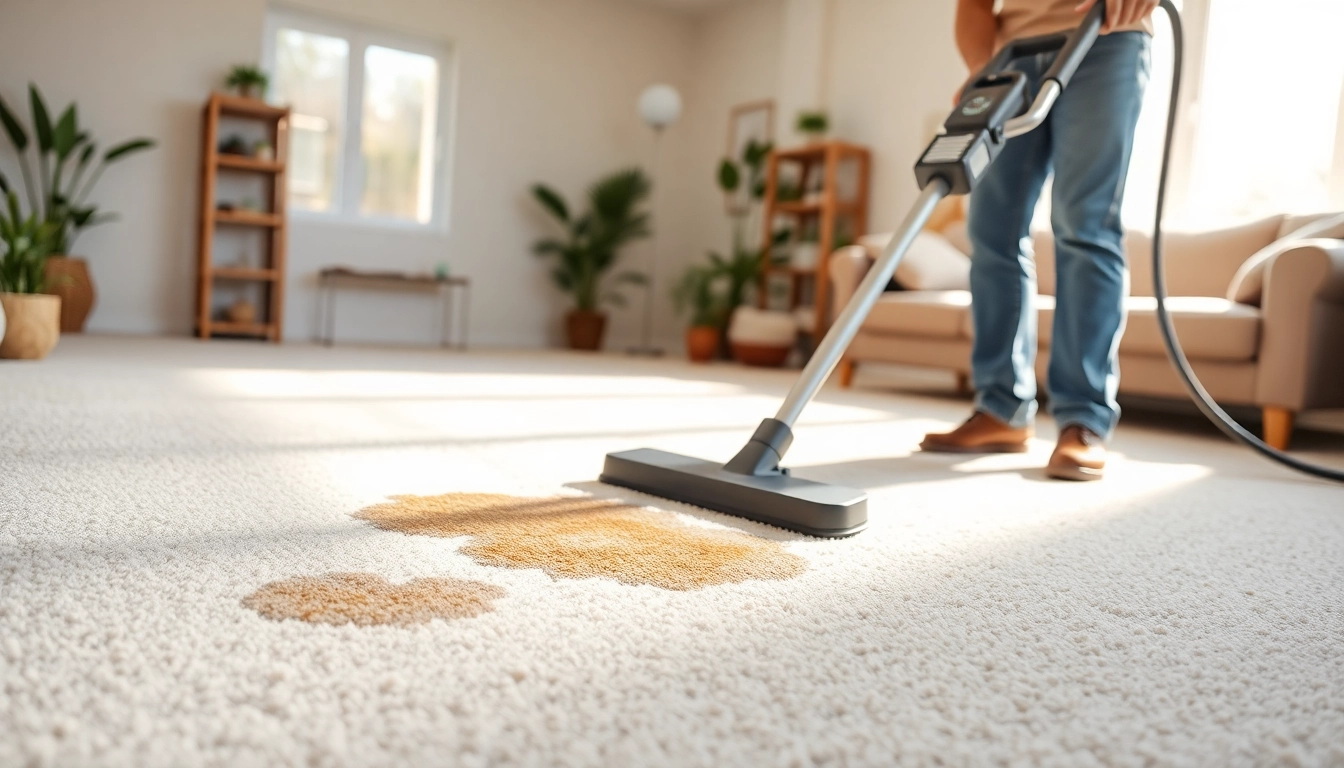
Understanding Pet Odor Carpet Cleaning
Nothing can characterize a home’s atmosphere quite like the presence of a beloved pet. However, with that companionship comes a challenge: keeping your carpets fresh and odor-free. For pet owners, understanding pet odor carpet cleaning becomes crucial to maintaining a pleasant living environment. In this comprehensive guide, we will delve into the factors contributing to pet odors, effective cleaning techniques, and long-term maintenance strategies.
The Importance of Regular Cleaning
Regular carpet cleaning is essential for pet owners not only to preserve aesthetics but also to maintain a healthy environment. Carpets act as filters, trapping pet hair, dander, and odors. Without periodic cleaning, these contaminants can build up over time, leading to problematic air quality and persistent smells.
Furthermore, regular cleaning helps in prolonging the lifespan of your carpet. Dirt and pet stains, if left untreated, can lead to permanent damage that requires costly replacements. A proactive approach to cleaning ensures that your home remains welcoming while keeping the potential health risks at bay.
Common Sources of Pet Odors
Several sources can contribute to pet odors in carpets. Understanding these factors can help you tackle the problem effectively.
- Urine: One of the primary culprits, pet urine can seep deep into the carpet padding, leading to persistent smells even after surface cleaning.
- Feces: Accidents can also leave behind lingering odors that can penetrate carpets if not cleaned promptly.
- Odorous secretions: Pets, especially dogs, secrete oils through their skin and fur, which can carry an unpleasant scent that becomes trapped in your carpet.
- Mold and mildew: In areas with high humidity, mold and mildew can thrive, often exacerbated by pet-related moisture, particularly from accidents.
How Carpets Absorb Odors
Carpets are made of fibers that are excellent at trapping particles, including odors. When pets have accidents, urine can penetrate deep into the fibers and even into the backing of the carpet, causing persistent odors that are difficult to eliminate.
The porous nature of carpeting also allows smells to permeate into the padding underneath, making it crucial to treat both the surface and the support layer of the carpet. Regular vacuuming alone may not eliminate these odors, thereby necessitating deeper cleaning techniques.
Techniques for Pet Odor Carpet Cleaning
Once you understand the nature of pet odors in carpets, the next step is to implement effective cleaning techniques. This section will cover various methods, ranging from simple DIY solutions to professional services.
DIY Carpet Cleaning Solutions
Many pet owners opt for DIY cleaning methods due to their convenience and cost-effectiveness. Here are several popular DIY solutions:
- Vinegar and Baking Soda: This combination neutralizes odors. Start by sprinkling baking soda over the affected area, followed by spraying a solution of equal parts vinegar and water. Allow it to dry and vacuum up the residue.
- Hydrogen Peroxide: For more oxidizing power, a solution of hydrogen peroxide can be dabbed onto stains. Ensure to test on a small area first as it can bleach some fabrics.
- Enzymatic Cleaners: These contain bacteria that breakdown organic materials like urine. These are particularly effective as they not just mask the odor but eliminate the source.
- Dish Soap Solution: A mix of gentle dish soap and warm water can help remove surface stains when blotted onto the area before rinsing and drying.
Professional Services Overview
While DIY methods are effective for routine maintenance and minor stains, professional cleaning services bring a higher level of expertise and equipment. Professionals often use truck-mounted systems which clean deeper than typical home cleaning equipment. They apply specialized solutions designed for removing pet-related odors and stains, ensuring thorough cleaning.
Moreover, they can assess the carpet type and the extent of odor and stain damage, offering tailored solutions. This might also include steam cleaning, which uses hot water extraction techniques to lift and eliminate the odors embedded deeper within the fibers.
Comparison of Cleaning Methods
Choosing between DIY and professional cleaning methods largely depends on the severity of the odor and the associated cleaning tasks. Here’s a comparative overview:
| Method | Effectiveness | Cost | Time Required |
|---|---|---|---|
| DIY Cleaning | Moderate; effective for surface stains | Low | 1-3 hours |
| Professional Cleaning | High; multiple techniques used | Moderate to High | 2-6 hours |
Best Practices for Maintenance
To avoid odors from becoming a persistent problem, regular carpet maintenance is key. Implementing best practices will help you keep your home smelling fresh and clean.
Regular Vacuuming Tips
Vacuuming is a fundamental aspect of carpet maintenance. Here are some tips to enhance your vacuuming routine:
- Vacuum Frequency: For pet owners, vacuuming should occur at least twice a week or more often in high-traffic areas.
- Use a High-Efficiency Vacuum: Consider a vacuum designed for pet hair and dander, which can effectively capture loose particles and allergens.
- Focus on High-Risk Areas: Pay extra attention to spots where pets frequently sit, play, or sleep.
- Follow Up with Carpet Fresheners: Once a month, use powder carpet fresheners to help neutralize odors that might arise from trapped materials.
Using Odor Neutralizers
Odor neutralizers can significantly enhance the freshness of your carpets. Choosing the right product can help mask odors while also preventing their re-emergence. Here are common types of odor neutralizers:
- Sprays: Use safe, biodegradable sprays after cleaning for an added layer of scent neutrality.
- Granular Products: These can be sprinkled onto dry carpet, left for a few hours, and then vacuumed up to eliminate odors effectively.
- Air Purifiers: Installing air purifiers can capture airborne pet dander and odors, keeping the entire home environment smelling fresh.
Protecting Your Carpet from Future Odors
Preventive measures can save you from extensive cleaning in the future:
- Designated Pet Areas: Set up specific areas for pets with easily washable rugs to contain dirt and odors.
- Training: Train pets to avoid accidents in the carpeted areas through consistent reinforcement and supervision.
- Use Pet-Friendly Products: Ensure that any cleaning products used are safe for pets to avoid causing harm or additional odors.
Advanced Solutions for Stubborn Odors
For persistent odors that resist traditional cleaning methods, consider advanced solutions that can provide deeper clean and longer-lasting freshness.
Deep Cleaning Techniques
Deep cleaning can bring old carpets back to life. Here’s an overview of effective techniques:
- Steam Cleaning: This method uses hot water and steam to lift dirt and odors from deep within the fibers.
- Hot Water Extraction: Similar to steam cleaning, this technique applies hot water combined with cleaning agents to dislodge grime.
- Dry Cleaning: For delicate carpets, dry cleaning uses special solvents to lift stains without the moisture of water-based cleaning.
Equipment Recommendations
Investing in quality cleaning equipment can make a significant difference in how well you maintain your carpets:
- Carpet Cleaners: Purchase or rent a powerful carpet cleaning machine designed for pet messes.
- Extractor Machines: Consider a portable extractor for spot cleaning exacerbated areas; these machines provide deep penetration of cleaning agents.
- Vacuum Accessories: Ensure your vacuum has attachments designed specifically for pet hair for more effective cleaning.
When to Seek Professional Help
In some cases, it’s best to call in the professionals. Here’s when you should consider seeking help:
- Severe or Persistent Odors: If odors linger despite your best efforts, professional grade equipment may be necessary to tackle stubborn issues.
- Deep Stains: Refer to professionals when stains have set for long periods or are too extensive to manage on your own.
- Type of Carpet: Certain carpets require specialized cleaning to avoid damage; professional expertise ensures proper care.
FAQs about Pet Odor Carpet Cleaning
What are the signs of pet odors in carpets?
Signs include a noticeable musty or ammonia-like smell, particularly in humid conditions, alongside visible stains and discoloration on carpet surfaces.
How often should I clean my carpets if I have pets?
It’s recommended to deep clean carpets every 6-12 months, with routine vacuuming occurring at least twice a week to manage allergens and odors.
Are homemade cleaning solutions effective?
Yes, homemade solutions like vinegar and baking soda can be effective for minor stains and odors, although severe issues may require professional cleaning.
Can I remove old pet stains completely?
While old stains can be challenging to remove completely, many can be significantly lightened or removed with appropriate cleaning methods.
What should I do immediately after a pet accident?
Immediately blot the area with paper towels to absorb moisture, then clean with an enzymatic cleaner to neutralize odors and prevent lingering issues.