
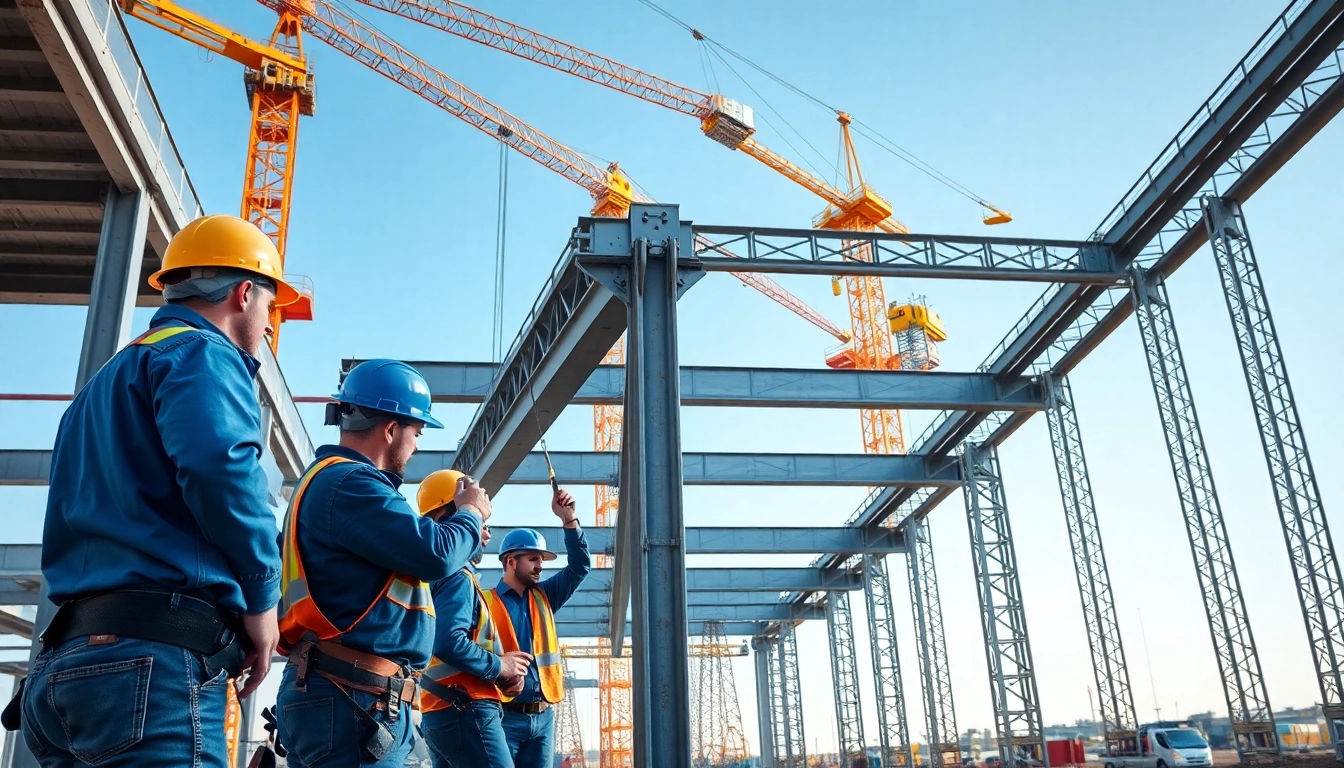
Introduction to Structural Steel Installation
Structural steel installation is a critical component of modern construction, providing the skeleton that supports a wide variety of building designs. Utilizing steel’s unique strength and durability, this process ensures stability and longevity in structures ranging from skyscrapers to bridges and residential buildings. As industries evolve, effective structural steel installation techniques have gained immense importance, necessitating a deep understanding of methods, materials, and compliance requirements.
Overview of Structural Steel
Structural steel is a category of steel used for making construction materials in a variety of shapes. Known for its excellent strength-to-weight ratio, structural steel allows for the design of lighter buildings without compromising structural integrity. The material is typically fabricated into standardized shapes, like beams, columns, and plates, to contribute to the overall framework of a building. Because of its adaptability, structural steel can be utilized in various applications, making it a versatile choice for architects and builders.
Importance of Structural Steel Installation
Proper installation of structural steel is vital for ensuring a building’s safety and functionality. Correctly installed steel ensures that loads are adequately distributed across the framework, preventing premature failure and maintaining structural integrity over time. Moreover, efficient installation helps minimize delays and reduce overall project costs. Understanding how to execute steel installation effectively can profoundly influence the outcome of construction projects, laying a solid foundation for successful building performance.
Common Applications of Structural Steel
The versatility of structural steel allows it to be used across a broad spectrum of applications, including:
- High-Rise Buildings: Supporting the weight of tall structures through column and beam systems.
- Bridges: Providing robust frames that withstand dynamic loads.
- Industrial Structures: Holding up factories and warehouses requiring wide spans and heavy loads.
- Residential Homes: Increasing energy efficiency and allowing for open floor plans with fewer walls.
Pre-Installation Planning and Preparation
Site Assessment and Preparation Steps
Before embarking on any structural steel installation, a comprehensive site assessment is essential. This process involves evaluating the location to identify potential obstacles such as underground utilities, existing structures, and soil conditions. Key steps in site preparation include:
- Soil Testing: Understanding the bearing capacity of the soil to ensure it can support the structure.
- Clearing the Site: Removing debris, vegetation, and any impediments that could interfere with construction activities.
- Creating an Access Plan: Designing logistic routes for material delivery and equipment access, ensuring minimal disruption during installation.
Tools and Equipment Needed for Installation
The successful installation of structural steel requires specific tools and equipment. Essential items include:
- Cranes: For lifting and positioning heavy steel components.
- Wrenches and Tightening Tools: For securing bolts and connections safely.
- Plumb Bobs and Levels: For ensuring precision in alignment and installation.
- Safety Gear: Such as helmets, harnesses, gloves, and steel-toed boots to protect workers.
Safety Regulations and Compliance
Safety is paramount during any construction process, especially when handling heavy materials like steel. Compliance with local, state, and national safety regulations, such as those set forth by the Occupational Safety and Health Administration (OSHA), is crucial. Important considerations include:
- Conducting safety training sessions to familiarize workers with protocols and equipment.
- Establishing a safety management plan that encompasses emergency evacuation routes and contingency plans for accidents.
- Using proper rigging techniques when lifting steel components to avoid accidents and ensure a safe working environment.
Best Practices for Structural Steel Installation
Effective Techniques for Erection
Successful steel erection adheres to several best practices, ensuring smooth operations with minimal risk. Effective techniques include:
- Pre-Assembly of Sections: Wherever possible, assembling sections off-site can streamline the installation process.
- Sequential Erection: Following a systematic approach to erecting steel components aids in maintaining balance and alignment.
- Use of Temporary Bracing: Temporary supports are crucial during installation to maintain stability until permanent connections are made.
Quality Control Measures
Implementing rigorous quality control measures during installation helps ensure the performance and durability of the structure. Key focus areas include:
- Conducting regular inspections of materials upon delivery to confirm compliance with specifications.
- Testing and calibrating tools and equipment to maintain precision during assembly.
- Documenting the installation process to ensure that all phases meet design and engineering standards.
Common Challenges and Solutions
Even with meticulous planning, challenges can arise during structural steel installation. Common issues may include:
- Weather Conditions: Poor weather can delay installation; developing contingency plans around weather forecasts is advisable.
- Material Delays: Supply chain issues can impact timelines; building relationships with multiple suppliers can mitigate this risk.
- Budget Overruns: Unexpected costs may arise; maintaining a flexible budget and a detailed tracking system can help control expenses.
Post-Installation Procedures
Inspection and Maintenance Guidelines
Upon completing structural steel installation, thorough inspection and maintenance protocols must be followed to verify structural integrity and safety. This includes:
- Schedule routine inspections post-completion to identify any potential issues early.
- Encouraging ongoing maintenance checks to monitor wear and tear over time.
- Documenting findings and corrective actions taken to ensure compliance and enhance future installation processes.
Finalizing Documentation and Compliance Checks
Proper documentation is essential for compliance and future reference. Companies should:
- Compile all inspection reports, testing data, and maintenance records to provide a comprehensive overview of the project.
- Ensure that all required permits and compliance documentation are filed correctly.
- Review lessons learned throughout the project to enhance future practices and address any identified weaknesses.
Lessons Learned from Past Installations
Adopting a culture of continuous improvement benefits the structural steel installation process. Key lessons learned can inform future practices:
- Emphasizing the importance of communication among all stakeholders ensures everyone is aligned throughout the project.
- Learning from past errors can prevent repeating mistakes, improving the overall execution of future installations.
- Survey feedback from project teams to glean insights that can refine processes and enhance safety protocols.
Future Trends in Structural Steel Installation
Innovations in Structural Steel Techniques
The landscape of structural steel installation is continuously evolving, with innovations enhancing both safety and efficiency. Emerging trends include:
- Modular Construction: Streamlining assembly through off-site prefabrication reduces installation time and labor costs.
- Advanced Materials: The development of lighter, stronger steel options enables more efficient designs and constructions.
- Robotics and Automation: Utilizing automated tools and robotics for precision tasks improves efficiency and safety on site.
Impact of Technology on Installation Efficiency
Technology continues to revolutionize construction practices. The impact includes:
- Utilizing Building Information Modeling (BIM) for detailed planning and collaboration among project teams.
- Employing augmented reality (AR) to visualize installation processes and identify potential challenges before they arise.
- Incorporating drones for site surveys, offering real-time data and enhancing safety by minimizing manual inspections.
Environmental Considerations in Steel Installation
As sustainability becomes a priority, environmental considerations in structural steel installation gain traction. Important factors include:
- Implementing recycling programs for scrap steel and waste to minimize the environmental footprint of projects.
- Utilizing eco-friendly coatings and treatments to enhance the lifespan of steel components while reducing harmful emissions.
- Integrating sustainable practices such as energy-efficient processes and sourcing materials from certified suppliers to promote sustainability.