Posted on

Why Most People Get Reporting ACA Income Changes Wrong (And How to Fix It)

Report ACA income changes with professional healthcare services at a medical clinic, ensuring accurate patient care and support.

Understanding ACA Income Changes

Managing your health insurance through the Affordable Care Act (ACA) marketplace requires diligence, especially when it comes to reporting income changes. Many individuals underestimate how crucial it is to provide accurate financial information throughout the year. Whether your earnings fluctuate because of a new job, a raise, a side gig, or decrease due to layoffs, reduced hours, or self-employment changes, failing to update this critical information can lead to significant consequences. Establishing a clear understanding of how to report ACA income changes ensures your coverage remains valid and your financial obligations are manageable.

What Counts as an Income Change for the ACA?

An income change for the ACA encompasses various life events that may affect your household income. These include job changes, receiving a promotion or a raise, changes in hours worked, starting or ending a job, receiving unemployment benefits, or even an increase or decrease in self-employment income. Additionally, if your household size changes due to marriage, divorce, or the birth of a child, these circumstances can also affect your income reporting requirements.

How ACA Subsidies Depend on Your Income

The Affordable Care Act provides premium tax credits and cost-sharing reductions based on your projected annual income. These financial aids are intended to alleviate the cost of health insurance premiums and out-of-pocket expenses, making healthcare coverage more accessible. The amount of assistance you qualify for is directly linked to your income and household size, making accurate reporting vital. For instance, underestimating your income could lead to receiving a larger subsidy than you are eligible for, while overestimating might disqualify you from needed assistance.

Consequences of Not Reporting Income Changes

Neglecting to inform the marketplace about changes in your income can lead to serious financial repercussions. This failure can result in significant repayment issues when you file your taxes, unexpected ineligibility for premium tax credits, and gaps in your health insurance coverage, which could leave you vulnerable to high medical costs. Keeping your income information current is essential for ongoing eligibility in your ACA plans and to ensure you’re not caught off guard at tax time.

Risks of Not Reporting Income Increases

Overpayment of Subsidies and Tax Implications

If you experience an increase in income and fail to report it, you may receive premium tax credits that exceed your eligibility. This can lead to a hefty repayment bill when you file your Federal tax return, as the IRS will require you to repay the excess credits. The repayment amount can be substantial, especially if the increase in income is significant compared to what you initially reported.

Impact on Future Premium Costs

Furthermore, not reporting an increase in income can lead to higher future premium costs. The ACA marketplace periodically recalibrates premiums based on reported income, and if you don’t disclose a rise in earnings, you may find yourself facing increased costs moving forward once the marketplace recalculates your eligibility for subsidies at the next open enrollment period.

Long-Term Financial Consequences

Long-term, failure to keep the marketplace informed about your income can affect your eligibility for future financial assistance. Discrepancies in reported income can create a pattern of trust issues with the marketplace, making it harder for you to secure the financial help you may need in subsequent years. Accurate, timely reporting is vital for maintaining your eligibility and avoiding future complications.

Risks of Not Reporting Income Decreases

Missing Out on Financial Assistance

On the flip side, if your income decreases and you do not notify the marketplace, you could be missing out on valuable subsidies. A drop in income will likely qualify you for a higher premium tax credit or even additional cost-saving benefits. Not reporting these changes can lead to paying more for coverage than necessary, potentially straining your finances during tough economic times.

Eligibility for Medicaid and CHIP Programs

Additionally, if your income falls below a specific threshold, you may become eligible for Medicaid or the Children’s Health Insurance Program (CHIP). Failing to report an income loss might prevent you from gaining access to these essential programs, which can significantly relieve healthcare costs.

Cost-Sharing Reductions Explained

Cost-sharing reductions are another avenue of financial assistance that becomes more accessible when your income decreases. These reductions help lower out-of-pocket expenses such as deductibles, copayments, and coinsurance. Without updating your income information with the marketplace, you risk missing out on more affordable healthcare plans that could better align with your financial situation.

How to Report ACA Income Changes

Steps for Reporting Income Changes Online

Reporting changes to your income can be done seamlessly online through your ACA marketplace account. Here’s how:

  1. Log in to your marketplace account.
  2. Navigate to the section of your account that allows you to report a life change.
  3. Select ‘Income’ and follow the prompts to update your estimated annual income.
  4. Save the changes and confirm that your application reflects your new information.

Adjusting Household Information

It’s equally important to update any changes in your household composition. Whether you gain or lose dependents can affect your eligibility and the amount of subsidies you qualify for.

Best Practices for Self-Employed Individuals

If you’re self-employed or have irregular income, it’s wise to maintain meticulous records of your earnings. Regularly updating your income projections based on your earnings is crucial, as this helps reflect a more accurate financial situation to the marketplace. Keeping track of your financial changes can aid in ensuring that your subsidies remain appropriate and that you avoid overpayments or unnecessary debts.

Preparing for 2026 ACA Updates

Upcoming Changes to Subsidy Calculations

As the ACA landscape evolves, staying informed about upcoming changes is crucial for all subscribers. The subsidy calculations may undergo revisions in 2026, which could directly impact your financial assistance levels. Regularly checking the latest updates from the ACA marketplace will help you prepare and plan accordingly.

Monitoring Your Premium Adjustments

Regularly monitoring your premiums is vital as the marketplace adjusts based on changes in income. Adjustments in plan costs and premium tiers can shift unexpectedly, and having a proactive approach allows you to maintain a health plan that fits your budget.

How to Stay Informed and Proactive

To stay up to date, consider setting reminders to review your income and household status periodically. This practice will help ensure your information is accurate and current, aiding in maintaining your coverage and financial assistance as needed.

Frequently Asked Questions

What happens if I don’t report an income change?

If you don’t report an income change, you risk receiving incorrect subsidies that can lead to repayments at tax time or a reduction in your coverage options. The marketplace uses your reported income to determine your eligibility for financial assistance, so inaccuracies can have negative consequences.

Can I adjust subsidies mid-year to avoid repayment?

Yes, you can adjust your subsidy estimates mid-year as your financial situation changes. This proactive approach can help avoid potential repayment issues when you file your taxes.

Does this apply to self-employed individuals?

Absolutely. Self-employed individuals must report any significant fluctuations in income, as these changes affect their eligibility for subsidies and overall coverage costs. Maintaining accurate records and promptly updating the marketplace is vital for self-employed individuals to ensure their continued access to necessary financial assistance.

Posted on

Are Your Anxiety Symptoms Affecting Your Daily Life? Here’s How to Handle Them

Anxiety symptoms

Anxiety is a natural response to stress, but when it becomes persistent or overwhelming, it can significantly affect various aspects of daily life. From work performance to relationships and overall well-being, Anxiety symptoms can create barriers to living a full, healthy life. Understanding the connection between anxiety and daily functioning is essential for recognizing when it’s time to take action. This article explores the ways anxiety can impact everyday activities, how to identify its effects, and effective strategies for managing symptoms to regain control over your life.

Understanding Anxiety and Its Impact on Daily Life

Anxiety is more than just feeling nervous or stressed. It’s a mental health condition that causes persistent worry, fear, and physical symptoms, often in response to everyday situations. These symptoms can range from mild discomfort to severe distress and can interfere with personal, professional, and social aspects of life.

Common Symptoms of Anxiety

The symptoms of anxiety can vary from person to person but typically include both physical and emotional reactions. Some of the most common symptoms of anxiety include:

  • Physical Symptoms: Increased heart rate, shortness of breath, trembling, sweating, dizziness, muscle tension, fatigue, and headaches.
  • Emotional Symptoms: Excessive worry, fear of the unknown, irritability, restlessness, difficulty concentrating, and feelings of impending doom.
  • Behavioral Symptoms: Avoidance of certain situations, social withdrawal, procrastination, and reliance on unhealthy coping mechanisms, such as alcohol or smoking.

These symptoms may appear intermittently or persist for prolonged periods. In either case, they can affect your ability to function and lead a balanced life.

How Anxiety Affects Your Work Performance

Anxiety can have a significant impact on your work performance, leading to reduced productivity, decreased job satisfaction, and challenges in meeting expectations. The cognitive and emotional effects of anxiety can make it difficult to concentrate, stay organized, and manage the demands of your job.

Difficulty with Focus and Concentration

Anxiety often leads to racing thoughts that make it challenging to focus on tasks at hand. This constant mental distraction can reduce efficiency and affect the quality of work. In the workplace, anxiety may manifest as difficulty prioritizing tasks, forgetting deadlines, or making mistakes that are typically uncharacteristic of you.

  • Cognitive Overload: The mind may become overwhelmed with worries, making it hard to complete even simple tasks.
  • Procrastination: Anxiety can cause you to avoid starting or finishing projects due to fear of failure or making mistakes. This can lead to missed deadlines or incomplete work.

Increased Stress and Reduced Productivity

Anxiety creates a heightened state of stress, which can lower energy levels and increase feelings of burnout. In the workplace, chronic anxiety can lead to increased absenteeism, lower motivation, and dissatisfaction with work.

  • Physical Fatigue: The mental and physical toll of anxiety often leaves individuals feeling exhausted and drained, which can further hinder productivity.
  • Reduced Performance: When anxiety is left unchecked, it can lead to a significant decline in work performance, as the anxiety symptoms take precedence over work tasks.

Difficulty with Interpersonal Relationships at Work

Anxiety can affect how you communicate and interact with colleagues, supervisors, and clients. When anxiety is present, it’s common to feel self-conscious, avoid social interactions, or struggle with communication.

  • Social Withdrawal: Anxiety may lead to avoiding social interactions at work, making it difficult to participate in team activities, meetings, or one-on-one discussions.
  • Fear of Judgement: A common symptom of anxiety is the fear of being judged or criticized, which may cause you to second-guess your contributions and withdraw from work-related interactions.

Managing anxiety is crucial to maintaining a healthy work-life balance and preventing career stagnation or dissatisfaction.

Anxiety symptoms

The Effect of Anxiety on Relationships

Anxiety can have a profound effect on personal relationships, whether it’s with a spouse, family member, friend, or colleague. The emotional and behavioral symptoms of anxiety can create tension, misunderstandings, and conflict, making it harder to connect with others.

Increased Irritability and Mood Swings

Individuals with anxiety may experience heightened irritability or mood swings, especially when anxiety symptoms are left untreated. This emotional volatility can strain relationships, making it difficult for others to understand what you’re going through.

  • Difficulty Managing Emotions: Anxiety can make it harder to regulate emotions, leading to outbursts or feeling overwhelmed by everyday challenges.
  • Frustration with Yourself: As a result of emotional instability, you may become frustrated with yourself, leading to feelings of guilt, shame, or self-blame.

Avoidance of Social Situations

Anxiety can lead to avoidance behaviors, which can affect relationships with others. If anxiety causes fear or discomfort in social situations, you may begin withdrawing from events, gatherings, or even everyday interactions.

  • Avoiding Invitations: Fear of judgment or social awkwardness can lead to avoiding invitations or social events, which can create distance between you and loved ones.
  • Isolation: Chronic anxiety may lead to isolation, as it becomes easier to retreat into solitude than face uncomfortable situations.

Strain in Romantic Relationships

In romantic relationships, anxiety can lead to difficulties with trust, communication, and intimacy. Constant worry and fear of rejection can create a barrier to developing healthy, supportive connections with a partner.

  • Overthinking: Anxiety can cause you to overthink your relationship, leading to unnecessary doubts or concerns about your partner’s feelings or intentions.
  • Need for Reassurance: Anxiety can manifest as a constant need for reassurance from a partner, leading to tension and stress in the relationship.

Addressing anxiety and working with a partner to understand its impact can help create stronger, healthier relationships.

How Anxiety Affects Physical Health

The physical symptoms of anxiety can have long-term consequences for your health. Chronic anxiety can lead to increased physical stress on the body, causing a wide range of health problems. Understanding these potential risks is essential for taking proactive steps to manage anxiety and safeguard your well-being.

Impact on the Heart and Circulatory System

Anxiety triggers the “fight or flight” response, causing an increase in heart rate and blood pressure. Over time, this continuous strain on the cardiovascular system can increase the risk of heart disease and other related conditions.

  • Chronic High Blood Pressure: Prolonged anxiety can contribute to high blood pressure, which increases the risk of heart disease, stroke, and other cardiovascular issues.
  • Heart Palpitations: Anxiety may cause heart palpitations, which can be distressing and lead to a heightened sense of fear or panic.

Digestive Issues

Anxiety can disrupt the digestive system, leading to a variety of gastrointestinal problems. Stress and anxiety affect gut health by altering the way the gut functions, leading to digestive discomfort.

  • Stomachaches and Cramps: Anxiety can cause stomachaches, nausea, or general gastrointestinal discomfort, especially during stressful events.
  • Irritable Bowel Syndrome (IBS): Anxiety is a common trigger for IBS, leading to symptoms such as diarrhea, constipation, and bloating.

Sleep Disturbances

Sleep disturbances are common among those with anxiety. The inability to calm the mind before bed can result in insomnia or poor-quality sleep, which can negatively affect your health and energy levels the following day.

  • Difficulty Falling Asleep: Racing thoughts or physical discomfort caused by anxiety may make it hard to fall asleep, leading to a cycle of sleep deprivation.
  • Poor Sleep Quality: Even if you manage to sleep, anxiety can lead to restless or fragmented sleep, preventing you from fully resting and recovering.

Coping Strategies for Managing Anxiety

If anxiety symptoms are affecting your daily life, it’s essential to take action. There are various strategies and tools that can help you manage anxiety and regain control over your life. These approaches can help reduce the severity of symptoms, improve your emotional well-being, and enhance your ability to cope with stress.

1. Practice Mindfulness and Relaxation Techniques

Mindfulness meditation and relaxation exercises can help reduce the intensity of anxiety. Techniques like deep breathing, progressive muscle relaxation, and visualization can promote calmness and improve emotional regulation.

  • Mindfulness: Focusing on the present moment can help break the cycle of worry and prevent anxiety from spiraling out of control.
  • Progressive Muscle Relaxation: Tensing and releasing muscle groups in the body helps alleviate physical tension and promotes relaxation.
  • Breathing Exercises: Deep, controlled breathing helps lower heart rate and reduce feelings of panic.

2. Regular Physical Exercise

Exercise is one of the most effective ways to reduce anxiety. Physical activity releases endorphins, which are chemicals in the brain that promote feelings of well-being and alleviate stress.

  • Aerobic Exercise: Running, swimming, cycling, and other forms of aerobic exercise can significantly reduce anxiety symptoms.
  • Yoga and Pilates: These exercises combine movement, breathwork, and mindfulness to reduce physical tension and stress.

3. Cognitive Behavioral Therapy (CBT)

CBT is an effective therapy for treating anxiety. This approach focuses on changing negative thought patterns that contribute to anxiety. By identifying and challenging irrational beliefs, individuals can learn to respond to anxiety triggers in healthier ways.

  • Thought Records: Keeping a journal of anxious thoughts and identifying patterns can help you recognize when anxiety is becoming irrational and how to shift your thinking.
  • Exposure Therapy: Gradually facing the situations that cause anxiety can reduce avoidance behaviors and help build confidence.

4. Seek Professional Support

If anxiety symptoms are severely impacting your daily life, it may be time to seek professional help. A therapist or counselor can help you develop coping strategies tailored to your specific needs and offer guidance on managing anxiety.

  • Therapy: Working with a mental health professional can help you develop personalized strategies for managing anxiety.
  • Medication: In some cases, medication may be necessary to help regulate anxiety symptoms. Talk to your doctor about options such as anti-anxiety medications or antidepressants.

Conclusion

Anxiety can significantly impact your daily life, affecting work, relationships, physical health, and overall well-being. Recognizing the signs of anxiety and understanding how it affects your life is the first step toward taking control. With the right coping strategies, including mindfulness, physical activity, cognitive therapy, and professional support, it’s possible to manage anxiety and improve your quality of life. If anxiety continues to interfere with your ability to function, don’t hesitate to reach out for help. There are many tools and resources available to support you on your journey toward managing anxiety and living a fulfilling life. Our homepage is packed with the latest tools and information—don’t miss it.

FAQs

How can I tell if my anxiety is affecting my daily life?

If you’re noticing a decline in work performance, difficulty maintaining relationships, or physical symptoms such as fatigue or stomach issues, your anxiety may be affecting your daily life. Seeking support and recognizing these signs early can help prevent further complications.

Can exercise really help reduce anxiety?

Yes, regular physical exercise is one of the most effective ways to reduce anxiety. It releases endorphins, improves sleep, reduces muscle tension, and helps regulate stress. Incorporating daily physical activity can make a significant difference in managing anxiety.

When should I seek professional help for anxiety?

If your anxiety symptoms are overwhelming, persist for long periods, or interfere with your ability to function at work, in relationships, or in daily activities, it’s a good idea to seek professional help. Therapy, medication, or a combination of both can provide effective treatment for anxiety.

Contact Us:

Name: Calm Minds Hub

Address: London Eye, Riverside Building, County Hall, Westminster Bridge Rd, London SE1 7PB, United Kingdom

Website: https://calmmindshub.com/

Posted on

Essential Massage Techniques for Ultimate Relaxation in 2026

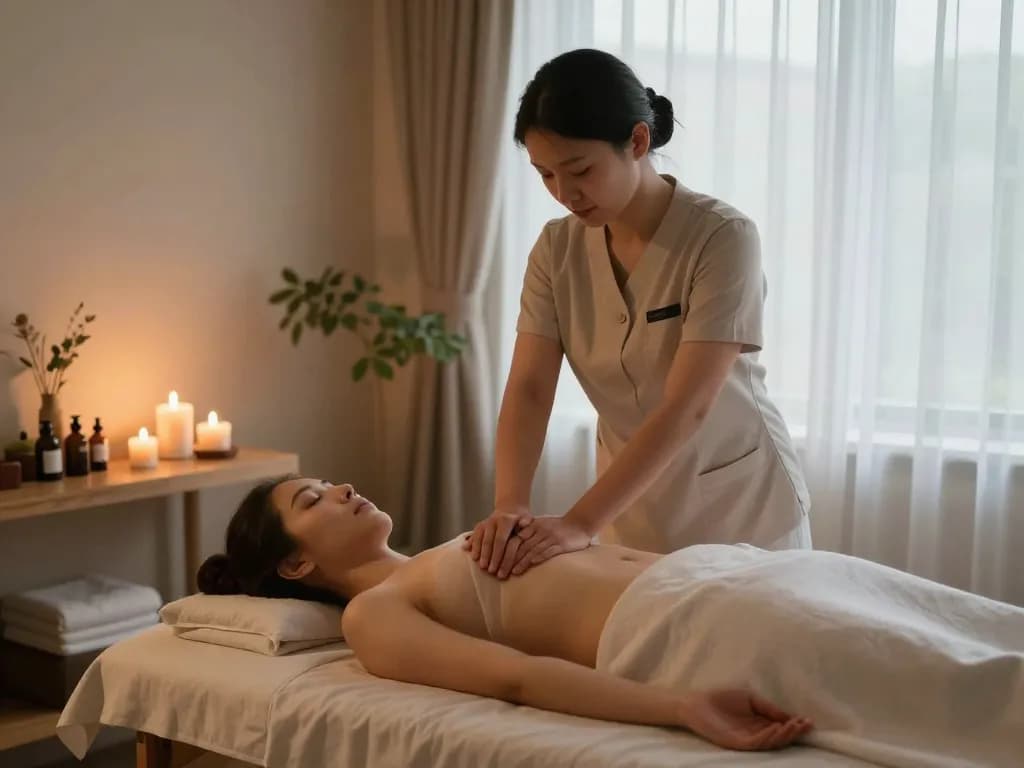
Swedish massage therapy session with calming ambiance in a serene room.

마사지의 이점 이해하기

마사지 테라피는 단순히 몸의 피로를 푸는 것 이상의 이점을 제공합니다. 이는 신체적, 정서적, 그리고 정신적 웰빙을 향상시키는 중요한 방법으로 인식되고 있습니다. 다양한 마사지 기법들이 존재하며, 개인의 필요와 선호에 맞추어 선택할 수 있습니다. 특히 마사지의 세계는 그 선택의 폭이 넓어, 사용자들에게 맞춤형 경험을 제공하고 있습니다.

마사지란 무엇이며 그 목적은?

마사지란, 손이나 기계 등을 이용하여 신체의 근육과 결합 조직을 물리적으로 자극하는 테라피입니다. 이 과정에서 발생하는 압박과 처리 과정을 통해 혈액순환이 개선되고, 통증이 완화되며, 긴장이 감소하는 등의 효과를 가져옵니다. 이러한 목적은 단순한 휴식에서 벗어나, 전반적인 건강 증진을 도모하는 데에 있습니다.

정기적인 마사지 요법의 신체적 이점

정기적인 마사지 요법은 여러 신체적 이점을 제공합니다. 먼저, 근육의 긴장 완화와 함께 통증 완화 효과가 있습니다. 이는 운동 후 근육 회복을 촉진하는 데 도움을 주며, 관절의 유연성을 높여줍니다. 또한 면역력 강화에도 긍정적인 영향을 미치며, 몸이 더 나은 상태로 기능할 수 있도록 돕습니다.

마사지의 정신적 및 정서적 장점

마사지의 효과는 신체적인 측면을 넘어 정신적, 정서적인 부분에도 미칩니다. 스트레스를 완화하고, 불안감을 줄이며, 전반적인 기분을 개선하는 데 도움을 줍니다. 연구에 따르면, 마사지는 코르티솔 수치를 낮추고 세로토닌과 도파민 수치를 높이는 데 효과적이라고 알려져 있습니다.

마사지 기법의 종류 설명하기

스웨디시 마사지란 무엇인가?

스웨디시 마사지는 가장 대중적이고 기본적인 마사지 기법으로, 긴장된 근육을 부드럽게 풀어주고 혈액순환을 돕습니다. 이 기법은 주로 긴 스트로크, 원형 동작 및 깊은 압박을 결합하여 수행되며, 전신의 편안함을 극대화합니다. 스웨디시 마사지는 종종 첫 번째 마사지 경험으로 추천되며, 스트레스 해소 및 근육 이완에 효과적입니다.

딥 티슈 마사지와 스웨디시 마사지 비교하기

딥 티슈 마사지는 스웨디시 마사지와 달리 보다 깊은 층의 근육 조직을 목표로 합니다. 이 기법은 만성 통증이나 특정 문제를 해결하는 데 더 적합하며, 강한 압박과 지속적인 스트레칭 기법을 사용합니다. 따라서 근육의 깊은 긴장을 완화하고, 통증 부위를 보다 집중적으로 치료할 수 있습니다. 스웨디시 마사지에 비해 보다 기술적인 접근이 요구됩니다.

자신에게 맞는 마사지 선택하기

마사지 기술을 선택할 때에는 자신의 신체 상태와 원하는 목표를 고려해야 합니다. 만약 긴장이 많이 쌓인 상태라면 스웨디시 마사지를 선택하는 것이 좋으며, 만성 통증이나 근육의 깊은 긴장 해소가 필요하다면 딥 티슈 마사지를 추천합니다. 또한, 각 마사지의 전문가와 상담을 통해 개인의 필요에 맞는 최적의 선택을 할 수 있습니다.

최고의 마사지 치료사 찾기

마사지 치료사에게 필요한 필수 자격 요건

전문 마사지 치료사는 관련 자격증을 보유해야 하며, 폭넓은 교육과 실습 경험을 갖추어야 합니다. 신체 해부학에 대한 깊은 이해와 다양한 마사지 기법에 대한 숙련도가 요구됩니다. 또한, 고객과의 소통 능력과 문제 해결 능력이 뛰어나야 하며, 각 고객의 요구에 맞는 맞춤형 서비스를 제공해야 합니다.

마사지 요법 서비스 평가 방법

마사지 요법 서비스를 평가하는 데 있어서는 시설의 청결도, 치료사의 전문성, 그리고 고객 지원 서비스 등을 고려해야 합니다. 또한, 고객 리뷰와 추천을 통해 실질적인 경험을 파악할 수 있습니다. 대체로 높은 평점을 부여 받는 곳이 좋은 서비스를 제공할 가능성이 높습니다.

지역 내 최고의 마사지 치료 스튜디오

각 지역마다 다양한 마사지 스튜디오가 존재하며, 그 중에서도 고객의 리뷰와 평판이 좋은 곳을 선택하는 것이 중요합니다. 주로 스웨디시 마사지와 딥 티슈 마사지, 아로마 마사지 등의 기법을 제공하는 스튜디오들이 인기가 있으며, 특정 지역에서의 추천 리스트를 통해 손쉽게 정보를 얻을 수 있습니다.

첫 마사지 예약 준비하기

세션 중 예상되는 사항

첫 마사지 세션에서는 간단한 상담 후에 본격적인 치료가 진행됩니다. 고객의 건강 상태와 원하는 마사지 유형에 따라 세션이 맞춤형으로 진행됩니다. 마사지 시작 전에는 전체적인 환경이 편안하고 고요한지 확인하는 것이 중요합니다.

마사지 전에 이완할 수 있는 팁

마사지를 받기 전에는 깊은 호흡을 통해 긴장을 풀거나, 간단한 스트레칭을 통해 몸을 이완하는 것이 좋습니다. 이완된 상태에서 마사지를 받으면 더욱 효과적인 결과를 얻을 수 있습니다.

마사지 후의 관리 및 권장사항

마사지 후에는 충분한 수분 섭취가 필요하며, 신체가 안정될 수 있도록 휴식을 취하는 것이 좋습니다. 또한, 목욕이나 가벼운 운동은 근육의 이완을 도와줄 수 있습니다. 가능하다면 마사지 후 24시간 내에는 강한 운동을 피하는 것이 좋습니다.

마사지 요법의 미래 트렌드 2026

마사지 요법의 기술 혁신

2026년에는 마사지 요법에 대한 기술적 혁신이 예상됩니다. 이는 AI 기반의 마사지 기계나 가상현실(VR) 기술을 활용해 고객의 피로를 관리하는 방안으로 발전할 것입니다. 이러한 기술들은 마사지 경험을 한층 더 향상시킬 것으로 기대됩니다.

홀리스틱 및 통합 치료의 인기 증가

마사지 요법은 홀리스틱 치료에 대한 관심이 증가함에 따라 더욱 통합적인 접근을 취할 것입니다. 이는 스트레스 관리와 몸과 마음의 건강을 동시에 고려하는 방향으로 나아가고 있습니다.

웰니스 트렌드가 마사지 요법에 미치는 영향

웰니스와 건강 관리에 대한 관심이 높아짐에 따라, 마사지 요법은 더욱 일반화될 것입니다. 많은 사람들이 정기적인 마사지를 통해 건강과 스트레스 관리를 시도하게 될 것입니다.

마사지 받기 가장 좋은 시기

마사지 받기 가장 좋은 시기는 개인의 생활 패턴에 따라 다르지만, 대개 주말이나 스트레스가 많은 일정의 후에 예약하는 것이 권장됩니다. 이를 통해 더 큰 효과를 느낄 수 있습니다.

마사지가 운동 성능을 향상시킬 수 있는가?

연구에 따르면, 마사지는 운동 선수의 회복을 촉진하고 근육의 유연성을 증가시킬 수 있습니다. 운동 전후에 마사지를 받음으로써 성능이 개선될 수 있는 가능성이 있습니다.

자기 마사지 기법 집에서 활용하기

자기 마사지는 집에서도 손쉽게 할 수 있는 방법입니다. 간단한 도구나 손을 활용하여 긴장된 부위를 풀어주거나, 스트레칭을 통해 몸의 긴장을 해소할 수 있습니다.

Posted on

Essential 스웨디시 Massage Techniques for Ultimate Relaxation in 2026

Relaxing 스웨디시 massage session in a tranquil spa environment with soothing light.

Understanding 스웨디시 Massage

스웨디시 마사지는 몸과 마음의 피로를 풀어주는 전통적인 마사지 방법으로, 근육 이완과 혈액순환 개선에 중점을 둡니다. 현대인에게 많은 인기를 끌고 있는 이 마사지 기법은 스웨덴에서 유래되어 세계 여러 나라에서 사랑받고 있습니다. 특히 서울 지역에서도 다양한 스웨디시 마사지 샵이 운영되고 있으며, 아로마 오일과 기술이 결합되어 최상의 힐링 경험을 제공합니다. 다양한 옵션과 세부 정보는 스웨디시 마사지 관련 웹사이트에서 확인할 수 있습니다.

What is 스웨디시 Massage?

스웨디시 마사지는 부드러운 손길을 통해 긴장을 푸는 대표적인 마사지 기법으로, 전신의 근육을 이완시키고 혈액순환을 촉진하는 효과가 있습니다. 이 마사지에서 사용하는 다양한 기법, 예를 들어 부드러운 스트로크, 압력을 통한 깊은 이완 등이 포함됩니다. 스웨디시 마사지는 전신에 적용되며, 서로 다른 기술을 조합하여 고객의 필요에 맞춰 조정이 가능합니다.

The History and Evolution of 스웨디시 Massage

이 마사지 기법은 19세기 초, 스웨덴의 물리치료사 한스 링(Per Henrik Ling)에 의해 개발되었습니다. 그는 인체의 해부학적 구조와 생리학적 원리를 바탕으로 마사지 기법을 체계화하였으며, 이후 스웨디시 마사지는 세계적으로 널리 알려지게 되었습니다. 초기에는 스포츠 재활이나 치료 목적으로 사용되었으나, 현재는 스트레스 해소와 이완을 목적으로 하는 일반 마사지로 자리잡았습니다.

Benefits of 스웨디시 Massage for Physical and Mental Health

스웨디시 마사지는 다양한 건강 혜택을 제공합니다. 이 테라피는 신체의 긴장을 완화하고, 근육통을 줄이며, 혈액순환을 개선하는 데 도움을 줍니다. 또한, 심리적 스트레스를 감소시키고, 전반적인 기분을 개선하는 데 효과적입니다. 지속적인 마사지 치료는 수면 질을 향상시키고 면역 체계를 강화해줍니다. 이러한 혜택들은 스웨디시 마사지가 현대 사회에서 점점 더 인기 있는 이유 중 하나입니다.

Techniques and Approaches in 스웨디시 Massage

Essential Techniques Used in 스웨디시 Massage

스웨디시 마사지는 몇 가지 핵심 기술을 통해 이루어집니다. 첫 번째는 “스트로크”로, 이는 부드러운 손길로 피부를 따라 문질러 주는 방식입니다. 두 번째는 “압박” 기술로, 특정 부위에 압력을 가해 근육의 긴장을 풀어줍니다. 세 번째는 “주무르기” 기법으로, 근육을 움직이며 이완을 돕습니다. 이러한 기법들은 고객의 요구에 따라 조정될 수 있어, 맞춤형 마사지 경험을 제공합니다.

Understanding Pressure Points in 스웨디시 Massage

각각의 압력 포인트는 신경과 근육의 연결을 통해 인간의 몸에 다양한 영향을 미칩니다. 스웨디시 마사지에서는 이러한 압력 포인트를 이용하여 통증을 줄이고, 신체적인 이완을 도와줍니다. 특히, 목과 어깨 부위의 압점은 현대인의 고민인 스트레스와 긴장감을 해소하는 데 큰 도움이 됩니다.

Creating a Personal 스웨디시 Massage Routine

일상 속에서 스웨디시 마사지의 효과를 극대화하기 위해 개인 맞춤형 루틴을 만드는 것이 중요합니다. 매일 저녁이나 주말에 짧게라도 마사지를 받을 시간을 정하면 더욱 효과적입니다. 또한, 집에서도 다양한 도구나 오일을 활용하여 스스로 마사지를 시도해 볼 수 있습니다.

Choosing the Right Environment for 스웨디시 Massage

Setting Up a Home Spa for 스웨디시 Massage

자신의 집에서 편안한 스파 환경을 조성하는 것은 스웨디시 마사지를 더욱 즐겁고 효과적으로 만듭니다. 조명을 약하게 하고, 편안한 음악을 틀며 아로마 오일을 사용하면 전반적인 분위기가 한층 개선됩니다. 또한, 마사지 스페이스를 깔끔하게 유지하고, 필요한 도구를 미리 준비해 놓는 것이 좋습니다.

The Role of Ambiance in 스웨디시 Massage Experience

마사지 환경의 분위기는 마사지 경험에 큰 영향을 미칩니다. 부드러운 조명, 아로마 향, 편안한 음악 등은 마음을 안정시켜 주고 마사지 효과를 극대화하는 데 기여합니다. 그러므로 마사지 전에 주변 환경을 정돈하고 이완할 수 있는 공간을 만드는 것이 필수적입니다.

Essential Tools and Products for 스웨디시 Massage

스웨디시 마사지를 위한 도구와 제품으로는 마사지 오일, 마사지 볼, 그리고 마사지 툴이 있습니다. 이러한 제품들은 마사지를 더욱 효과적으로 진행할 수 있도록 도와줍니다. 또한, 고객의 피부 타입에 맞는 오일을 선택하여 사용하면 마사지의 전반적인 품질이 향상됩니다.

Addressing Common Misconceptions about 스웨디시 Massage

Debunking Myths Surrounding 스웨디시 Massage

스웨디시 마사지에 대해 잘못된 정보가 많이 퍼져 있습니다. 한 가지 흔한 오해는 스웨디시 마사지가 오로지 여성을 위한 것이라는 것입니다. 사실, 마사지의 이점은 모든 성별, 연령대에 적용되며, 남성도 충분히 혜택을 받을 수 있습니다.

The Difference Between 스웨디시 and Other Massage Types

스웨디시 마사지와 다른 마사지 기법의 차이는 주로 사용하는 기술과 목적에 있습니다. 예를 들어, 타이 마사지나 딥 티슈 마사지와 비교할 때, 스웨디시는 일반적으로 부드럽고 이완을 목표로 하며, 특정 부위의 깊은 압박을 지양합니다. 이러한 차이점은 고객이 어떤 효과를 원하는지에 따라 선택할 수 있는 다양한 옵션을 제공합니다.

How to Identify Quality 스웨디시 Massage Services

양질의 스웨디시 마사지 서비스를 선택하는 데는 몇 가지 기준이 있습니다. 우선, 마사지 테라피스트의 자격증과 경력을 확인하는 것이 중요합니다. 또한, 샵의 청결 상태와 고객 리뷰도 고려해야 합니다. 좋은 마사지 샵은 일반적으로 고객의 피드백을 적극적으로 반영하며, 직원 교육에 힘쓰는 경향이 있습니다.

Future Trends in 스웨디시 Massage

Innovative Techniques Emerging in 스웨디시 Massage

스웨디시 마사지 분야에서도 새로운 기법과 치료법이 꾸준히 발전하고 있습니다. 예를 들어, 최신 기기를 활용한 마사지나 다양한 테라피와의 결합이 이루어지면서 마사지의 효과가 더욱 극대화되고 있습니다. 이러한 변화는 고객의 요구에 부응하는 방향으로 진행되고 있습니다.

Impact of Technology on the 스웨디시 Massage Industry

기술은 스웨디시 마사지 산업에 큰 영향을 미치고 있습니다. 예를 들어, 온라인 예약 시스템의 도입으로 고객은 편리하게 마사지 서비스를 이용할 수 있습니다. 또한, 웨어러블 기기를 사용하여 개인의 건강 상태를 모니터링하며 맞춤형 마사지 계획을 수립하는 등 혁신적인 변화가 일어나고 있습니다.

Predictions for 스웨디시 Massage Practices in 2026

2026년에는 스웨디시 마사지 기술이 더욱 진화할 것으로 예상됩니다. 고객의 피드백을 더욱 직접적으로 반영한 맞춤형 서비스가 강화되고, AI 및 VR 기술을 통한 가상 현실 마사지 체험이 도입될 가능성도 높습니다. 이러한 변화는 스웨디시 마사지의 접근성을 높이고 고객 만족도를 개선하는 데 기여할 것입니다.

What Do Clients Want from 스웨디시 Massage in the Future?

미래의 고객들은 스웨디시 마사지에 대해 더욱 개인화된 경험을 원할 것입니다. 고객의 신체 조건과 마음의 상태를 고려한 맞춤형 서비스가 더욱 중요해질 전망이며, 이는 마사지 테라피스트와 고객 간의 소통이 원활하게 이루어져야 가능할 것입니다.

Posted on

Effective Back Pain Remedies to Relieve Your Discomfort

Engaging illustration of individual practicing back pain remedies in a calm indoor space.

Understanding Back Pain: Causes and Symptoms

Common Causes of Back Pain

Back pain is a ubiquitous ailment that can stem from a variety of sources. Common causes include poor posture, herniated discs, arthritis, injuries, and physical strains. Prolonged sitting or standing without support can lead to musculoskeletal issues. Additionally, certain conditions like osteoporosis and infections can exacerbate back pain. Understanding these causes is essential for effective management and treatment.

Identifying Symptoms of Back Pain

Symptoms of back pain can range from a dull ache to sharp, debilitating sensations. Individuals may experience stiffness, decreased range of motion, or radiating pain that affects the legs. In some cases, accompanying symptoms such as numbness or tingling may occur, indicating nerve involvement. Recognizing these symptoms early allows for timely intervention and preventive strategies.

When to Seek Medical Attention

Certain signs require immediate medical evaluation. Seek help if back pain persists for more than a few weeks, is accompanied by unexplained weight loss, or results from a fall or injury. Also, if bowel or bladder control is affected, immediate attention is critical. Early diagnosis can prevent worsening conditions and facilitate appropriate treatment.

Natural Back Pain Remedies for Immediate Relief

Stretching and Physical Therapy Techniques

Stretching can significantly alleviate back pain. Gentle exercises focused on flexibility and strength can help. Engaging in specific stretches, such as the cat-cow or child’s pose, focuses on spinal alignment. Physical therapy, guided by professionals, can tailor exercises to individual needs, promoting long-term benefits and improved mobility.

Heat and Ice Treatments

Using heat and cold therapies is an effective way to mitigate pain. Applying an ice pack can reduce inflammation and numb sharp pains, while heat packs relax tense muscles and improve blood flow. Alternating these treatments can provide comprehensive relief and expedite recovery, particularly following physical activity or prolonged periods of inactivity.

Over-the-Counter Medications

Non-prescription medications can also provide relief for back pain. Nonsteroidal anti-inflammatory drugs (NSAIDs) like ibuprofen can reduce inflammation, while acetaminophen aids in pain reduction. However, it is important to adhere to dosage recommendations and consult with healthcare providers if back pain persists or worsens.

Lifestyle Changes to Prevent Back Pain

Ergonomic Workspace Adjustments

Creating an ergonomic workspace is fundamental in preventing back pain, especially for those who spend prolonged hours at a desk. Positioning your chair to provide lower back support, adjusting screen heights, and utilizing footrests can enhance comfort. Regular breaks to stand, stretch, and walk around contribute significantly to reducing strain on the back.

Importance of Regular Exercise

Consistent physical activity is a cornerstone of back pain prevention. Engaging in low-impact exercises such as walking, swimming, or yoga promotes strength and flexibility in back muscles. A balanced workout includes core strengthening, which supports the spine and prevents injuries. Aim for at least 150 minutes of moderate exercise weekly to maintain optimal health.

Healthy Weight Maintenance

Carrying excess weight can strain your back, leading to discomfort and pain. Maintaining a healthy weight through balanced nutrition and regular exercise not only alleviates stress on the spine but also improves overall wellness. Incorporate nutrient-dense foods into your diet to support a healthy weight while providing the necessary energy for daily activities.

Alternative Therapies for Chronic Back Pain

Acupuncture and Acupressure Techniques

Alternative therapies such as acupuncture and acupressure have gained popularity for treating chronic back pain. Acupuncture involves inserting fine needles into specific body points, promoting pain relief by stimulating the body’s natural healing processes. Acupressure applies similar principles without needles, using pressure points to relieve tension and alleviate discomfort.

Chiropractic Care Insights

Chiropractic care focuses on spinal health and overall body alignment. Chiropractors utilize techniques such as spinal manipulation to correct misalignments that contribute to back pain. Regular chiropractic adjustments can enhance mobility, reduce pain levels, and improve overall physical well-being. Evidence supports chiropractic interventions as an effective approach to managing back pain.

Massage Therapy Benefits

Massage therapy provides immediate relief for muscular tension and enhances circulation, aiding healing. Therapeutic techniques can target specific pain areas, promoting relaxation and increased flexibility. Regular massages can support ongoing back pain management, reduce stress, and improve mental well-being. It is advisable to consult with a certified practitioner for optimal results.

Long-term Back Pain Management Strategies

Creating a Personal Pain Management Plan

Developing a personalized pain management strategy can help monitor and alleviate back pain. Such a plan may include identifying pain triggers, setting achievable exercise goals, and incorporating relaxation techniques. Journaling your progress helps track patterns, which is beneficial for making adjustments in your approach over time.

Finding Support from Professionals

Establishing a support network of healthcare professionals, such as physical therapists, chiropractors, and nutritionists, can greatly aid in back pain management. These professionals bring expertise that can guide treatment, provide accountability, and offer customized plans tailored to your unique condition and lifestyle preferences.

Establishing a Routine for Consistency

Consistency is key in managing back pain. Establishing a daily routine that incorporates exercises, stretches, and mindfulness practices can significantly enhance your quality of life. Treat this routine as a commitment to your health, adjusting as necessary while keeping track of what works best for you. Over time, consistent efforts will yield tangible benefits.

FAQs:

What are some instant back pain remedies I can try at home?

Try gentle stretching, applying heat or ice, and taking over-the-counter pain relievers for immediate relief.

How often should I do exercises for back pain?

Engage in targeted exercises daily or several times a week, depending on discussed recommendations from a healthcare provider.

Are there any dietary changes that can help with back pain?

A diet rich in anti-inflammatory foods, like fruits, vegetables, and omega-3 fatty acids, may help reduce back pain.

When should I consult a healthcare professional for back pain?

If back pain persists for more than a few weeks or affects daily activities, it’s important to seek medical advice.

Can posture affect back pain?

Yes, poor posture can strain the back muscles and spine, contributing to pain. Regularly practicing good posture is essential.

Finding effective back pain remedies is vital for improving quality of life and promoting overall health. By understanding the underlying causes, exploring natural remedies, and implementing lifestyle changes, you can effectively manage and prevent back pain.

Posted on

Kompetente Beratung und Behandlungen in der Plastische Chirurgie Hamburg

Professioneller plastischer Chirurg erklärt Abläufe der Plastische Chirurgie Hamburg.

Einführung in die Plastische Chirurgie Hamburg

Die Plastische Chirurgie Hamburg ist ein essenzieller Bestandteil der modernen Medizin, die sich sowohl mit der Rekonstruktion von Körperteilen als auch mit ästhetischen Verbesserungen beschäftigt. In dieser urbanen Metropole hat sich eine Vielzahl von spezialisierten Einrichtungen etabliert, die ein breites Spektrum an chirurgischen Eingriffen anbieten. Diese beginnen bei rein kosmetischen Verfahren bis hin zu komplexen rekonstruktiven Eingriffen, die oft notwendig sind, um das physische und psychische Wohlbefinden der Patienten zu verbessern.

Was ist plastische Chirurgie?

Plastische Chirurgie ist ein medizinisches Fachgebiet, das sich auf die Wiederherstellung, Rekonstruktion und Verbesserung des menschlichen Körpers konzentriert. Es umfasst eine Vielzahl von Verfahren, die darauf abzielen, sowohl funktionale als auch ästhetische Probleme zu beheben. Während der Bereich der ästhetischen Chirurgie sich auf die Verbesserung des Aussehens konzentriert, umfasst die rekonstruktive Chirurgie oft Eingriffe zur Wiederherstellung des ursprünglichen Aussehens nach Unfällen oder Krankheiten.

Vorteile der plastischen Chirurgie

Die Vorteile plastischer Chirurgie sind vielfältig. Neben der physischen Verbesserung des Erscheinungsbildes kann sie auch das Selbstwertgefühl und die Lebensqualität eines Menschen signifikant steigern. Viele Patienten berichten von einer erhöhten Zufriedenheit mit ihrem Körper, weniger Selbstzweifeln und einer verbesserten sozialen Interaktion. Darüber hinaus können rekonstruktive Eingriffe oft lebensverändernde Auswirkungen haben, indem sie Patienten helfen, ihr normales Leben nach schweren Verletzungen oder Krankheiten zurückzugewinnen.

Wer sollte sich einer plastischen Chirurgie unterziehen?

Die Entscheidung für plastische Chirurgie sollte gut überlegt und individuell getroffen werden. Sie eignet sich für Patienten, die bestimmte körperliche Merkmale verbessern oder wiederherstellen möchten, sei es aus ästhetischen Gründen oder aufgrund medizinischer Notwendigkeiten. Es ist wichtig, dass diese Patienten in einem physischen und psychischen Zustand sind, der eine Operation zulässt, und dass sie realistische Erwartungen bezüglich der Ergebnisse haben.

Arten von Verfahren der Plastischen Chirurgie Hamburg

Ästhetische Eingriffe

Ästhetische Eingriffe zielen darauf ab, das äußere Erscheinungsbild einer Person zu verändern und zu verbessern. Dazu gehören Verfahren wie Facelifts, Brustvergrößerungen, Nasenkorrekturen und Fettabsaugungen. Diese Eingriffe sind in der Regel sicher, wenn sie von qualifizierten Fachärzten durchgeführt werden, und bieten den Patienten die Möglichkeit, ihren individuellen Schönheitsidealen näher zu kommen.

Rekonstruktive Chirurgie

Rekonstruktive Chirurgie ist eine entscheidende Komponente der plastischen Chirurgie, die sich mit der Wiederherstellung des Erscheinungsbildes und der Funktion nach Verletzungen oder Erkrankungen beschäftigt. Beispiele hierfür sind Brustrekonstruktionen nach Mastektomien oder Chirurgie zur Wiederherstellung von verletzten Gesichtszügen. Diese Eingriffe helfen nicht nur äußerlich, sondern auch auf emotionaler Ebene, das Selbstvertrauen und die Lebensqualität zu verbessern.

Minimale Eingriffe und deren Nutzen

Minimale Eingriffe, auch als nicht-invasive Verfahren bekannt, gewinnen zunehmend an Beliebtheit. Dazu zählen Behandlungen wie Botox-Injektionen, Filler und Laser-Hautbehandlungen. Diese Verfahren können oft ohne Vollnarkose durchgeführt werden und erfordern in der Regel keine längeren Ausfallzeiten, wodurch sie für viele Patienten attraktiv sind, die eine schnelle und effektive Verbesserung ihres Erscheinungsbildes wünschen.

Der Ablauf einer Behandlung in der Plastische Chirurgie Hamburg

Erstgespräch und Beratung

Ein ausführliches Erstgespräch ist der erste Schritt im Behandlungsprozess. Hier hat der Patient die Möglichkeit, seine Erwartungen, Sorgen und Fragen zu äußern, während der Spezialist eine umfassende Einschätzung vornimmt. Neben der medizinischen Geschichte und einer körperlichen Untersuchung wird auch über die möglichen Risiken und Komplikationen aufgeklärt. Dies ist entscheidend, um eine informierte Entscheidung zu treffen.

Vorbereitung auf den Eingriff

Die Vorbereitung auf den Eingriff kann je nach Verfahren variieren. Der Chirurg wird spezifische Anweisungen geben, die der Patient befolgen sollte. Dazu gehören möglicherweise die Durchführung bestimmter Blutuntersuchungen, das Fernbleiben von bestimmten Medikamenten und das Einhalten spezifischer Diäten oder Lebensstiländerungen. Diese Maßnahmen helfen, das Risiko von Komplikationen während und nach der Operation zu minimieren.

Nachsorge und Heilungsprozess

Die Nachsorge ist ein kritischer Bestandteil jeder chirurgischen Behandlung. Nach dem Eingriff muss der Patient möglicherweise eine bestimmte Zeit lang Ruhe halten. Nachsorgetermine beim Chirurgen sind wichtig, um den Heilungsprozess zu überwachen und etwaige Komplikationen frühzeitig zu erkennen. Die Dauer der Heilung variiert je nach Eingriff und individuellen Faktoren, aber eine sorgfältige Nachsorge ist entscheidend für den langfristigen Erfolg.

Wichtige Faktoren bei der Auswahl eines Chirurgen in Hamburg

Ausbildung und Zertifikate

Bei der Auswahl eines Plastischen Chirurgen ist es entscheidend, auf dessen Ausbildung und Zertifikate zu achten. Der Chirurg sollte über eine fundierte Ausbildung in plastischer Chirurgie sowie zusätzliche Qualifikationen verfügen. Die Mitgliedschaft in Fachgesellschaften kann zudem ein Hinweis auf die Professionalität und Aktualität des Chirurgen sein.

Erfahrungen und Bewertungen von Patienten

Die Erfahrungen anderer Patienten können wertvolle Einblicke in die Qualität der Leistungen eines Chirurgen bieten. Online-Bewertungen, persönliche Empfehlungen und Erfahrungsberichte sind unerlässlich, um ein umfassendes Bild über die Arbeit und den Umgang des Chirurgen mit seinen Patienten zu erhalten.

Klinikstandards und Sicherheit

Die Standards der Klinik, in der die Operation durchgeführt wird, sind ebenso wichtig. Achten Sie auf Faktoren wie Hygiene, Sicherheitsprotokolle und die Verfügbarkeit von Notfallmaßnahmen. Eine genaue Überprüfung der Klinik und deren Zertifizierungen kann helfen, ein Gefühl der Sicherheit zu gewährleisten.

Häufige Fragen zur Plastische Chirurgie Hamburg

Was kostet eine Behandlung?

Die Kosten für plastische Chirurgie variieren stark je nach Eingriff, Erfahrung des Chirurgen und Standort. In Hamburg können die Preise zwischen wenigen hundert bis mehreren tausend Euro liegen.

Wie finde ich den richtigen Chirurgen?

Um den richtigen Chirurgen zu finden, sollten Sie Empfehlungen einholen, Online-Bewertungen prüfen und persönliche Beratungsgespräche führen. Achten Sie auf Qualifikationen und Erfahrung.

Was kann ich nach dem Eingriff erwarten?

Nach dem Eingriff erfahren die Patienten oft Schwellungen, Schmerzen und in einigen Fällen Blutergüsse. Eine umfassende Nachsorge ist wichtig, um den Heilungsprozess zu überwachen.

Gibt es Risiken bei der plastischen Chirurgie?

Wie bei jeder operativen Intervention gibt es auch bei plastischer Chirurgie Risiken wie Infektionen, Narbenbildung und Komplikationen durch Anästhesie. Es ist wichtig, diese Risiken im Erstgespräch zu besprechen.

Wann kann ich zu normalen Aktivitäten zurückkehren?

Die Rückkehr zu normalen Aktivitäten hängt von der Art des Eingriffs ab. Einige Verfahren ermöglichen eine Rückkehr in wenigen Tagen, während andere eine längere Erholungszeit erfordern. Ihr Chirurg wird spezifische Empfehlungen geben.

Posted on

Mastering 마포스웨디시: Essential Techniques for 2026 Wellness Enthusiasts

Experience a calming 마포스웨디시 massage in a soothing therapy room with serene ambiance.

마포스웨디시 마사지의 이점

마포스웨디시는 많은 사람들이 찾는 서비스 중 하나로, 스트레스를 해소하고 몸의 피로를 풀어주는데 탁월한 효과가 있습니다. 이 마사지는 스웨디시 마사지의 한 형태로, 부드럽고 리드미컬한 스트로크를 통해 전신의 긴장을 풀어주는 것이 특징입니다. 마포 지역에서도 인기 있는 마포스웨디시 서비스를 찾고 싶다면 마포스웨디시에 대한 정보를 확인해보세요. 이 마사지는 단순한 휴식 이상의 효과를 제공하여, 많은 이들이 재방문하는 이유가 됩니다.

스웨디시 마사지의 기원 이해하기

스웨디시 마사지는 18세기 스웨덴에서 시작되었습니다. 이 마사지 기법의 창시자인 펠릭스 마사조(Felix Massage)는 근육의 긴장을 완화하고 혈액순환을 개선하기 위해 다양한 기술을 적용했습니다. 스웨디시 마사지는 심신의 편안함을 제공하며, 일반적으로는 초보자부터 전문가까지 누구나 쉽게 이용할 수 있는 스타일입니다. 이러한 기원 덕분에 스웨디시 마사지가 세계적으로 인기를 끌게 되었으며, 마포에서도 많은 헬스케어 센터가 이 기법을 채택하고 있습니다.

신체적 및 정신적 건강 이점

마포스웨디시 마사지는 다양한 건강 이점을 제공합니다. 일반적인 이점으로는 다음과 같은 것들이 있습니다:

  • 근육 긴장 완화
  • 혈액순환 개선
  • 스트레스 감소 및 이완
  • 신경계를 안정화
  • 면역력 증진

이러한 이점들은 마포 지역거주자들이 자주 찾는 이유 중 하나이며, 특히 현대인의 스트레스 해소에 큰 도움이 됩니다.

누가 마포스웨디시의 혜택을 받을 수 있는가?

마포스웨디시는 다양한 연령대와 신체 상태의 사람들에게 도움이 될 수 있습니다. 특히 장시간 앉아서 일하는 직장인들이나 운동 부족으로 고생하는 사람들이 큰 혜택을 누릴 수 있습니다. 또한, 체형 교정이나 재활 치료가 필요한 경우에도 적절한 방법으로 적용될 수 있습니다. 마포 지역 내 건강 관리에 관심이 있는 모든 분들께 추천드립니다.

마포스웨디시의 필수 기술

주요 마사지 기술 설명

마포스웨디시 마사지는 몇 가지 기본적인 기술로 구성되어 있습니다. 각기 다른 기술들이 조화를 이루어 전체적인 이완을 돕습니다:

  • 롱 스트로크: 긴 스트로크로 긴장을 풀어줍니다.
  • 프릭션: 특정 부위에 집중하여 깊은 이완을 유도합니다.
  • 타이밍과 속도 조절: 개인의 필요에 맞춰 조절될 수 있어 효과적입니다.

마사지사는 이러한 기술을 조화롭게 사용하여 고객의 상태에 맞춘 맞춤형 서비스를 제공합니다.

경험을 향상시키기 위한 도구와 제품

마포스웨디시 마사지의 효율성을 높이기 위해 다양한 도구와 제품들이 사용됩니다. 아로마 오일, 마사지 테이블, 더스크린 등이 이러한 도구에 포함됩니다. 아로마 오일은 마사지 과정에서 중요한 역할을 하며, 향기를 통한 이완 효과를 제공합니다.

세션 중 피해야 할 일반적인 실수

마사지 세션 중 피해야 할 몇 가지 실수가 있습니다. 고객과 마사지사 간의 소통 부족, 치료 강도 조절 실패, 마사지 전 준비 부족 등이 그 예입니다. 이러한 실수를 피하고 최상의 경험을 얻기 위해 사전에 전문가와 충분한 상담이 필요합니다.

올바른 마포스웨디시 치료사 찾기

전문가에게서 찾아야 할 사항

마포스웨디시 마사지를 받을 때는 전문가의 자격증과 경험을 확인하는 것이 중요합니다. 또한 고객 리뷰를 참고하여 다른 고객의 경험을 체크하는 것도 좋은 방법입니다. 마사지사의 커뮤니케이션 능력과 분위기도 중요한 평가 요소가 됩니다.

예약 전 질문해야 할 사항

예약 전에 몇 가지 질문을 하는 것이 좋습니다. 세션의 지속 시간, 필요한 준비물, 마사지 기술의 종류, 비용 등을 명확히 물어보세요. 이를 통해 기대하는 서비스를 정확히 이해할 수 있습니다.

최고의 마포스웨디시 위치 찾기

마포 지역에서 최고의 마포스웨디시 위치를 찾으려면 온라인 리뷰를 참조하거나, 주변 친구들의 추천을 받는 것이 좋습니다. 마포에는 다양한 마사지샵이 있으며, 각기 다른 분위기와 서비스가 제공됩니다.

DIY 마포스웨디시 기술 집에서 활용하기

홈 마사지를 위한 단계별 가이드

마포스웨디시 마사지를 집에서 즐기고 싶다면, 간단한 단계에 따라 접근할 수 있습니다. 먼저 아로마 오일을 준비하고, 마사지받을 장소를 아늑하게 꾸미세요. 마사지할 때는 부드러운 스트로크로 시작하여 점차 압력을 높여가며 진행합니다.

안전한 실습을 위한 추천 제품

전문가와 같은 효과를 원한다면, 고급 마사지 오일과 적합한 마사지 도구를 준비하는 것이 이상적입니다. 집에서도 쉽게 사용할 수 있는 마사지 볼이나 롤러도 추천드립니다.

전문가의 도움이 필요한 시점

자기 주도적인 마사지도 훌륭하지만, 전문 마사지사의 도움이 필요할 수 있는 상황도 있습니다. 만약 특정 부위 통증이 지속되거나, 마사지를 받는 동안 불편함을 느끼는 경우에는 전문가에게 상담을 받는 것이 가장 좋습니다.

2026년 마사지 치료 트렌드

마사지 치료의 기술 혁신

2026년에는 마사지 치료 분야에서 혁신적인 기술이 도입될 것으로 예상됩니다. 스마트 마사지 기계와 앱을 활용한 개인 맞춤형 마사지 서비스가 더욱 보편화될 것입니다. 이러한 변화는 고객의 요구에 더욱 유연하게 대응할 수 있도록 해줄 것입니다.

새롭게 떠오르는 마사지 스타일 비교

마포스웨디시와 비교했을 때, 아시아 전통 마사지 기술이나 현대 요가 기반 마사지가 함께 흐름을 타고 있습니다. 이들 각기 다른 스타일이 결합되어 시너지 효과를 낼 수 있는 가능성이 있습니다.

웰빙 및 자기 관리 관행의 미래

향후 웰빙 및 자기 관리 관행은 더욱 개인화되며, 고객의 필요에 맞춘 맞춤형 서비스가 주를 이룰 것입니다. 지속적인 연구와 혁신을 통해 마사지 치료는 더 높아진 기대에 부응해야 할 것입니다.

마포스웨디시 마사지란 무엇인가?

마포스웨디시는 남녀노소 누구나 받을 수 있는 대중적인 마사지 형태로, 깊은 이완과 건강 회복을 목적으로 합니다. 이 마사지는 스트레스 해소와 더불어 혈액순환 개선에도 효과적입니다.

얼마나 자주 마포스웨디시를 받아야 할까?

각 개인의 상황에 따라 다르지만, 보통 1주에 1~2회 정도의 빈도로 받는 것이 추천됩니다. 하지만 신체의 피로도에 따라 더 자주 받을 수도 있습니다.

마포스웨디시와 관련된 위험은 없나?

일반적으로 마포스웨디시는 안전한 마사지 기술이지만, 특정 질환이 있는 경우에는 전문가의 상담이 필요할 수 있습니다. 특히, 심혈관 질환이나 피부 알레르기를 가진 분들은 주의가 필요합니다.

첫 마포스웨디시 세션에서 기대할 수 있는 것은?

첫 세션에서는 마사지사의 충분한 상담 후, 개인 맞춤형 서비스를 받게 됩니다. 긴장을 풀 수 있는 분위기에서 몸과 마음을 릴렉스할 수 있는 기회를 갖게 될 것입니다.

마포스웨디시가 만성 통증에 도움이 될까?

많은 연구와 사례에 따르면, 마포스웨디시는 만성 통증 완화에 긍정적인 효과를 줄 수 있습니다. 마사지의 부드러운 압력은 혈액순환을 도와 통증을 완화시키는 데 기여합니다.

Posted on

최고의 마포스웨디시 마사지 명소 발견하기: 2026년 휴식을 위한 가이드

편안한 분위기와 전문 치료사가 활동 중인 마포스웨디시 마사지 치료실

마포스웨디시에 대한 소개

마포스웨디시는 서울 마포구의 다양한 마사지 서비스 중 하나로, 스웨디시 마사지의 기법을 활용하여 고객들에게 피로 회복과 심신 안정의 기회를 제공합니다. 마포 지역은 대중교통의 편리함과 다양한 문화시설 덕분에 많은 사람들이 찾는 명소가 되었습니다. 이러한 이유로, 마포에서는 다양한 마사지 업소가 경쟁적으로 최고의 서비스를 제공하기 위해 노력하고 있습니다. 마포스웨디시 업소는 현대인의 스트레스 해소와 신체 건강 관리에 큰 역할을 하고 있습니다.

마포스웨디시란?

마포스웨디시는 스웨디시 스타일의 마사지 기법을 적용한 전문 마사지 서비스로, 특정한 압력을 적용하여 근육의 긴장을 풀어주는 것이 특징입니다. 이 기법은 스웨덴에서 시작되어 전 세계적으로 인기를 끌고 있으며, 마포 지역에서도 다양한 샵들이 이 기법을 통해 고객들에게 고급스러운 서비스를 제공하고 있습니다.

스웨디시 마사지의 장점

  • 피로 회복: 스웨디시 마사지는 혈액순환을 촉진하여, 근육의 피로를 빠르게 회복할 수 있도록 도와줍니다.
  • 심신의 안정: 편안한 환경에서 전문적인 마사지를 받음으로써, 정신적인 스트레스도 크게 완화됩니다.
  • 유연성 증가: 지속적인 마사지로 근육의 유연성을 높일 수 있으며, 부상 예방에도 효과적입니다.

마사지 서비스가 인기 있는 마포 지역

마포 지역은 홍대, 공덕 등 다양한 인기 명소로 유명합니다. 이러한 명소 근처에 위치한 스웨디시 마사지 업소들은 많은 고객들이 찾는 이유가 되며, 그만큼 서비스의 품질 또한 중요해집니다. 고객들은 편리한 위치와 함께 서비스의 질을 고려하여 선택하게 됩니다.

최고의 마포스웨디시 위치

프리미엄 플러스 위치

마포구의 프리미엄 플러스 스웨디시 업소는 고급스러운 인테리어와 전문 마사지사들이 상주하는 곳으로, 고객들에게 더 나은 서비스를 제공합니다. 예를 들어, 스웨로미-홍대THENEW스웨디시&로미는 홍대입구역 근처에 위치하며, 좋은 리뷰를 받고 있는 곳입니다. 이러한 샵들은 고객 맞춤형 서비스를 제공하여 더욱 인기가 높습니다.

추천 일반 상점

일반 스웨디시 마사지 샵에서도 훌륭한 서비스를 받을 수 있습니다. 예를 들어, NOW테라피정통수마사지는 마포역 근처에서 고객들에게 합리적인 가격과 좋은 서비스를 제공하여 많은 사랑을 받고 있습니다.

독특한 1인 상점

1인샵은 개인 맞춤형 서비스를 제공하여 고유한 경험을 제공합니다. 비비고가인 같은 샵은 고객이 원하는 스타일에 맞춘 세심한 서비스를 제공하여, 마포 지역에서 큰 인기를 끌고 있습니다.

올바른 마포스웨디시 스파 선택하기

고려해야 할 요소: 품질, 가격, 분위기

마사지 샵을 선택할 때 가장 중요한 요소는 품질과 가격입니다. 또한, 분위기 또한 편안한 환경을 제공하는지를 확인해야 합니다. 고객들은 종종 방해받지 않고 휴식을 취할 수 있는 공간을 선호합니다.

리뷰 및 추천사 읽기

마사지 샵을 선택하기 전에 인터넷에서 리뷰를 검색하는 것이 좋습니다. 고전적인 좋은 리뷰뿐만 아니라 최근 고객들의 피드백도 중요합니다. 리뷰를 통해 어떤 서비스가 우수한지를 파악할 수 있습니다.

다양한 마사지 기법 이해하기

스웨디시 마사지 외에도 여러 가지 마사지 기법이 존재합니다. 고객은 자신에게 맞는 스타일과 기법을 선택하고, 전문 마사지사의 추천을 받을 수도 있습니다. 이를 통해 최대한의 효과를 누릴 수 있습니다.

마포스웨디시 경험 준비하기

방문 중 기대할 것

마포스웨디시를 방문할 때는 편안한 환경과 정중한 서비스를 기대할 수 있습니다. 또한, 마사지 동안 개인의 필요와 상황에 맞춰 조정이 가능하므로, 원하는 사항을 미리 말씀해 주는 것이 좋습니다.

첫 방문 고객을 위한 팁

첫 방문 시에는 자신이 원하는 마사지 스타일과 강도를 미리 설정해두는 것이 좋습니다. 또한, 마사지사와 충분한 대화를 통해 기분과 필요를 전달하는 것이 중요합니다.

마사지 후 관리 및 팁

마사지를 받고 난 후에는 충분한 수분 섭취가 필요합니다. 그리고 가벼운 스트레칭이나 산책을 통해 근육을 이완시키는 것을 추천합니다. 마사지 후에도 지속적으로 피로 회복을 위해 신경 쓰는 것이 좋습니다.

마포스웨디시의 미래 동향

신기술 및 혁신

마사지를 포함한 웰니스 산업은 신기술의 발전으로 인해 변화하고 있습니다. 인공지능 느슨한 진단 시스템과 같은 최신 기술들이 접목되어 고객 맞춤형 서비스가 가능해지고 있습니다.

모바일 및 홈 서비스의 인기

최근에는 고객의 편의를 위한 모바일 및 홈 마사지 서비스의 인기가 높아지고 있습니다. 많은 사람들이 바쁜 일상 속에서 시간을 절약하려는 경향이 있기 때문에, 이러한 서비스는 더욱 수요가 있을 전망입니다.

2026년 스파 서비스에 영향을 미치는 웰니스 트렌드

2026년에는 웰니스에 대한 관심이 증가하면서, 마포스웨디시와 같은 서비스들은 더욱 중요해질 것입니다. 자연친화적 소재를 활용한 스파 서비스와 함께 고객의 심리적 웰빙을 중시하는 경향이 확산되고 있습니다.

자주 묻는 질문

마포스웨디시는 모두에게 적합한가요?

마포스웨디시는 다양한 연령대와 성별의 고객들에게 적합합니다. 하지만 특정 질병이나 상태가 있는 경우, 사전에 전문가와 상담하는 것이 중요합니다.

얼마나 자주 마포스웨디시 마사지를 받아야 하나요?

개인에 따라 다르지만, 일반적으로는 2주에 한 번씩 받는 것을 추천합니다. 근육의 긴장을 풀고 피로를 해소하는 데 효과적입니다.

마포스웨디시 세션에 무엇을 입어야 하나요?

마사지를 받을 때는 편안한 옷을 착용하는 것이 좋습니다. 대개 마사지샵에서 제공하는 용품을 활용하게 되며, 이때는 불필요한 압박감을 느끼지 않게 하는 것이 중요합니다.

마포스웨디시 서비스 예약을 온라인으로 할 수 있나요?

대부분의 마포스웨디시 업소에서는 온라인 예약 서비스를 제공하고 있습니다. 이를 통해 필요한 시간에 예약할 수 있어 편리합니다.

마포스웨디시 마사지의 평균 비용은 얼마인가요?

마포에서 스웨디시 마사지는 평균적으로 80,000원에서 150,000원 사이의 비용이 발생합니다. 그러나 매장의 위치와 서비스에 따라 다를 수 있습니다.

Posted on

Proven Mosquito Repellent Solutions for 2026: Stay Bite-Free and Enjoy Outdoors

Family enjoying a summer picnic while using effective mosquito repellent products in a lush backyard.

Top 10 Mosquito Repellents for 2026

As the warm weather returns, so does the nuisance of mosquitoes. These pesky insects can ruin outdoor activities, whether you’re camping, fishing, or enjoying a barbecue in your backyard. In 2026, finding an effective mosquito repellent is crucial for ensuring your comfort and health. With an overwhelming array of products on the market, it can be challenging to identify which options truly provide protection. This comprehensive guide aims to assist you in selecting the top mosquito repellents available this year, focusing on their ingredients, effectiveness, and user feedback.

1. Overview of Dependable Repellents

Effective mosquito repellents have become a necessity for outdoor enthusiasts. Not only do these products help deter mosquitoes, but they also provide crucial protection against potentially dangerous insect-borne diseases such as West Nile virus and Zika. In this guide, we present a curated list of products that stand out for their reliability, ingredients, and user satisfaction.

  • OFF! Deep Woods Insect Repellent Aerosol – Best Overall Pick
  • Sawyer Insect Repellent with 20% Picaridin – Runner Up
  • Repel 100 Insect Repellent – Best for Maximum Strength
  • Cliganic Mosquito Repellent Bracelets – Best Wearable Option
  • BugMD Squito Stickers Mosquito Repellent Patch – Best for Clothing Application

2. Key Features of Each Product

When evaluating the best mosquito repellents, it’s essential to consider their ingredients, application methods, and duration of effectiveness. Many top-rated repellents utilize DEET or picaridin as active ingredients, known for their efficacy in repelling mosquitoes. Others incorporate natural oils and compounds to cater to sensitive users. Here’s a detailed look at our top picks:

  1. OFF! Deep Woods Insect Repellent Aerosol: Formulated with 25% DEET, this repellent provides up to 8 hours of protection against mosquitoes and ticks, with a dry formula that feels less greasy on the skin.
  2. Sawyer Insect Repellent with 20% Picaridin: Known for its long-lasting effects, this lotion offers 12 hours of protection, absorbs quickly, and is less damaging to synthetic materials.
  3. Repel 100 Insect Repellent: With the highest concentration of DEET at 98.11%, this option is designed for serious outdoor scenarios, providing up to 10 hours of reliable protection.
  4. Cliganic Mosquito Repellent Bracelets: A convenient, wearable option that lasts up to 240 hours and is made from natural oils, making it appealing for families.
  5. BugMD Squito Stickers Mosquito Repellent Patch: These patches adhere to clothing and release essential oils, providing a hands-free solution for mosquito protection.

How We Evaluated the Best Mosquito Repellents

To identify the best mosquito repellents, we meticulously assessed various factors, including the effectiveness of active ingredients, safety ratings, and user feedback. Our selection process involved both qualitative and quantitative measures to ensure that we only recommend products that have proven their reliability and safety in real-world scenarios.

1. Selection Criteria for Effectiveness

The primary factor in our evaluation was the active ingredient concentration. DEET has long been the industry standard, but newer alternatives like picaridin have gained popularity due to their efficacy and milder side effects. Our evaluation also involved real-world tests—considering factors such as the environment, duration of protection, and user experiences to ensure a comprehensive review.

2. Importance of Ingredients and Safety

Safety was paramount in our evaluation process. We scrutinized formulations to ensure they are suitable for all users, including children and those with sensitive skin. Products featuring natural ingredients were particularly important in our assessment, as demand for chemical-free options has surged in recent years.

3. Performance in Different Environments

We also considered how repellents perform in various scenarios, such as urban vs. rural settings, and during different activities including swimming, hiking, and camping. This ensured that our recommendations cater to diverse outdoor lifestyles.

Buying Guide: Choosing the Right Mosquito Repellent

Selecting the right mosquito repellent goes beyond just picking a product off the shelf. Understanding your specific needs, the environments you frequent, and the type of activities you engage in will ensure effective protection against mosquito bites.

1. Consider Your Environment and Activities

Are you planning a weekend camping trip in the wilderness or a casual evening in your backyard? The level of mosquito exposure varies greatly by location and activity, so choose a repellent accordingly. For high-risk areas, consider stronger formulations with higher DEET concentrations or industrial-strength repellents.

2. Understanding Active Ingredients

Familiarizing yourself with common active ingredients is crucial. DEET, picaridin, and oil of lemon eucalyptus are effective, but each has distinct characteristics. DEET is known for its longevity but can be harsh on some fabrics; picaridin is less irritating, while natural options appeal to those seeking gentler solutions.

3. Assessing Sensitivity and Skin Suitability

If you or your family members have sensitive skin, opt for DEET-free products that utilize natural oils. Conduct patch tests with new products to avoid adverse reactions when using them for the first time.

Expert Tips for Effective Mosquito Protection

While having the right mosquito repellent is essential, proper application can significantly enhance its effectiveness. Here are some expert tips to ensure maximum protection:

1. Application Techniques for Maximum Coverage

When applying mosquito repellent, ensure even coverage on all exposed skin. Pay attention to commonly missed areas like behind the ears, the back of the neck, and between fingers. A uniform application prevents gaps where mosquitoes may find access.

2. Timing for Reapplication in Outdoor Settings

Most repellents require reapplication after a certain period, usually every few hours. Keep track of time when outdoors, especially if engaging in activities that may wash off the repellent like swimming or heavy sweating.

3. Combining Repellents with Other Protective Measures

Utilizing additional protective measures can further minimize mosquito bites. Wearing long-sleeved clothing and using mosquito nets while camping adds layers of protection that complement your repellent.

Frequently Asked Questions About Mosquito Repellents

Which mosquito repellent works best for sensitive skin?

For sensitive skin, products that feature natural ingredients like citronella, eucalyptus, or those labeled DEET-free are typically more suitable.

Are natural mosquito repellents effective compared to DEET?

While natural repellents can provide some protection, DEET remains the gold standard for maximum effectiveness, especially in heavily infested areas.

How often should I reapply insect repellent?

Reapplication frequency depends on the product’s active ingredient and concentration. Typically, it varies from every 2 hours for natural repellents to every 4-8 hours for DEET products.

Do mosquito repellent bracelets work effectively?

While mosquito repellent bracelets can offer some level of protection, they are best used as a supplementary measure alongside sprays or lotions.

Can I use mosquito repellents on children safely?

Yes, but it is essential to select products specifically formulated for children and follow the application guidelines closely to ensure safety.

Posted on

Choosing a Hair Transplant Istanbul: Your Complete Guide to Options and Care

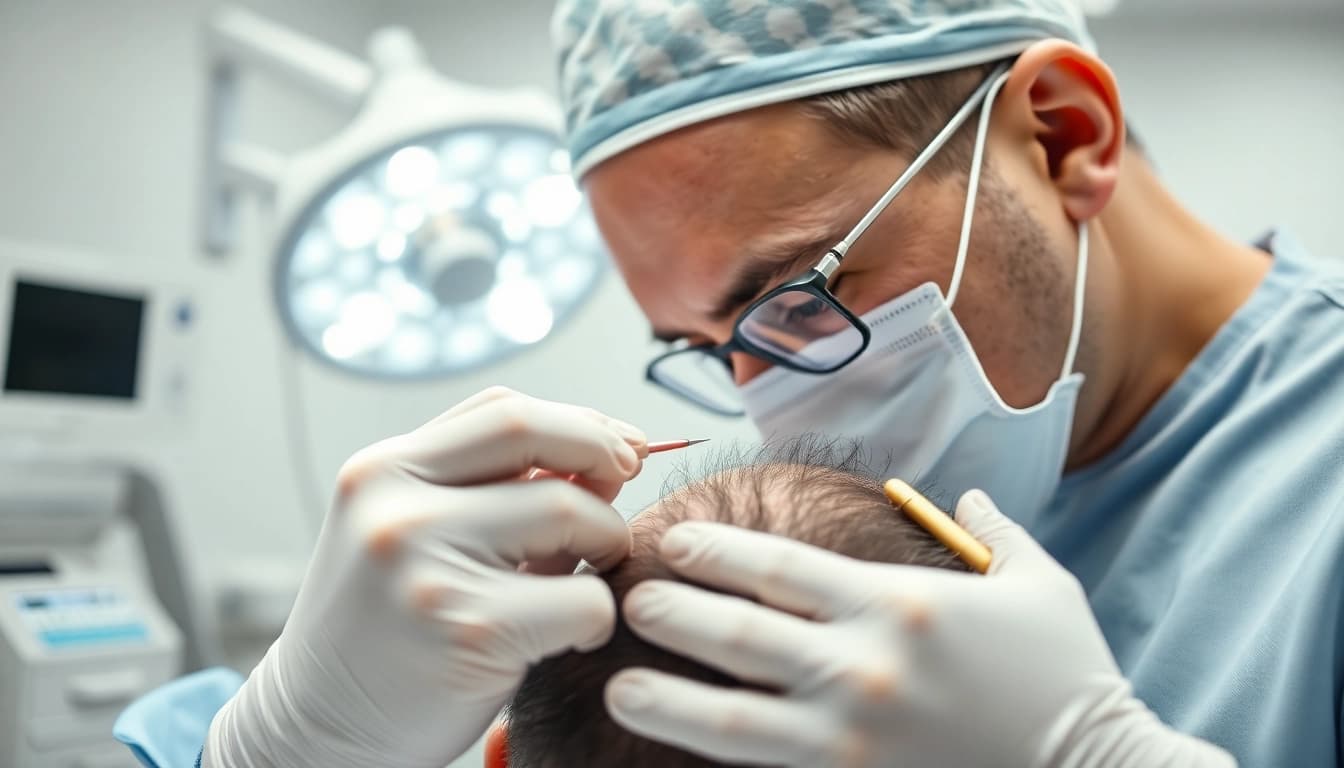
Patient receiving a hair transplant istanbul in a modern clinic, highlighting skilled surgical techniques.

Understanding Hair Transplant Istanbul

What is Hair Transplantation?

Hair transplantation is a surgical procedure that relocates hair follicles from a donor site, typically the back or sides of the scalp, to areas experiencing hair loss or thinning. This method has gained immense popularity due to its effectiveness in restoring hair and improving appearance. Utilizing advanced techniques, such as Follicular Unit Extraction (FUE) and Follicular Unit Transplantation (FUT), hair transplants enable patients to achieve natural-looking results. Interested individuals can explore further details about hair transplant istanbul for comprehensive insights.

Benefits of Hair Transplants

Hair transplants offer a range of benefits that extend beyond mere aesthetics. One of the most noteworthy advantages is the permanence of the results, as transplanted hair follicles are usually resistant to the effects of male or female pattern baldness, providing a long-term solution for hair loss. Other benefits include:

  • Natural Appearance: Skilled surgeons can ensure that the hairline and growth direction mimic natural hair.
  • Increased Confidence: Many patients report improved self-esteem and a more youthful appearance post-surgery.
  • Minimal Maintenance: Once the transplanted hair settles, it requires no special products or treatments to maintain its growth.

Types of Hair Transplant Techniques

Several advanced techniques are employed in hair transplantation, each with unique benefits and considerations:

  • FUE (Follicular Unit Extraction): This minimally invasive technique involves extracting individual hair follicles from the donor site and implanting them into the thinning areas. Patients typically experience less discomfort and scarring compared to other methods.
  • FUT (Follicular Unit Transplantation): In this traditional method, a strip of tissue containing hair follicles is removed from the donor area, then dissected into individual grafts. Although it may create a linear scar, it is often suitable for patients requiring larger grafts.
  • Direct Hair Implantation (DHI): A variation of FUE, DHI involves using a specialized pen-like tool for immediate insertion of harvested follicles into the scalp, allowing for greater control over depth and angle.

Preparing for Your Hair Transplant Istanbul

Consultation and Assessment

Before proceeding with a hair transplant, patients should undergo a thorough consultation and assessment. This process typically involves:

  • Medical History Review: The surgeon evaluates the patient’s medical history, including any previous hair loss treatments or surgeries.
  • Scalp Examination: A detailed examination of the scalp is essential to determine the extent of hair loss and the appropriate approach for treatment.
  • Discussion of Goals: Clearly articulating expectations and desired outcomes aids the surgeon in creating a customized treatment plan.

Pre-Procedure Guidelines

Several pre-procedure guidelines enhance the chances of a successful hair transplant:

  • Avoid Blood Thinners: Patients are generally advised to stop taking medications like aspirin or non-steroidal anti-inflammatory drugs (NSAIDs) that can increase bleeding. This is crucial for optimizing surgical outcomes.
  • Hydration and Nutrition: Staying hydrated and consuming a balanced diet can promote better healing and follicle health during recovery.
  • No Smoking or Alcohol: Avoiding tobacco and alcohol consumption in the weeks leading up to the procedure can enhance blood flow and reduce the risk of complications.

Cost Considerations for Surgery

The cost of hair transplant surgery in Istanbul can vary based on a variety of factors, including the chosen technique, the surgeon’s expertise, and the clinic’s reputation. On average, patients can expect to pay between $1,500 and $3,000. It is essential to consider these costs and the long-term value when deciding on this investment in personal care, especially when comparing it to routine alternative treatments.

The Hair Transplant Procedure

Step-by-Step Overview

The hair transplant procedure generally consists of several key steps:

  1. Preparation: The patient is made comfortable, and the scalp is cleaned and prepared for surgery.
  2. Anesthesia: Local anesthesia is administered to minimize pain during the procedure.
  3. Harvesting: Hair follicles are extracted using the selected technique, either through FUE or FUT.
  4. Implantation: The surgeon creates recipient sites in the thinning areas and implants the harvested follicles with precision.
  5. Post-Procedure Care: Instructions for care post-surgery are discussed to ensure optimal recovery.

What to Expect During Surgery

During the procedure, patients can expect to feel some level of discomfort, primarily due to the injections of local anesthesia. Once numb, most patients experience minimal pain during the graft extraction and implantation phases. Surgical times can vary; however, patients should be prepared for a duration of 4 to 8 hours, depending on the number of grafts required. Music or podcasts can help make the time pass more pleasantly for patients.

Post-Procedure Care

Following the surgery, post-procedure care is crucial for successful healing. Recommended care may include:

  • Avoiding direct sunlight: Protect the scalp from sun exposure for several weeks.
  • Medication: Taking prescribed medications to manage pain and prevent infection as advised by the surgeon.
  • Gentle Washing: Patients should follow specific washing instructions to avoid dislodging grafts.

Recovery and Results

Timeline for Hair Growth

Understanding the timeline for hair growth after a transplant can set realistic expectations. Initially, the transplanted hair may shed within 2-4 weeks, which is a normal part of the hair growth cycle. New hair growth typically begins to appear around three to four months, with full results becoming visible around the one-year mark. It is essential to remember that individual experiences can vary, influenced by factors like hair type and adherence to post-operative care.

Managing Side Effects

Patients may experience some side effects post-surgery, including swelling, redness, and mild discomfort. Adhering to post-care instructions assures optimal management of these effects. It’s vital to communicate with the surgical team for any persistent issues or concerns. Ice packs can alleviate swelling, while over-the-counter pain relief may be utilized as recommended by the surgeon.

Long-Term Maintenance Strategies

After the initial recovery period, long-term maintenance strategies can enhance the success of hair transplants:

  • Regular Checkups: Schedule regular follow-up appointments with the surgeon to monitor hair growth and health.
  • Maintain a Healthy Lifestyle: A balanced diet and regular exercise contribute to overall hair health.
  • Consider Additional Treatments: Some patients benefit from additional treatments like PRP (Platelet-Rich Plasma) therapy to enhance and maintain hair growth.

FAQs About Hair Transplant Istanbul

What is the average cost of a hair transplant in Istanbul?

The average cost of a hair transplant in Istanbul ranges from $1,500 to $3,000, depending on the technique and clinic.

How long does the procedure take?

The hair transplant procedure typically lasts between 4 to 8 hours, depending on the number of grafts required.

Is there any pain associated with the procedure?

Most patients report minimal pain during the procedure due to local anesthesia, with discomfort manageable post-surgery.

When will I see results after the surgery?

Hair growth starts to appear around three to four months after the procedure, with full results visible after one year.

Are there any risks involved in hair transplant surgery?

While risks are minimal, potential complications can include infection, scarring, or uneven hair growth, which should be discussed fully with a surgeon.