Posted on

Maximize Your Space with a Corner Shower Enclosure: Design and Installation Tips

Introduction to Corner Shower Enclosure

A corner shower enclosure is an innovative solution that transforms compact spaces into functional and stylish sanctuaries. This versatile design not only utilizes bathroom corners efficiently but also enhances aesthetics, making it a popular choice among homeowners and designers alike. In this article, we will explore the various dimensions, benefits, installation processes, and maintenance tips for corner shower enclosures.

What is a Corner Shower Enclosure?

A corner shower enclosure is a shower installation that fits snugly into a corner of the bathroom, allowing for optimum use of space. Available in various shapes, including square, rectangular, and neo-angle designs, this type of enclosure typically includes side panels and doors that slide or pivot open. This design innovation can make even the smallest bathrooms feel more spacious while offering a defined area for showering.

Benefits of Using a Corner Shower Enclosure

Choosing a corner shower enclosure has multiple benefits, enabling both functionality and aesthetics in bathroom design:

  • Space Efficiency: Ideal for small bathrooms, maximizing use of available corner space.
  • Increased Accessibility: The layout allows for easy access, making it convenient for users.
  • Variety of Designs: Corner shower enclosures are available in diverse styles to complement any décor.
  • Modern Aesthetic: Offers a contemporary look that can elevate the overall appeal of your bathroom.
  • Cost-Effective: Often more affordable than traditional full-sized shower installations.

Design Options Available

Corner shower enclosures come in various configurations and materials, including glass, acrylic, and tile. Popular options include:

  • Framed Designs: Features metal outlines that provide durability and stability.
  • Frameless Designs: Offers a sleek, modern look with minimal hardware, emphasizing glass clarity.
  • Different Shapes: Square, rectangles, and even angled or rounded designs can cater to unique bathroom layouts.

Considerations for Your Bathroom Layout

Before installing a corner shower enclosure, specific considerations must be taken into account to ensure optimal design and functionality.

Measuring Your Space

Accurate measurements of your bathroom space are crucial. Measure the height, width, and depth of the area where the shower will be installed, accounting for existing fixtures like sinks and toilets. If possible, draw a scale layout to visualize the arrangement.

Choosing the Right Size

Corners can support various shower sizes; however, consider the following when selecting one:

  • Standard sizes typically range from 32”x32” to 36”x36” and can be larger based on your space.
  • Ensure adequate space for door openings and access, as these can impact user comfort.

Understanding Plumbing Requirements

Before installation, it is essential to assess plumbing restrictions. Ensure:

  • Nearby water sources are accessible.
  • Drainage will be correctly placed to avoid water pooling.

Materials and Styles for Corner Shower Enclosures

The materials and styles chosen will significantly impact both the appearance and functionality of your corner shower enclosure.

Glass Types: Tempered vs. Laminated

Two common glass types used in shower enclosures are tempered and laminated glass:

  • Tempered Glass: Stronger and more durable, it can withstand higher temperatures and impact. If broken, it shatters into small pieces.
  • Laminated Glass: Two layers of glass are bonded with a plastic interlayer. This makes it safer as shards cling to the interlayer upon breakage.

Framed vs. Frameless Designs

When selecting a corner shower enclosure, you will largely choose between framed and frameless designs. Framed units provide additional support but can appear bulkier, while frameless designs create a clean look and offer a more open feel.

Color and Finish Options

Corner shower enclosures can come in varied finishes including polished chrome, brushed nickel, or matte black, allowing homeowners to select options that align with their bathroom’s style.

Installation Process for Corner Shower Enclosure

While it’s possible to install corner shower enclosures as a DIY project, hiring a professional can often save time and ensure a precise fit. Below are the critical steps for installation:

Preparing Your Bathroom

Start by clearing the installation area of any existing fixtures, and ensure the plumbing is in order. Clean the space thoroughly for a smooth installation process.

Steps for Professional Installation

  1. Begin by assembling all necessary materials and tools.
  2. Follow the manufacturer’s guidelines specific to the enclosure.
  3. Securely install wall panels to the substrate, ensuring everything is level and plumb.
  4. Install the door mechanisms last, ensuring they swing or slide smoothly.

Common Pitfalls to Avoid

While installing a corner shower enclosure, beware of some common mistakes:

  • Improper measurements leading to oversized or undersized enclosures.
  • Neglecting waterproofing measures, which can result in leaks.
  • Ignoring the necessity for ventilation to reduce mold growth inside the enclosure.

FAQs about Corner Shower Enclosure

What is the average cost of a corner shower enclosure?

The cost varies widely based on materials and size, generally ranging from $300 to over $1,200, including installation costs.

How do I clean and maintain my corner shower enclosure?

Use a non-abrasive cleaner regularly to prevent soap scum and mineral deposits. A squeegee can also help maintain the glass’s clarity after each use.

Can I install a corner shower enclosure myself?

Yes, if you’re handy and follow manufacturer instructions closely. However, professional installation is recommended to avoid mistakes that could lead to costly repairs.

Are corner shower enclosures good for small bathrooms?

Absolutely! They provide an efficient use of space, freeing up the main bathroom area for other uses while adding modernity to the design.

What are the design styles available for corner shower enclosures?

Options include modern frameless models, classic framed designs, and various shapes like neo-angle or quadrant for unique layouts.
Posted on

Enhancing Your Bathroom Space with a Sliding Door Shower Screen

What is a Sliding Door Shower Screen?

Definition and Overview

A sliding door shower screen is a contemporary shower enclosure that features two or more panels that glide along tracks, allowing easy access to the shower space without the need for outward opening. Unlike traditional hinged doors, sliding door systems are designed to save space and enhance the aesthetic of a bathroom. These screens can be made from various materials including tempered glass, acrylic, or polycarbonate, each offering different benefits in terms of durability and style. For those looking to add efficiency and elegance to their bathing space, a sliding door shower screen is an excellent choice.

Types of Sliding Door Shower Screens

Sliding door shower screens can be categorized based on their design and functionality:

  • Framed Sliding Shower Screens: These models have an aluminum frame that supports the glass panels, providing structural integrity and stability.
  • Frameless Sliding Shower Screens: These are sleek and modern, often using thicker glass without framing for a minimalist look. They allow for greater light penetration and an open feel.
  • Bi-Pass Sliding Shower Screens: Designed with two sliding panels, these screens can be opened from one side or both, reminiscent of closet doors, making them quite versatile.
  • Walk-In Sliding Shower Screens: These designs typically feature a fewer number of doors and often integrate with the overall bathroom design, providing an unobstructed flow into the shower space.

Key Features and Benefits

Opting for a sliding door shower screen comes with numerous advantages that enhance both function and style:

  • Space Efficiency: Perfect for smaller bathrooms, sliding doors eliminate the need for extra space to open, allowing you to maximize the available area.
  • Sleek Aesthetic: The clean lines and modern design of sliding doors can elevate the overall look of your bathroom.
  • Convenience: The ease of use when opening and closing sliding doors makes them user-friendly for people of all ages.
  • Water Containment: Properly installed sliding screens prevent water from splashing out, keeping the bathroom floor dryer and safer.

Why Choose a Sliding Door Shower Screen?

Space Optimization

When space is at a premium, every square inch counts. Sliding door shower screens offer a brilliant solution to tight quarters. Traditional doors require ample clearance to swing open, while sliding screens glide along tracks, freeing up valuable floor space. This feature is particularly advantageous in smaller homes or apartments where dimensions are limited.

Design Flexibility

Sliding door shower screens come in various designs, materials, and finishes, making them adaptable for any style, whether modern, traditional, or eclectic. The ability to choose between framed or frameless options, as well as different glass textures—clear, frosted, or patterned—allows homeowners to customize their shower enclosure to match their personal aesthetic effectively.

Ease of Use

For individuals with mobility challenges or families with young children, sliding door shower screens simplify entry and exit. The absence of a swinging door minimizes the risk of banging into walls or furniture, making it a safer alternative for all users. Moreover, the smooth gliding mechanism is generally easier to operate compared to cumbersome hinged doors. This ease of use is especially beneficial in high-traffic bathrooms.

Installation of Sliding Door Shower Screens

Preparation and Planning

Before installation, it is vital to plan carefully. Measure the shower space accurately and choose a sliding door shower screen that fits those measurements, assessing both height and width. Additionally, consider the hardware options and the opening direction of the doors. Gather all necessary tools such as a level, drill, tape measure, and sealant. It may also be wise to enlist a professional for the installation, especially for frameless designs to ensure a perfect fit with no leaks.

Step-by-Step Installation Process

  1. Prepare the Area: Ensure that the area where the screen will be installed is clean and free of obstructions.
  2. Mark Measurements: Use a level to ensure your measurements are precise, and mark the location for the tracks on the wall.
  3. Install the Bottom Track: Secure the bottom track to the floor using appropriate screws, ensuring it is level.
  4. Attach the Wall Track: Similarly, install the wall track at the top, ensuring it aligns perfectly with the bottom track.
  5. Insert Glass Panels: Carefully insert the glass panels into the tracks and secure them according to the manufacturer’s guidelines.
  6. Final Adjustments: Test the screening for smooth operation and make any necessary adjustments to the roller mechanisms.
  7. Seal All Edges: Finally, apply a silicone sealant around the edges to prevent any leaks and provide a polished finish.

Common Installation Mistakes

While installing a sliding door shower screen may seem straightforward, several pitfalls can compromise the final outcome:

  • Incorrect Measurements: Always double check measurements. Incorrect dimensions can lead to a poor fit.
  • Neglecting to Level: Tracks need to be level for the panels to slide smoothly; failing to do this can result in frustrating performance issues.
  • Improper Sealing: Inadequate sealing can lead to leaks and increased water damage in the surrounding areas.
  • Forgetting Clearance Space: Make sure to account for any fixtures that may obstruct the door’s movement.

Maintenance Tips for Sliding Door Shower Screens

Cleaning and Care

Regular maintenance is key to keeping your sliding door shower screen looking and functioning like new. Use a soft cloth with a mild detergent or vinegar solution to regularly wipe down the glass to prevent soap scum and mineral deposits. Avoid using abrasive cleaners or sponges that could scratch the surface.

Preventing Water Damage

Ensure that the caulking around the sliding door screen remains intact to prevent moisture from seeping into walls or flooring, which can cause mold and mildew. Regularly inspect the seals and replace them if they show signs of deterioration.

Extending Lifespan and Performance

For optimal performance, ensure the rollers and tracks are free from debris. Periodically lubricating roller mechanisms can facilitate smoother operation over time. This simple maintenance will not only extend the lifespan of the sliding door shower screen but also enhance your daily bathing experience.

Frequently Asked Questions

What are the costs associated with sliding door shower screens?

The cost can vary widely, typically ranging from $700 to $2,000 depending on materials and installation complexity.

Are sliding door shower screens suitable for small bathrooms?

Yes, they are ideal for smaller spaces due to their space-efficient design that does not require extra clearance for door swings.

How do I maintain my sliding door shower screen?

Regular cleaning with mild soap, checking sealants for leaks, and lubricating tracks can help maintain functionality and appearance.

Can I install a sliding door shower screen myself?

While DIY installation is possible, it’s encouraged to hire a professional for frameless designs or if you’re unsure about the process.

What materials are best for sliding door shower screens?

Tempered glass is recommended for durability and safety, while framed designs offer added stability and structural support.

Posted on

Crafting Elegant Bathrooms: Design Tips for a Luxurious Retreat

Understanding Elegant Bathrooms

Creating elegant bathrooms is an art that combines functionality with aesthetic appeal. The essence of elegance in bathroom design is rooted in the thoughtful selection of materials, colors, and fixtures. It is about crafting a space that is not only visually appealing but also promotes relaxation and comfort.

What Defines Elegance in Bathroom Design?

Elegance in bathroom design is defined by a harmonious blend of simplicity and luxury. It reflects a sense of tranquility and sophistication, characterized by clean lines, high-quality materials, and minimalist decor. From opulent marble countertops to beautifully crafted faucets, every detail contributes to a cohesive and elegant atmosphere.

Key Elements of Elegant Bathrooms

Several key elements can elevate a bathroom from ordinary to elegant:

  • Quality Materials: The choice of materials sets the tone for elegance. Natural stones, high-grade woods, and polished metals can add a luxurious feel.
  • Functional Layout: An efficient layout ensures that the space feels open and organized, enhancing the overall aesthetic.
  • Stylish Fixtures: Elegant faucets, sinks, and lighting fixtures can serve as artistic focal points within the space.
  • Textile Choices: Soft towels, plush rugs, and beautiful curtains help layer the design while adding comfort.

Color Palettes that Enhance Elegance

Color plays a pivotal role in the perception of elegance. Softer, neutral hues such as whites, creams, and light greys promote a clean, airy atmosphere. These colors can be complemented with deeper accent tones for added depth. Natural elements, such as wood accents or green plants, also seamlessly integrate with elegant color palettes, bringing warmth and life to the space.

Design Tips for Elegant Bathrooms

Optimal Layouts for Space Efficiency

To maximize functionality while maintaining an elegant aesthetic, consider the following layout strategies:

  • Zoned Layout: Create designated areas for vanity, bathing, and showering to avoid clutter.
  • Open Space: Use large mirrors and glass shower enclosures to create an illusion of spaciousness.
  • Custom Features: Built-in shelving or cabinetry can efficiently utilize space while contributing to a streamlined look.

Choosing High-Quality Materials

Investing in high-quality materials is essential for both durability and elegance. Consider options such as:

  • Marble or Quartz Countertops: Both provide a luxurious surface that can endure moisture.
  • Porcelain Tile: A highly durable and low-maintenance option for walls and flooring.
  • Brass or Chrome Fixtures: Choose finishes that complement your color scheme, adding a refined touch.

Incorporating Luxurious Fixtures

Fixtures serve as the jewelry of a bathroom. Select items such as:

  • Freestanding Tubs: These can become stunning centerpieces, evoking spa-like luxury.
  • Rainfall Showers: A showerhead designed to mimic natural rain adds an elegant touch to the bathing experience.
  • Stylish Vanities: Consider ornate designs or minimalist styles, depending on the overall theme of your bathroom.

Trendy Styles for Elegant Bathrooms

Modern vs. Classic Elegance

Understanding the differences between modern and classic elegance can help you decide on a style that suits your taste. Modern elegance favors clean lines, bright spaces, and functionality, while classic elegance emphasizes ornate details, traditional shapes, and a more muted color palette.

Integrating Minimalist Designs

Minimalism embraces the philosophy of ‘less is more.’ It focuses on using a few essential elements that must serve a dual purpose: function and aesthetics. By reducing clutter and limiting the number of decorations, minimalist designs create a peaceful and sophisticated bathroom environment.

Ideas for Small Spaces

Making a small bathroom feel elegant requires clever design choices. Consider techniques such as:

  • Mirrors: Use large mirrors to visually expand the space.
  • Light Colors: Stick to light palettes to enhance openness.
  • Floating Fixtures: Floating vanities and shelves can open up floor space, making the room feel roomier.

Lighting Solutions for Elegant Bathrooms

Natural Light: Creating Bright Spaces

Incorporating natural light into a bathroom not only brightens the space but also enhances its elegance. Use skylights or large windows wherever possible, and consider frosted glass for privacy without sacrificing light.

Layering with Ambient and Task Lighting

Effective lighting design involves layering different types of light. Ambient lighting provides overall illumination, while task lighting is essential around mirrors for grooming and makeup. Dimmable lights can also add versatility, allowing you to change the mood as desired.

Focal Points: Lighting Fixtures that Dazzle

Statement lighting fixtures can serve as the centerpiece of your bathroom. Chandeliers, unique sconces, or artistic pendant lights can all be used to enhance the elegant ambiance. Choose fixtures that reflect your style while harmonizing with your bathroom’s design.

Maintenance Tips for Elegant Bathrooms

Cleaning Strategies for Longevity

Caring for your elegant bathroom ensures it remains beautiful and functional. Regular cleaning with gentle, non-abrasive products can maintain the luster of surfaces. Schedule deep cleaning sessions to prevent buildup of grime, especially in humid environments.

Preventative Care for Fixtures

To prolong the life of fixtures, ensure proper ventilation and humidity control. Regularly check and replace caulk in shower areas to avoid water damage. Use mild cleaning solutions for faucets to prevent tarnishing and corrosion.

Seasonal Upgrades for Fresh Looks

Refreshing your bathroom seasonally can enhance its elegance. This could entail changing linens, adding seasonal decor, or making small upgrades like new light fixtures. Seasonal changes can make the space feel alive and well cared for.

Frequently Asked Questions

What makes a bathroom elegant?

Elegant bathrooms often feature high-quality materials, neutral color schemes, and thoughtful design elements that create a luxurious atmosphere. Incorporating natural stone and stylish fixtures enhances the overall elegance.

Is $10,000 enough for a bathroom remodel?

While $10,000 may cover cosmetic updates, a complete remodel often requires a larger budget due to rising material and labor costs. Prioritize investments based on your specific goals for the space.

How to choose colors for elegant bathrooms?

Opt for soft, neutral colors to create a calm atmosphere. White, beige, and muted greys work well, paired with subtle accent colors to add depth. Natural elements can provide cohesion and warmth.

What lighting options are best for elegant bathrooms?

Layering lighting is key; utilize ambient light for overall illumination, wall sconces for softer light, and statement fixtures to enhance the design of your elegant bathroom.

How can I make my small bathroom feel elegant?

Incorporate light colors and mirrors to create an illusion of space. Sleek designs, quality fixtures, and a few decorative elements can elevate the overall aesthetics of a small bathroom.

Posted on

Elevate Your Space: Exquisite Interior Design Dubai for Luxurious Living

Understanding Interior Design Dubai Trends

As a vibrant metropolis, Dubai boasts a rich and eclectic blend of cultures and influences that shape its interior design landscape. The evolution of interior design in this city reflects its dynamic growth, offering a unique perspective that draws both inspiration and practicality from its surroundings. Discovering the nuances of interior design dubai can unlock a plethora of ideas and opportunities for home and commercial spaces alike.

The Evolution of Interior Design in Dubai

Dubai’s interior design scene has transformed dramatically over the years, mirroring the city’s rapid expansion from a small fishing village to a global hub for tourism, business, and innovation. Initially influenced by traditional Arabic design, characterized by intricate carvings and ornate patterns, Dubai’s designs have evolved to incorporate contemporary styles that embrace minimalism and high functionality.

The fusion of modern architecture with traditional elements is evident in many residential and commercial projects. This blending creates spaces that are not only visually stunning but also reflective of the Emirati culture and hospitality. Architects and designers are increasingly focusing on sustainable design principles, making use of eco-friendly materials to reduce environmental impacts while enhancing aesthetic appeal.

Current Popular Styles in Dubai’s Interior Design

Today, the most popular interior design styles in Dubai range from modern and contemporary to opulent and luxurious. Minimalism emphasizes clean lines, open spaces, and a focus on functionality. This style often uses neutral colors, sleek furniture, and smart technology, aiming to create a clutter-free environment.

On the other hand, the luxurious style embraces lavish details, rich textures, and a use of vibrant colors. This approach draws inspiration from global trends while interspersing local heritage elements, resulting in spaces that feel both exclusive and welcoming. Top-tier designers are skilled at realizing these visions, ensuring each space meets the unique needs and desires of their clients.

How Culture Influences Design Choices in Dubai

Culture plays a significant role in shaping design choices in Dubai. The merging of Western and Eastern influences leads to an aesthetic that is both diverse and rich. For instance, motifs and patterns derived from Arabic heritage often feature prominently in modern designs, serving as a nod to the region’s history while catering to contemporary tastes.

Furthermore, social traditions and hospitality customs influence how spaces are designed. Open floor plans that facilitate gatherings, along with areas dedicated to luxury entertainment, reflect the importance of communal living in Emirati culture. This cultural awareness not only personalizes spaces but also ensures functionality aligns with lifestyle needs.

Key Elements of Interior Design Dubai

Importance of Color Schemes in Home Design

Color schemes are vital in setting the mood and tone of interior spaces. In Dubai’s hot climate, lighter color palettes are often favored to create a cool and airy feel within a home. Whites, creams, soft blues, and greens evoke a sense of calmness and tranquility, making them ideal for residences aiming to provide a retreat from the outside heat.

Alongside these paler shades, bolder accents in jewel tones or metallics can be strategically used to create focal points within the design. For example, incorporating deep reds, emerald greens, or rich golds can bring warmth and luxury to a space, enhancing areas such as dining rooms or living areas where socializing is key.

Choosing the Right Furnishings for Your Space

Selecting the right furnishings is essential in achieving a harmonious interior design. In Dubai, where luxury is a prominent theme, the choice of furniture often includes high-end pieces that reflect style and comfort. Understanding the scale and functionality of each item is critical to ensure the furniture fits well within the intended space.

Additionally, the use of local artisans can impart uniqueness to designs, with custom pieces crafted to meet specific needs, further enhancing authenticity. Comfort should be balanced with aesthetics, allowing for an inviting environment that encourages relaxation and social interaction.

Lighting Techniques to Enhance Ambiance

Lighting can dramatically transform the perception and ambiance of any room. In Dubai, where natural light is abundant, integrating this resource effectively alongside artificial lighting can enhance the overall feel of a space. Layering lighting involves combining ambient, task, and accent lighting for a well-rounded approach.

Using dimmable fixtures allows flexibility in setting the desired mood, from bright and lively during the day to soft and intimate in the evening. Innovative designs also utilize smart lighting systems that can be programmed to adjust light intensities and colors, adapting to the user’s needs throughout the day.

Hiring Professionals for Interior Design Dubai

What to Look for in a Designer

Choosing the right interior designer is pivotal in bringing any vision to life. Essential qualities to consider include creativity, a strong portfolio, and the ability to work within a defined budget. Communication is also crucial; a designer should listen actively to your ideas and preferences, translating them into practical designs that reflect your lifestyle.

Furthermore, understanding local trends and regulations can greatly benefit the design process. Designers familiar with the specific needs and tastes of Dubai’s diverse clientele will ensure that your project is both innovative and compliant with local standards.

Budgeting for Your Interior Design Project

Creating a well-defined budget is fundamental before commencing any interior design project. Costs can vary significantly based on the scope of work, materials selected, and complexity of the design. It’s advisable to allocate funds not just for furniture and decoration but also for labor, permits, and unexpected expenses that may arise.

Discussing your budget openly with your designer can lead to more tailored recommendations and help avoid any financial pitfalls during the project. Ensuring transparency will facilitate a smoother process and foster collaboration.

Communicating Your Vision Effectively

Effective communication is key to successful collaboration with an interior designer. Articulating your vision involves sharing inspirations, preferences, and any specific requirements that must be met. Utilizing visual aids such as Pinterest boards or mood boards can help in conveying your desires clearly.

Regular check-ins and discussions throughout the design process will also help to keep the project aligned with your expectations while allowing the designer to offer insights and suggestions based on their expertise.

DIY Tips for Interior Design Dubai

Incorporating Personal Style into Design

Incorporating personal style into your interior design can yield unique results that resonate with your personality. Start by assessing your likes and dislikes visually; consider color preferences, patterns, and textures that appeal to you. Integrating these elements into your space can be achieved through art, accessories, and personalized furnishings.

A balance between personal touch and overall coherence is essential. Ensure that the chosen pieces complement one another, creating a stylish yet comfortable atmosphere that tells your story.

Easy Upgrades for a Fresh Look

Small changes can significantly enhance your space’s look without requiring a complete redesign. Consider easy upgrades such as swapping out hardware, adding new decorative pillows, or incorporating fresh plants for a burst of color. Painting a single wall or updating light fixtures can offer a fresh perspective without overwhelming your budget.

Decorative accessories, such as wall art or stylish rugs, can also breathe new life into a room, reflecting current trends while keeping the essence of your personalized space intact.

Common Mistakes to Avoid in DIY Design

When tackling your interior design project, common pitfalls may arise. One frequent mistake is over-furnishing spaces, leading to clutter and a cramped atmosphere. Prioritizing function over aesthetic can also detract from the overall experience of the space. Ensure that each piece of furniture serves a purpose and contributes to the overall design.

Failing to consider lighting is another common error. Poor lighting can diminish the appeal of even the most beautifully designed space. Always aim to layer your lighting and utilize it effectively to showcase your interior’s best features.

Measuring Success in Your Interior Design Dubai Project

Evaluating Feedback and Assessing User Experience

Success in interior design goes beyond aesthetics. Continuous evaluation and gathering feedback from users can provide invaluable insights into how well the space meets their needs. Consider aspects such as comfort, functionality, and overall satisfaction to determine the effectiveness of the design.

Surveys or casual conversations can uncover areas for improvement and ensure that the design continuously evolves to meet the changing needs of its inhabitants.

Long-Term Maintenance Considerations

Long-term maintenance is a crucial factor in sustaining the beauty and functionality of interior design. Utilize durable materials and finishes that withstand wear and tear, especially in high-traffic areas. Regular upkeep, such as cleaning and minor repairs, is essential to maintain a fresh appearance.

Plan for periodic redesign updates to refresh the space while adhering to your original vision. Keeping abreast of new trends can offer inspiration for evolving your design without a complete overhaul.

How to Adapt Your Space Over Time

Flexibility is key in interior design, allowing you to adapt the space as your needs change. Consider modular furniture or adaptable decor that can be easily rearranged or updated as preferences shift or family dynamics change.

Maintaining a core design philosophy while allowing for change can lead to a space that feels both timeless and relevant, ensuring longevity in your interior design approach.

Frequently Asked Questions

How much do interior designers charge in Dubai?

The cost varies widely based on project scope. Typically, interior designers charge between AED 50 to AED 300 per square foot, depending on the complexity of the work and the designer’s experience.

What styles are trending in Dubai’s interior design?

Current trends feature a mix of modern, minimalistic styles alongside luxurious designs incorporating bold colors and rich textures. Sustainable and eco-friendly designs are also gaining popularity.

How long does an interior design project take in Dubai?

Project timelines can vary greatly based on size and complexity. Generally, residential projects can take between 2 to 6 months to complete, while commercial projects may take longer due to regulations and scale.

Can I work with a designer remotely in Dubai?

Yes, many interior designers in Dubai offer virtual consultations and services, allowing clients to collaborate from anywhere. This can streamline communication and make the design process more flexible.

What do I need to prepare for an initial meeting with a designer?

Prepare a clear idea of your style, budget, and any inspirations you have. Bringing materials like swatches, photos, and initial sketches can help convey your vision effectively during the meeting.

Posted on

Aperçus essentiels sur le carrelage imitation parquet pour 2025

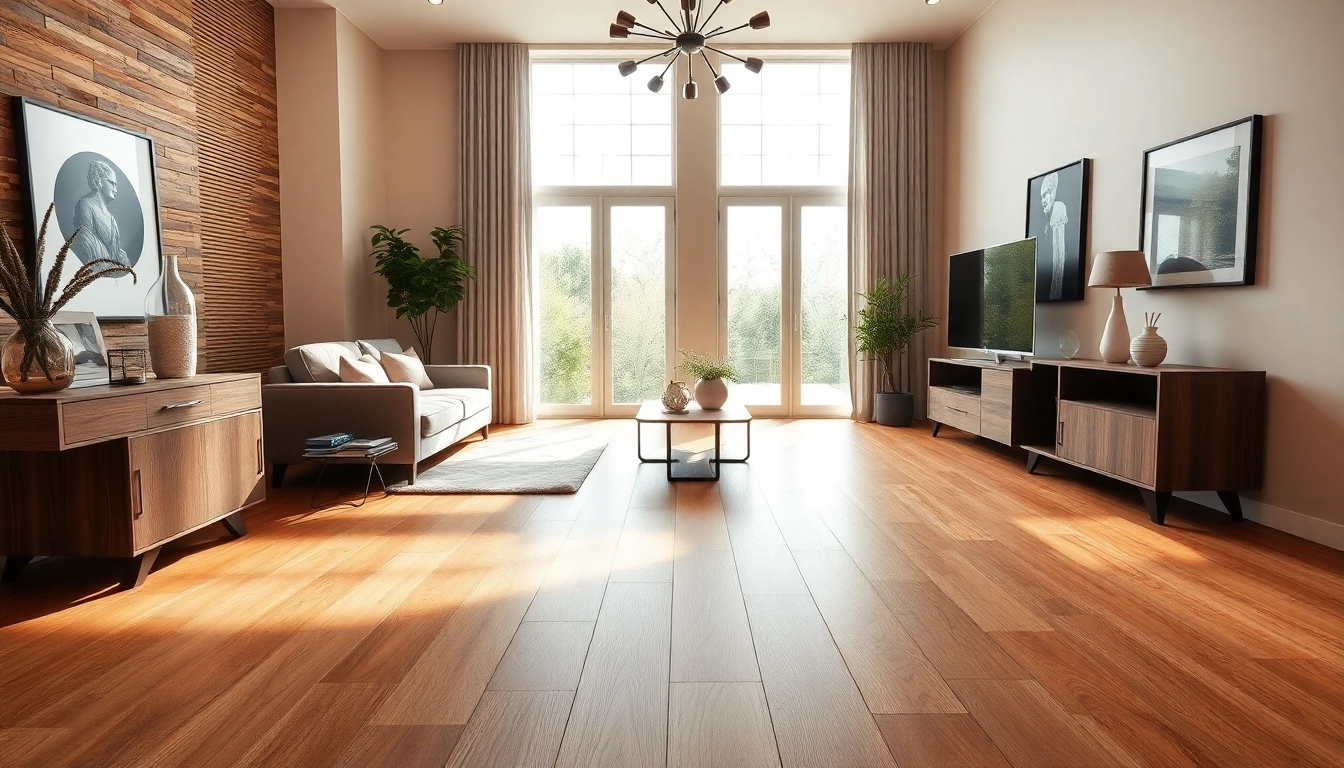
Le carrelage imitation parquet crée un espace intérieur chaleureux et accueillant avec des meubles élégants.

Comprendre le carrelage imitation parquet

Le monde de la décoration d’intérieur a vu émerger une tendance phare : le carrelage imitation parquet. Ce revêtement, qui allie l’esthétisme chaleureux du bois à la robustesse et à la facilité d’entretien du carrelage, est devenu un choix prisé pour de nombreux espaces. Que ce soit dans les salons, cuisines, ou salles de bains, il offre une solution idéale pour les amateurs de design qui recherchent une ambiance accueillante sans les inconvénients du bois naturel. Lors de votre recherche d’options, carrelage imitation parquet vous propose une gamme variée de choix pour répondre à vos besoins spécifiques.

Qu’est-ce que le carrelage imitation parquet ?

Le carrelage imitation parquet est un type de revêtement de sol qui reproduit l’apparence du parquet en bois. Fabriqué à partir de matériaux tels que le grès cérame, ce type de carrelage se décline en différents formats, textures et couleurs pour imiter fidèlement le bois. Il présente l’avantage d’être plus résistant à l’humidité et aux rayures, ce qui le rend idéal pour des pièces susceptibles d’utilisation intensive.

Les principaux avantages du carrelage imitation parquet

  • Durabilité : Contrairement au parquet, le carrelage imitation parquet ne se déforme pas et résiste aux chocs et aux taches.
  • Entretien facile : Un simple passage avec un nettoyeur humide suffit pour préserver son éclat.
  • Résistance à l’humidité : Parfait pour des pièces comme la cuisine ou la salle de bains où l’humidité est plus présente.
  • Variété de styles : Vous pouvez choisir parmi une large gamme de motifs et de finitions qui correspondent à votre style de décoration.

Différences entre le parquet et le carrelage imitation parquet

Alors que le parquet est souvent perçu comme un matériau noble, le carrelage imitation parquet présente plusieurs différences notables. Le bois nécessite un entretien régulier, comme le ponçage et le vernissage, alors que le carrelage imitation parquet est presque exempt de ces exigences. De plus, en termes de coût, le carrelage peut représenter une option plus économique sur le long terme, en raison de sa durabilité accrue.

Choisir le bon style et design

Choisir le bon style et design pour votre carrelage imitation parquet est une étape cruciale dans la création d’un espace harmonieux. Le choix doit tenir compte de l’ambiance que vous souhaitez instaurer ainsi que des dimensions et de la lumière naturelle de la pièce.

Tendances populaires du carrelage imitation parquet

Les tendances de 2025 mettent en avant des textures plus variées, imitant non seulement le bois classique, mais également des finitions plus audacieuses comme le bois vieilli ou le bois blanchi. Ces styles sont parfaits pour créer une ambiance à la fois moderne et chaleureuse.

Palettes de couleurs et motifs à considérer

Les palettes de couleurs jouent un rôle fondamental dans le choix de votre carrelage imitation parquet. Les teintes naturelles comme le chêne clair, le noyer foncé, ou encore les motifs en chevron sont très tendanciels. Ils permettent d’apporter une touche élégante tout en s’intégrant facilement dans n’importe quel décor.

Combiner les styles : Moderne et traditionnel

Il est également possible de combiner des styles modernes et traditionnels. Par exemple, un carrelage imitation parquet de couleur claire associé à des meubles en bois foncé peut créer un contraste visuel très agréable et dynamique.

Processus d’installation et meilleures pratiques

Pour assurer une installation réussie de votre carrelage imitation parquet, il est essentiel de suivre quelques étapes clés et de connaître les différentes méthodes d’installation disponibles.

Pose DIY vs pose professionnelle : avantages et inconvénients

La pose DIY peut être une option économique, mais elle nécessite une bonne préparation et des compétences de base en bricolage. D’un autre côté, faire appel à un professionnel garantit une installation de qualité, mais cela peut représenter un coût supplémentaire. Pesez le pour et le contre en fonction de votre budget et de votre niveau de compétence.

Préparer votre espace pour l’installation

Avant l’installation, il est crucial de préparer votre espace. Cela inclut la vérification du niveau du sol, le nettoyage minutieux de la surface et la planification du schéma de pose. Un bon repérage peut prévenir des erreurs coûteuses.

Erreurs courantes à éviter lors de l’installation

Parmi les erreurs fréquentes, on trouve un mauvais alignement des carreaux et l’oubli de laisser un joint de dilatation. La prise de mesures précises et l’utilisation de matériel adapté sont essentielles pour éviter ces problèmes.

Conseils d’entretien pour la longévité

L’entretien de votre carrelage imitation parquet est essentiel pour assurer sa durabilité et son esthétique au fil du temps.

Nettoyage et entretien du carrelage imitation parquet

Pour nettoyer votre carrelage imitation parquet, privilégiez un balai doux ou un aspirateur pour éliminer la poussière, suivi d’un nettoyage avec un produit adapté. Évitez les produits chimiques trop agressifs qui pourraient ternir la finition du carrelage.

Prévenir les dommages et l’usure

Utilisez des patins sous les meubles pour éviter les rayures et ne traînez jamais d’objets lourds sur le sol. Une attention particulière à ces détails peut prolonger considérablement la vie de votre revêtement.

Guide d’entretien saisonnier

Pensez à effectuer un nettoyage en profondeur au changement des saisons pour éliminer toute saleté accumulée et maintenir l’apparence de votre carrelage. Cela inclut le traitement des joints et un réexamen des surfaces pour détecter des signes d’usure.

Tendances et innovations futures

Le secteur du carrelage imitation parquet continue d’évoluer, avec l’émergence de nouvelles tendances et innovations qui promettent d’enrichir encore plus votre expérience d’achat et d’utilisation.

Matériaux durables dans le carrelage imitation parquet

Des matériaux plus respectueux de l’environnement, comme le carrelage en grès cérame recyclé, prennent leur essor. Ce type de carrelage non seulement réduit l’impact environnemental, mais offre également des performances comparables aux options traditionnelles.

Avancées technologiques dans les revêtements de sol

Les innovations technologiques permettent aujourd’hui d’améliorer la durabilité et l’esthétique des carrelages. En 2025, attendez-vous à voir davantage de carreaux dotés de surfaces anti-dérapantes et résistantes aux taches.

Prévisions pour le carrelage imitation parquet en 2025 et au-delà

À l’horizon 2025, le carrelage imitation parquet continuera de gagner en popularité. Les consommateurs rechercheront des options qui combinent esthétique, durabilité et facilité d’entretien, établissant ainsi le carrelage imitation comme un choix incontournable dans le domaine de la décoration intérieure.