Understanding Crawl Space Restoration
What is Crawl Space Restoration?
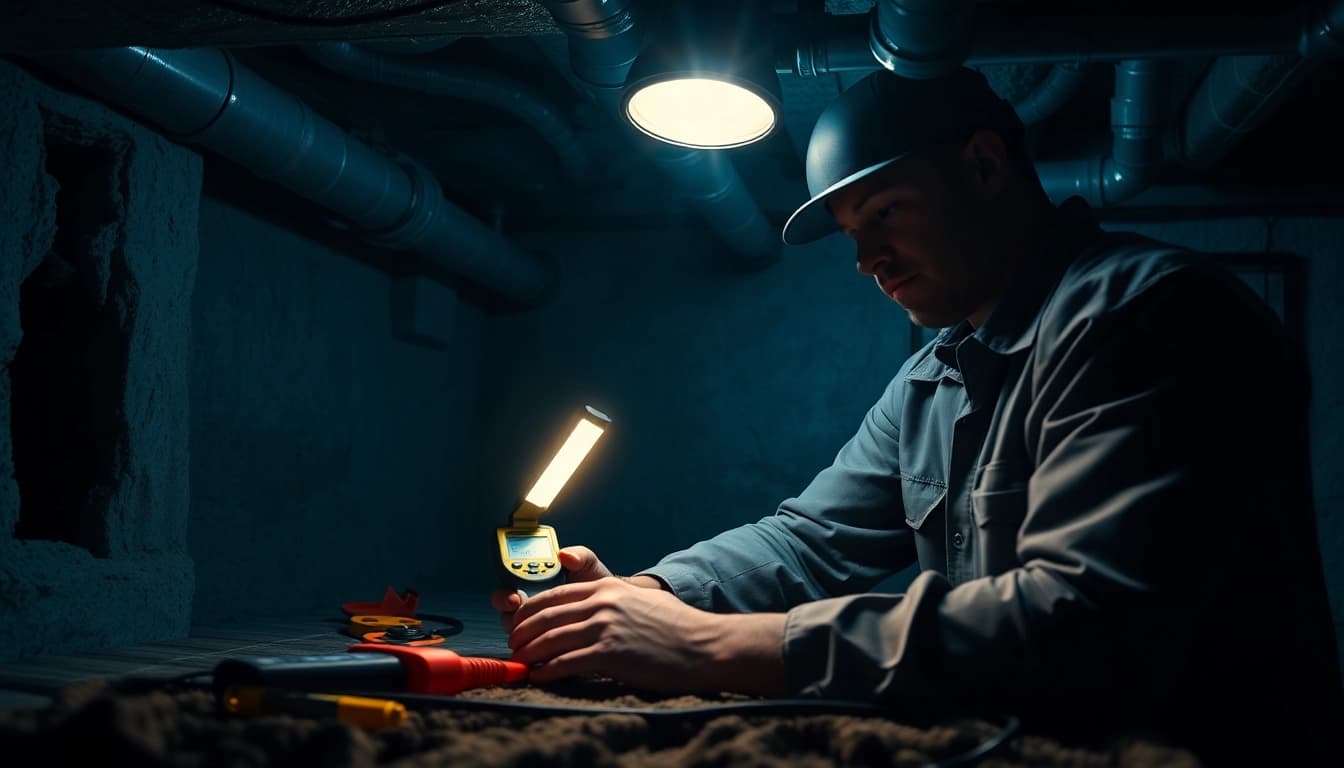
Crawl space restoration refers to the process of repairing and revitalizing the area beneath a home that often remains out of sight. This typically includes addressing moisture issues, mold problems, structural repairs, and improving insulation and ventilation. The restoration process is crucial for maintaining the overall health of a home and ensuring that the living space above remains safe and secure. Effective Crawl Space Restoration can involve multiple steps, necessitating the expertise of professionals to identify and rectify underlying issues.
Importance of Crawl Space Restoration
The importance of crawl space restoration cannot be overstated. A well-maintained crawl space plays a critical role in a home's structural integrity and indoor air quality. Neglecting this area can lead to serious issues that extend beyond the crawl space itself, affecting the entire property. These issues may include:
- Health Risks: Mold spores and allergens can proliferate, posing respiratory risks to inhabitants.
- Structural Damage: Excessive moisture can weaken floor joists and beams, leading to significant structural repairs.
- Energy Efficiency: Poor insulation can lead to increased energy costs as heating and cooling systems work harder.
By investing in crawl space restoration, homeowners can ensure their property remains safe, healthy, and energy-efficient.
Common Issues in Crawl Spaces
Crawl spaces are particularly vulnerable to a variety of issues, mainly due to their location and lack of frequent monitoring. Some common problems that necessitate restoration include:
- Moisture Accumulation: Often stemming from groundwater seepage or a high water table, excessive moisture can lead to a cascade of issues.
- Mold and Mildew: Flourishing in damp conditions, mold and mildew can cause extensive damage to building materials and present health risks.
- Pest Infestations: A damp and poorly ventilated crawl space can attract rodents, termites, and other pests, leading to further structural damage.
- Insufficient Insulation: A lack of insulation can lead to energy inefficiencies, making homes uncomfortable and costly to heat or cool.
Signs You Need Crawl Space Restoration
Visible Water Damage
One of the most telling signs that your crawl space needs restoration is visible water damage. This could manifest as water stains on the walls, puddles on the ground, or even rust on metal structures. Homeowners should investigate these signs promptly, as standing water can lead to mold growth, wood rot, and attract pests.
Mold and Mildew Growth
If you notice mold or mildew in the crawl space, it's essential to act quickly. Mold not only damages building materials but can also affect the indoor air quality of your home. Dark, damp corners are usually the breeding grounds for mold, so this issue should never be ignored.
Unpleasant Odors
Unpleasant, musty odors emanating from your crawl space can indicate significant problems. These smells are often associated with mold growth or stagnant water and can permeate the entire house, affecting indoor air quality. If your home has persistent odors, it may be time for a professional assessment.
Crawl Space Restoration Techniques
Moisture Control Measures
Effective moisture control is the first step in crawl space restoration. This includes installing vapor barriers, improving drainage systems, and utilizing sump pumps to remove excess water. Additionally, homeowners may consider grading their yard to direct water away from the foundation. These measures collectively help to mitigate the risk of moisture accumulation, keeping the area dry and preventing mold growth.
Insulation and Ventilation Enhancements
To enhance energy efficiency and comfort in the home, it's vital to address insulation and ventilation in the crawl space. Proper insulation can prevent heat loss, while effective ventilation allows for air circulation that can help reduce humidity levels. Sprayed foam insulation or rigid insulation boards can offer effective options to consider during the restoration process.
Structural Repairs
Structural deterioration due to moisture can lead to serious safety hazards. During restoration, it may be necessary to repair or replace damaged joists, beams, and flooring. Engaging with a qualified contractor who can assess and perform necessary structural repairs is critical for ensuring the long-term stability of your home.
Choosing a Crawl Space Restoration Service
What to Look For in a Contractor
When selecting a crawl space restoration service, homeowners should look for contractors with experience and positive reviews. It’s essential to verify qualifications, certifications, and insurance coverage. Check if the contractor follows industry best practices and uses high-quality materials for any repairs or improvements.
Questions to Ask
Before hiring a restoration contractor, homeowners should ask a few essential questions:
- What is the estimated timeframe for the restoration?
- Can you provide references from previous clients?
- What warranties or guarantees do you offer?
- How will you address any structural issues?
These inquiries can help homeowners assess the contractor’s capabilities and ensure they are making informed decisions.
Evaluating Estimates and Services
When receiving estimates for crawl space restoration, it's vital to examine the details meticulously. Look for a breakdown of costs for labor and materials, and ensure that the recommended services address all identified issues. It's advisable to compare multiple estimates to gauge what constitutes a fair price while ensuring that quality is not compromised for cost.
FAQs About Crawl Space Restoration
How long does crawl space restoration take?
The duration of crawl space restoration varies based on the extent of issues being addressed, ranging from a few days to a couple of weeks.
Can I perform crawl space restoration myself?
While some homeowners may undertake simple tasks, professional help is recommended for safety and effective remediation of serious issues.
What should I do before restoration starts?
Before restoration, clear out the crawl space of any items and debris, ensuring easy access for contractors and a thorough assessment of the area.
How often should I inspect my crawl space?
It is advisable to inspect your crawl space at least once a year, or more frequently in areas prone to heavy rainfall.
Are there preventative measures for crawl space issues?
Yes, regular maintenance like sealing cracks, ensuring proper drainage, and controlling humidity can help prevent crawl space problems.