Understanding Construction Safety Programs
What Are Construction Safety Programs?
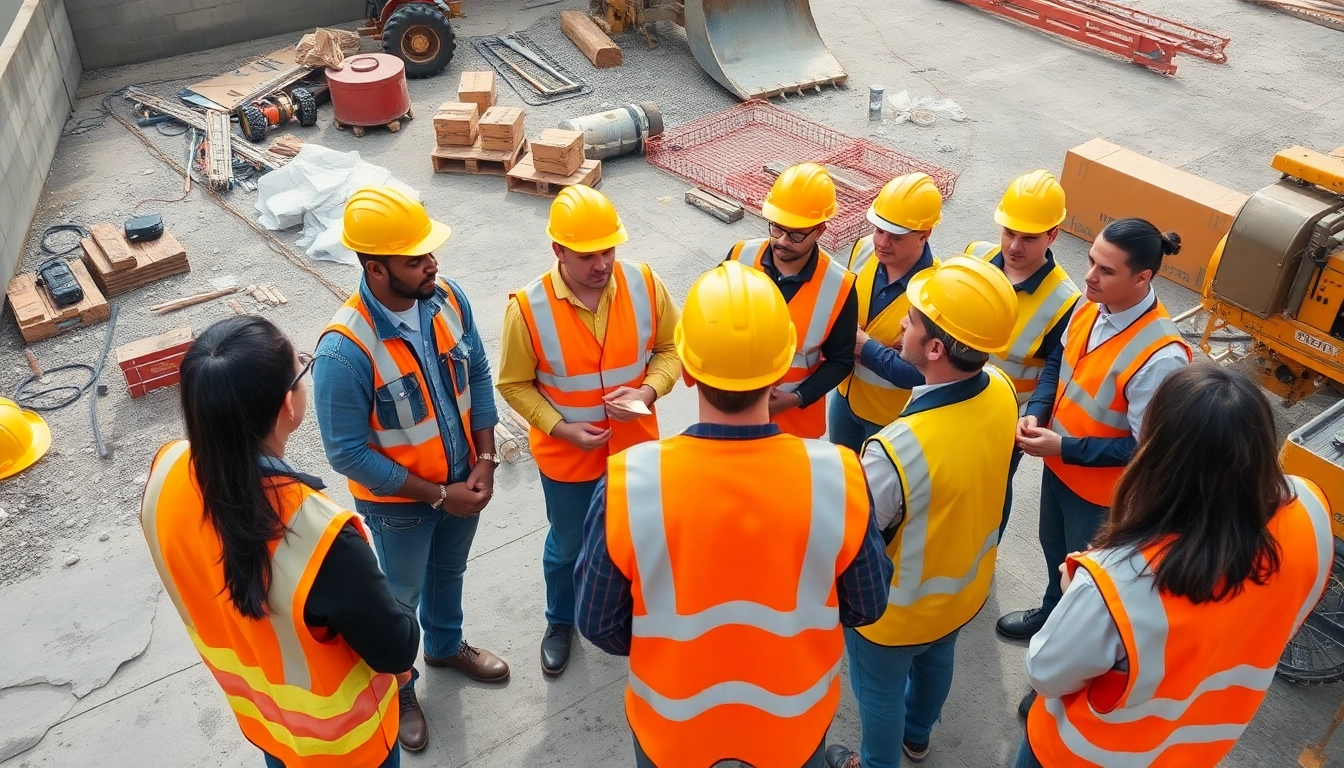
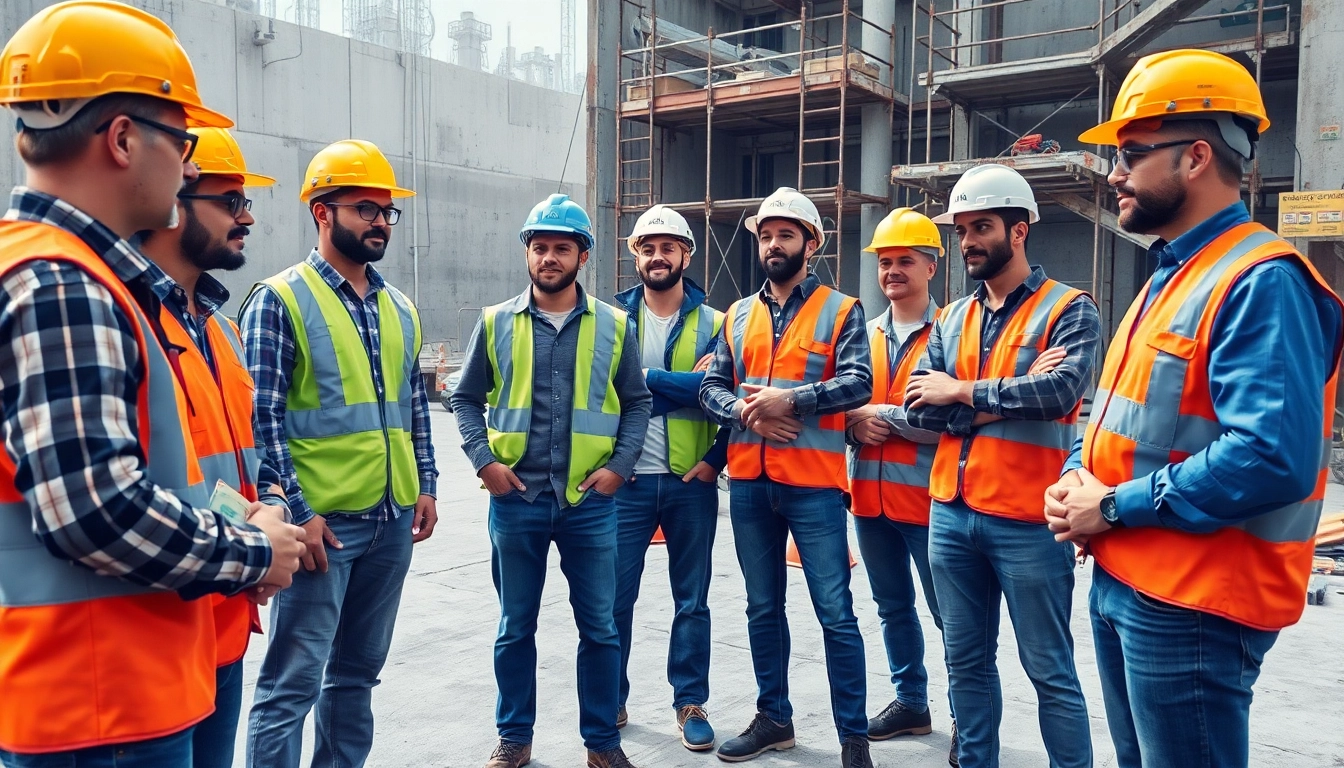
Construction safety programs are structured plans designed to protect workers from the inherent risks associated with the construction industry. These programs include a range of policies, procedures, and training sessions aimed at reducing accidents, injuries, and fatalities on job sites. Typically, they encompass safety training, monitoring compliance, emergency response strategies, and routine safety audits. Their primary objective is to foster a safer working environment by minimizing hazards and ensuring that all workers are equipped with the knowledge and tools necessary to perform their tasks safely.
The Importance of Safety in Construction
The construction industry consistently ranks among the most hazardous fields, with workers frequently exposed to risks such as falls, electrical hazards, and equipment-related accidents. Effective construction safety programs play a critical role in addressing these risks. Implementing these programs not only helps save lives but also reduces costs associated with workplace injuries, including medical expenses and lost labor. Furthermore, a commitment to safety enhances a company’s reputation, boosts employee morale, and increases productivity by creating a culture where workers feel valued and protected.
Key Components of Construction Safety Programs
A comprehensive construction safety program consists of several key components:
- Risk Assessment: Regularly identifying potential safety hazards on job sites.
- Training and Education: Providing workers with ongoing education on safety practices and regulations.
- Communications Protocols: Establishing clear communication channels for reporting hazards and concerns.
- Emergency Planning: Creating protocols for handling emergencies such as accidents or severe weather.
- Monitoring and Evaluation: Regularly assessing the effectiveness of safety measures.
Implementing Construction Safety Programs
Steps to Develop a Safety Program
Developing an effective construction safety program involves several essential steps:
- Identifying Hazards: Conduct thorough site inspections to identify potential hazards.
- Establishing Safety Policies: Create clear safety policies tailored to your specific work environment.
- Training Employees: Provide comprehensive safety training sessions for all workers, emphasizing specific risks associated with their tasks.
- Implementing Safety Protocols: Establish daily safety protocols and ensure compliance through regular monitoring.
- Evaluating Success: Continuously assess the program's effectiveness and make adjustments as necessary.
Training and Resources for Workers
An essential element of any construction safety program is comprehensive training. Workers should be familiar with all safety protocols and proper equipment use. Providing access to resources such as safety manuals, online training modules, and hands-on workshops enhances workers' understanding of safety practices. Regularly scheduled training sessions can keep safety top of mind and ensure that all employees are updated on any changes in safety regulations or practices.
Emergency Preparedness in Safety Programs
Emergency preparedness is crucial within construction safety programs, as it prepares workers for unexpected incidents. Effective emergency plans should include:
- Designating safety officers responsible for overseeing emergency protocols.
- Implementing first aid training for employees.
- Regularly conducting emergency drills to ensure quick response times.
- Establishing communication plans to report incidents and alert emergency services.
Monitoring and Evaluating Safety Programs
Metrics for Measuring Effectiveness
Monitoring the effectiveness of construction safety programs is vital for continual improvement. Key metrics include:
- Incident Rate: Tracking the number of recorded incidents over a specific period.
- Compliance Rate: Evaluating adherence to safety protocols and policies.
- Employee Feedback: Soliciting input from workers on safety practices to gain insights.
- Training Completion Rates: Monitoring how many employees have completed required training sessions.
Adjusting Programs Based on Feedback
Feedback from employees is crucial for refining construction safety programs. Creating an open line of communication where workers feel comfortable reporting hazards and suggesting improvements can lead to valuable insights for program adjustments. Regularly reviewing this feedback and integrating essential changes fosters a culture of safety and continuous improvement.
Regular Safety Audits and Compliance
Conducting regular safety audits is essential for ensuring compliance with safety standards and identifying areas for improvement. These audits should examine:
- Site conditions and hazards.
- Compliance with federal and state regulations.
- Effectiveness of training programs.
- Overall safety performance metrics.
Best Practices for Construction Safety Programs
Creating a Safety-First Culture
Establishing a safety-first culture begins with leadership. Management should prioritize safety in all operations, fostering an environment where workers feel supported and responsible for safety. This practice can be achieved by recognizing safe behaviors, encouraging open discussions about safety concerns, and involving employees in safety planning and practices.
Utilizing Technology in Safety Programs
Technology is playing an increasingly important role in enhancing construction safety programs. Innovations such as wearable safety devices, automated machinery, and drones for site inspection can significantly reduce risks and improve compliance. Additionally, software solutions that manage safety training and documentation can streamline safety processes and facilitate better compliance tracking.
Case Studies: Successful Safety Programs
Examining successful safety programs from industry leaders can provide valuable insights. For example, one construction company implemented a peer mentoring system where experienced workers trained new hires on safety procedures. This approach not only improved safety knowledge but also fostered team cohesion. Another organization focused on proactive safety measures, including regular risk assessments and feedback loops, leading to a marked decrease in workplace incidents.
Future Trends in Construction Safety Programs
Emerging Technologies Enhancing Safety
As technology continues to evolve, so too do the tools available for enhancing construction safety. Emerging technologies such as virtual reality (VR) for safety training and artificial intelligence (AI) for predictive analytics are poised to revolutionize safety practices. These technologies can provide immersive training experiences and analyze data to foresee potential hazards before they occur.
Regulatory Changes Impacting Safety Programs
Regulatory bodies continually update safety requirements to reflect new research and technologies. Staying informed about these changes is crucial for any construction company. Regular training updates and policy revisions can ensure compliance, helping companies avoid fines and promoting a safer work environment.
Long-Term Benefits of Robust Safety Practices
Investing in effective construction safety programs yields long-term benefits. These include lower insurance premiums, decreased liability, enhanced worker retention, and improved project timelines due to fewer interruptions caused by accidents. A sustainable safety program not only protects workers but also contributes to overall business success.
Frequently Asked Questions
What is the main goal of construction safety programs?
The primary goal is to protect workers from hazards, enhance job safety, and minimize accidents on construction sites.
How often should safety training occur?
Safety training should occur regularly, with new employees receiving initial training and ongoing sessions held annually or semi-annually for all workers.
What is the role of technology in safety programs?
Technology enhances safety programs by providing tools for training, tracking compliance, and monitoring potential risks on-site through innovative equipment.
How can we measure the success of a safety program?
Success can be measured using metrics such as incident rates, compliance levels, and employee feedback regarding safety practices.
What is a safety-first culture?
A safety-first culture prioritizes safety in all organizational practices, ensuring employees feel responsible for and empowered to foster safe working conditions.