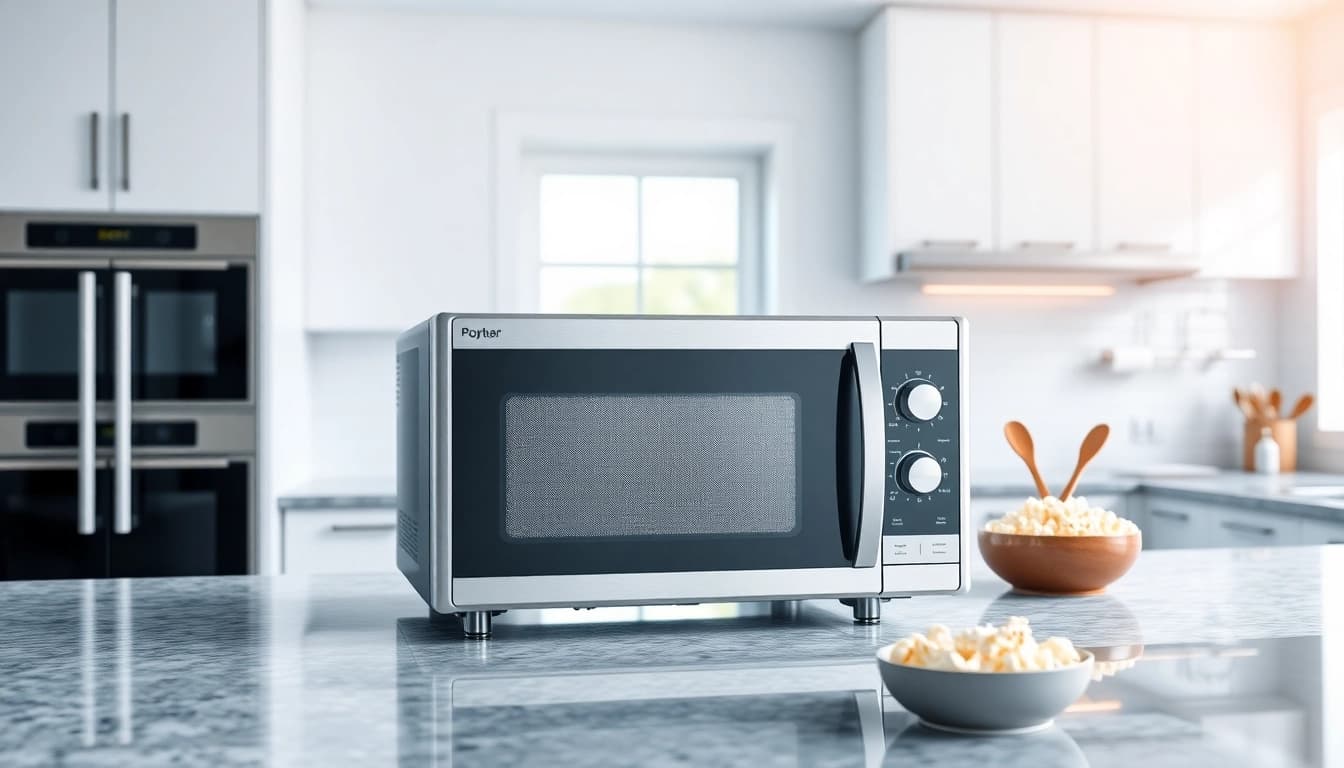
Understanding the Microwave Oven
What is a Microwave Oven?
A Microwave Oven is a kitchen appliance that uses electromagnetic radiation to heat and cook food. It is a staple in many households due to its convenience and efficiency. Unlike conventional ovens that rely on conduction and convection, microwave ovens penetrate food with waves, heating it rapidly from the inside out. This technology helps not only in cooking but also in reheating food quickly while preserving taste and moisture.
How a Microwave Oven Works
Microwave ovens operate using a magnetron, which generates microwaves—high-frequency electromagnetic waves. These waves are emitted into the cooking chamber, where they penetrate the food. The molecules in the food, primarily water molecules, absorb these microwaves, causing them to vibrate and generate heat. This unique heating mechanism allows for faster cooking times compared to conventional methods, resulting in both time and energy savings. Understanding the inner workings of your microwave can enhance your cooking efficiency and elevate your culinary skills.
Benefits of Using a Microwave Oven
The advantages of incorporating a microwave oven into your kitchen are numerous. First and foremost, the speed of cooking is one of the most significant benefits. Dishes that would typically take hours in a conventional oven can be prepared in minutes. Additionally, microwave ovens are energy efficient, consuming less power than traditional ovens. They also tend to retain more nutrients in food compared to other cooking methods, making them a healthier option for busy families. Furthermore, the multifunctionality of many microwave ovens—such as defrosting, reheating, and even baking—adds to their appeal.
Choosing the Right Microwave Oven for Your Needs
Types of Microwave Ovens
When selecting a microwave oven, it's essential to understand the various types available on the market. There are three primary categories: countertop, built-in, and over-the-range models. Countertop microwave ovens are versatile and portable, making them ideal for small kitchens or as an additional appliance. Built-in microwaves are designed to integrate seamlessly with your cabinetry, providing a modern look and saving counter space. Over-the-range microwaves combine cooking capabilities with a space-saving design, often incorporating a range hood for ventilation.
Important Features to Consider
Choosing the right microwave oven involves assessing several critical features to match your cooking habits and preferences. Wattage is an essential factor; higher wattage means faster cooking. Capacity, measured in cubic feet, also plays a role, particularly if you plan to heat larger dishes. Additionally, consider the inclusion of features such as convection cooking, sensor cooking, defrost settings, and pre-programmed cooking functions. Ease of use, digital controls, and child lock features should also factor into your decision-making process.
Pricing and Budget Options
Microwave ovens are available across a wide price range, influenced by brand, features, and type. Budget models can be found as low as $50, while high-end built-in units can exceed $1,000. It’s crucial to assess your budget but also consider the value of investing in a reliable microwave oven that meets your cooking needs. Research reviews and warranties to find the best balance between cost and functionality.
Best Practices for Using Your Microwave Oven
Cooking Techniques and Tips
To maximize your success with a microwave oven, understanding proper cooking techniques is key. One principle is to use microwave-safe containers, such as glass or ceramic, avoiding those that can melt or warp. Adjusting cooking time based on the size and quantity of food is vital; for instance, larger portions may require more time or periodic stirring to ensure even cooking. Learning to utilize the defrost function wisely can also save time when preparing frozen foods. Lastly, use lids and covers to retain moisture and prevent splatter, further enhancing your cooking experience.
Safe Microwave Oven Usage
Safety should always come first when using a microwave oven. Avoid using metal containers, as they can cause sparks that may damage the microwave or cause fire hazards. Ensure that food is heated evenly by stopping the oven midway to stir or rotate dishes. Also, be cautious when removing hot containers, as steam can escape suddenly and cause burns. It's best to utilize oven mitts or pot holders for protection. Finally, avoid superheating liquids, which can explode when disturbed; instead, place a wooden stir stick or special microwave-safe cover over containers holding liquids to prevent accidents.
How to Clean Your Microwave Oven
Keeping your microwave oven clean is crucial for hygiene and efficient operation. Regular cleaning prevents the buildup of bacteria and bad odors. A simple solution of vinegar and water can be effective; place a bowl with the mixture inside the microwave and run it on high for a few minutes. The steam will help loosen grime, making it easier to wipe away. For stubborn stains, using a paste of baking soda and water can be effective. Always remember to clean the exterior and the turntable, as these often collect food particles.
Common Challenges and Solutions with Microwave Ovens
Troubleshooting Microwave Oven Issues
Despite their conveniences, microwave ovens come with their share of problems. One common issue is the microwave not heating food properly. This could be due to a malfunctioning magnetron or a faulty door switch. Ensuring the door closes perfectly is vital, as any gaps can prevent proper operation. If the microwave runs but doesn't heat, checking the fuse can also provide insights. Always refer to the manufacturer’s manual for troubleshooting tips or seek professional repair services when necessary.
Cooking Evenly with Your Microwave Oven
Cooking food evenly can be a challenge in a microwave oven. To solve this, consider the shape and size of the food—placing larger items on the outer edge and smaller items closer to the center can promote more uniform cooking. Using a turntable or rotating the food halfway through cooking can also help. Additionally, arranging food in a ring shape rather than piling it in the center allows microwaves to penetrate more effectively. Lastly, utilizing microwave-safe covers can trap steam and redistribute heat, enhancing even cooking.
Avoiding Mistakes When Using a Microwave Oven
Common mistakes when using a microwave include neglecting to cover food, which can cause splatters and mess, and overcooking, leading to loss of texture and nutrients. Cooking multiple items at once without adjusting cooking times is another oversight that can yield uneven warming. Also, failing to stir or rearrange food can lead to hot and cold spots. Finally, be cautious when testing food temperature; always let it sit briefly before consuming, as heat can distribute unevenly.
Maintenance and Longevity of Your Microwave Oven
Regular Maintenance Tips
To ensure the longevity of your microwave oven, routine maintenance is essential. This includes regular cleaning and inspecting for any signs of wear and tear. Check the door seals for food debris, which can impair their effectiveness. If your microwave features filters, such as grease filters in over-the-range models, clean or replace them as per the manufacturer’s recommendations. Scheduling professional maintenance every few years can also help identify and rectify potential issues before they escalate.
When to Consider Repairs or Replacement
Understanding when to repair or replace your microwave oven can be challenging. If your appliance is frequently malfunctioning, making strange noises, or the heating function has completely stopped working, it might be more cost-effective to look for a replacement. Another significant indicator is age; if your microwave is nearing the end of its lifespan—typically 5-10 years—consider investing in a newer model that incorporates improved technology and efficiency.
Extending the Life of Your Microwave Oven
To extend the life of your microwave oven, utilize it efficiently and avoid overloading it. Regularly dusting the exterior and cleaning the vents can prevent overheating. Investing in a surge protector can also shield the appliance from electrical damage. Additionally, educate yourself on the proper use of microwave-safe cookware and avoid using abrasive cleaners, which can scratch surfaces and impair functionality. Combining these practices can help ensure your microwave oven performs reliably for years to come.
FAQ: What types of food can I cook in a Microwave Oven?
A Microwave Oven is versatile and can cook various foods, including vegetables, meats, and even baked goods, making it an ideal kitchen appliance.
FAQ: How do I know which Microwave Oven is best for my kitchen?
Consider your cooking habits, available space, and necessary features like size and wattage to select the Microwave Oven that fits your needs best.
FAQ: Can I use metal containers in my Microwave Oven?
No, metal containers should not be used in a Microwave Oven as they can cause sparks and potentially damage the appliance.
FAQ: How often should I clean my Microwave Oven?
It's best to clean your Microwave Oven regularly, ideally after each use, to prevent buildup of food splatters and maintain hygiene.
FAQ: What is the average lifespan of a Microwave Oven?
Generally, a well-maintained Microwave Oven can last between 5 to 10 years, depending on use and care.