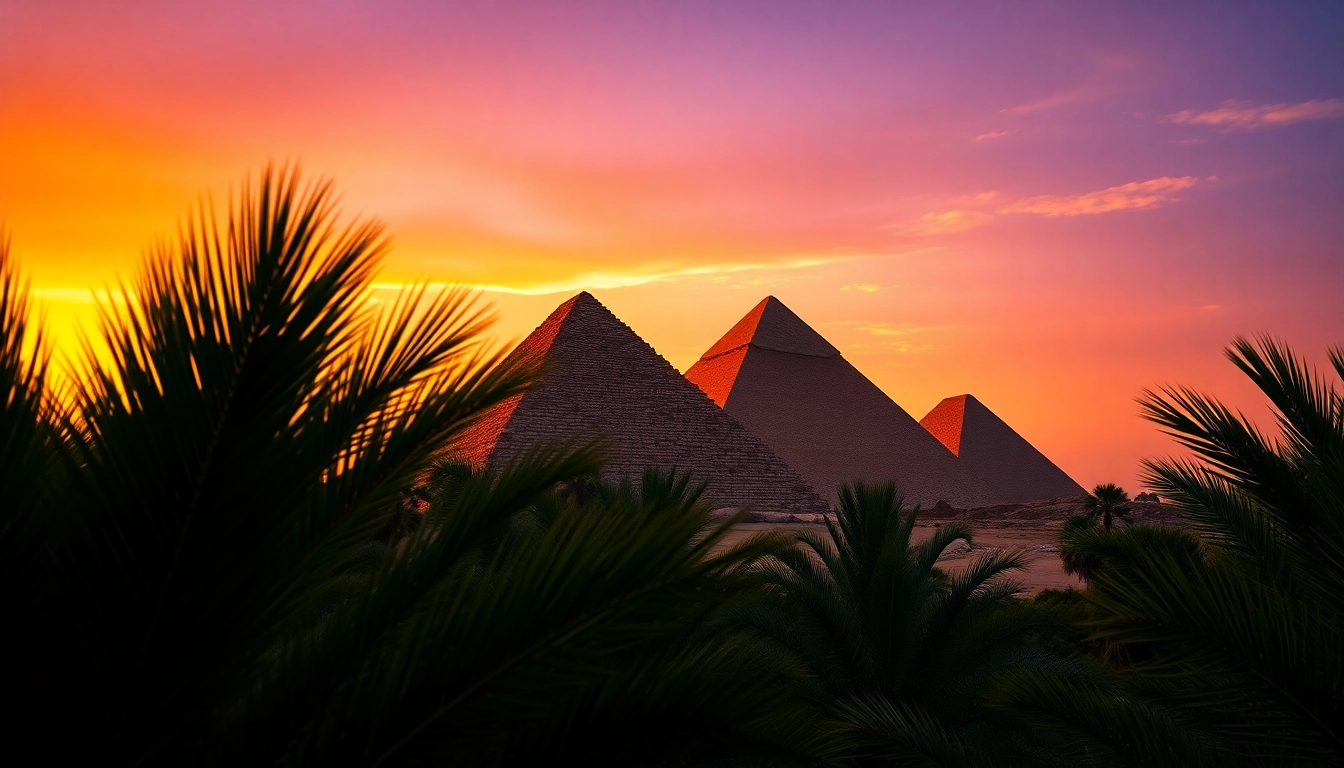
Introduction to the Pyramids
The pyramids stand as iconic symbols of ancient civilizations, particularly those of Egypt. These magnificent structures serve as enduring reminders of the ingenuity and ambition of humanity. The piraminds are not merely architectural feats; they are representations of the culture, religion, and values of the people who built them. As we delve deep into the significance, construction methods, cultural implications, and modern-day perspectives regarding these structures, we uncover layers of history that continue to fascinate scholars and tourists alike.
Understanding their Significance
The importance of pyramids extends beyond their imposing physical presence. They were constructed primarily as tombs for pharaohs, showcasing the Egyptians' beliefs about the afterlife and the significance of burial practices. Each pyramid served a dual purpose: it was a royal tomb and a monument, designed to honor and immortalize the deceased. The alignment and specific configurations of the pyramids reflect profound connections to the stars and gods, revealing the sophisticated understanding of astronomy and spirituality held by the ancient Egyptians.
Historical Background of the Pyramids
The construction of pyramids dates back to the Third Dynasty of the Old Kingdom, around 2630 BCE, with the step pyramid of Djoser marking a significant advancement in architectural design. This structure, created by architect Imhotep, set the foundation for later developments, culminating in the construction of the iconic pyramids at Giza. The Great Pyramid of Giza, built for Pharaoh Khufu, exemplifies the pinnacle of Egyptian pyramid construction, featuring precise engineering and immense labor mobilization. The Giza Plateau hosted a series of monumental pyramids, including those of Khafre and Menkaure, each reflecting the evolving architectural techniques and religious practices over centuries.
Why the Pyramids Captivate People
The intrigue surrounding the pyramids often lies in their mystical aura and the mysteries of their construction. Theories have proliferated regarding how these massive stones were transported, arranged, and constructed without modern technology. Their alignment with celestial bodies and geographic precision adds layers of complexity to their existence, making them focal points of archaeological and historical inquiries. People are captivated by their grandeur, the myths surrounding them, and the remnants of a civilization that continues to influence modern society.
Architectural Marvels of the Pyramids
The Structural Techniques Used in Pyramids
The design and construction of pyramids were feats of engineering that combined architectural knowledge and mathematical precision. The use of a stepped design allowed for structural stability and climactic dimensions. The base was usually leveled and prepared meticulously, ensuring that the monumental weight of the upper stones would be adequately supported. Workers employed massive ramps and levers to position large blocks, often quarried from nearby sources, effectively leveraging available resources. The method of construction evolved, implementing techniques that ranged from corbel vaulting to sophisticated scaffolding systems that allowed for the height and shape necessary for pyramid structure.
Materials and Resources Required
The primary materials used in pyramid construction included limestone, granite, and sometimes mudbrick. Limestone blocks, often sourced locally from the Giza plateau, were employed for the outer casing of the pyramids, providing a smooth and polished surface that reflected sunlight. Granite, harder and more durable, was primarily used for the interior chambers and structural elements. The transportation of these heavy materials relied on an extensive labor system, with workers utilizing sledges, roll logs, and even waterways where possible to navigate the significant distances involved.
Comparison with Other Ancient Structures
While the Egyptian pyramids dominate discussions about pyramid structures, similar architectural forms existed in various ancient cultures. The pyramids of Mesoamerica, such as the Teotihuacan pyramids and those of the Maya civilization, showcase similarities in purpose and design intent, often serving ceremonial functions. However, they differ significantly in construction techniques and cultural significance. For instance, Mayan pyramids often had terraces and stepped levels with temples on their summits, emphasizing religious practices distinctly different from Egyptian traditions. Such comparisons highlight not only architectural ingenuity but also unique cultural narratives represented through structural forms.
The Cultural Impact of the Pyramids
Pyramids in Egyptian Mythology
The pyramids held a significant place in Egyptian mythology and religious beliefs, symbolizing resurrection and the journey of the soul. They were believed to be the grand means through which pharaohs would ascend to the afterlife, join the gods, and secure their eternal life. Ancient texts frequently reference the pyramids in connection with Osiris, the god of the afterlife, reflecting their role as gateways to heaven and representations of divine order. This connection is evident in the extensive burial practices that accompanied pyramid constructions, often including intricate funerary goods meant to assist the deceased in their afterlife journey.
Influence on Art and Literature
The monumental nature of the pyramids has inspired countless works of art and literature throughout history. Artists and writers have drawn from the imagery and symbolism of pyramids, highlighting their majestic stature and spiritual significance. Renaissance artists found inspiration in the pyramids, often incorporating them into allegorical compositions that reflected broader themes of human ambition and nature. Modern literature frequently references pyramids to evoke a sense of mystery, history, and the quest for knowledge, showcasing their lasting influence on cultural narratives.
Modern Reinterpretations and Inspirations
Today, the pyramids continue to inspire architecture and design beyond their original interpretations. Contemporary architects draw from the geometric forms of pyramids to create innovative structures that resonate with historical context while meeting modern functional needs. They serve as monuments not just to ancient cultures but also as a point of reflection on humanity's relationship with history, nature, and technology. The enduring allure of the pyramids prompts a reexamination of our own aspirations toward monumentalism and collective legacy.
Tourism and Conservation of Pyramids
Key Tourist Attractions at the Pyramids
The Pyramids of Giza are among the most visited tourist attractions in the world, drawing millions each year. The iconic Great Pyramid, often the main draw, features extensive archaeological sites and nearby attractions, including the Sphinx and a range of smaller pyramids. Tourists can engage with guided tours that delve into the history, architecture, and mythology surrounding these structures. Virtual tours and interactive experiences have arisen in response to global restrictions on travel, ensuring that the fascination with these historical wonders continues, unhindered by present challenges.
Challenges in Preservation
Preserving the pyramids poses significant challenges due to environmental conditions, urban encroachment, and the effects of tourism. Weathering, erosion, and damage from human activity threaten these ancient structures. Increased foot traffic can weaken the integrity of the sites, requiring careful management to protect and maintain these monuments. International cooperation and advanced preservation technologies are essential to ensure that the pyramids can be admired by future generations while maintaining their cultural and historical narratives.
Future of Pyramids Tourism
As tourism evolves, the future of visiting the pyramids involves a blend of sustainability and technology. Initiatives focused on eco-friendly practices are becoming imperative as the impacts of tourism are assessed and managed. The integration of augmented and virtual reality experiences may allow people to engage deeply with the pyramids without physically altering or endangering the sites. Such innovations will ensure the continued relevance of pyramids in global tourism while advocating for their preservation.
Common Questions About the Pyramids
What are the Pyramids Made Of?
The pyramids were primarily constructed from limestone and granite, with the outer casing often made of highly polished Tura limestone, creating a brilliant white surface that gleamed in the sun.
How Were the Pyramids Built?
Pyramids were built using advanced techniques involving large labor forces, horses, sledges to transport stones, and ramps for lifting heavy blocks to significant heights.
What is the Mystery Behind the Pyramids?
The mysteries surrounding the pyramids often center on their construction methods, the precision of their alignment, and the complex burial practices that took place within them.
Why Are the Pyramids Important Today?
The pyramids symbolize human achievement, leading to profound insights into ancient cultures, engineering, and astronomical alignment, influencing modern architecture and society.
Can I Visit the Pyramids?
Yes, the pyramids are open for tourists, and guided tours are available to provide informative context about their history and significance. It's essential to book in advance and participate sustainably.