What Are Physical Hazards?
In the landscape of workplace safety, physical hazards are one of the most critical areas of concern. These hazards stem from environmental conditions within the workplace that can lead to injury, illness, or even fatality. A physical hazard might include anything from wet floors to unguarded machinery, and understanding these potential dangers is essential for ensuring safety and compliance in various industries. For a comprehensive understanding of these risks, it’s important to dive deeper into what constitutes a physical hazard, along with its implications and necessary precautions.
Definition and Examples of Physical Hazards
Physical hazards are defined as any hazard that arises from physical conditions that can lead to injury. Unlike chemical or biological hazards, physical hazards typically manifest as visibility issues, environmental conditions, and equipment-related risks. Examples include:
- Slips, Trips, and Falls: Wet floors, uneven surfaces, and cluttered walkways can lead to accidents.
- Machinery Hazards: Inadequate guarding on equipment can pose severe risks to operators and nearby workers.
- Noise: Excessive noise levels can cause hearing loss over time, leading to permanent damage.
- Temperature Extremes: Working in extremely hot or cold environments can lead to serious health issues like heat stroke or hypothermia.
- Electrical Hazards: Exposed wiring and improper use of electrical equipment can result in electric shocks or fires.
Common Types of Physical Hazards in Industries
Physical hazards vary widely across different industries, each possessing unique challenges and risks. A few notable sectors include:
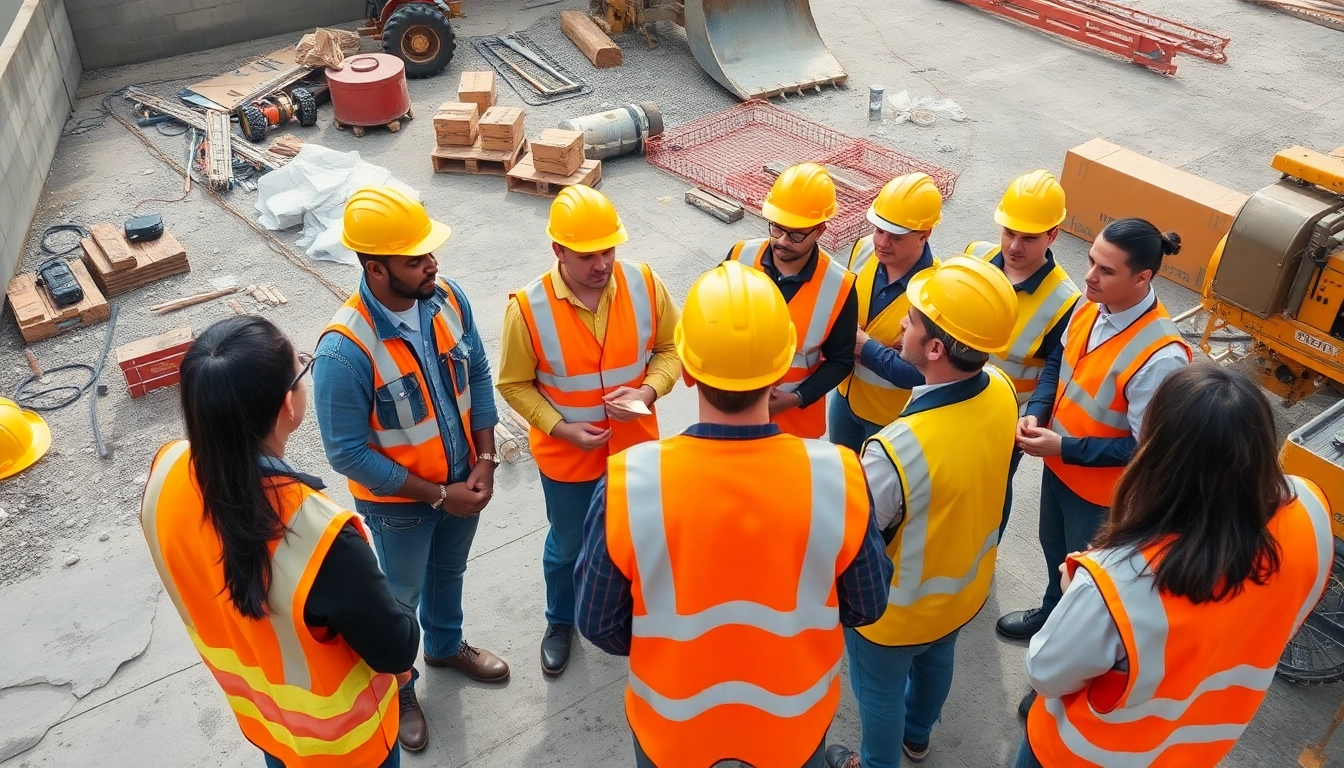
- Construction: Exposed edges, scaffolding, and heavy machinery use can result in falls and injuries.
- Manufacturing: The operation of forklifts and conveyor belts presents risks associated with equipment failures and human error.
- Healthcare: Wet floors, sharps, and biological spills pose significant risks to both workers and patients.
- Transportation: High noise levels and mechanical hazards can endanger workers managing vehicles and heavy loads.
The Importance of Recognizing Physical Hazards
Identifying physical hazards is crucial for multiple reasons:
- Preventing Injuries: Recognizing hazards allows for proactive measures to be taken to mitigate risks before accidents occur.
- Enhancing Employee Safety: A strong culture of safety increases employee morale and productivity.
- Compliance with Regulations: Understanding and addressing these hazards ensures compliance with OSHA and local regulations, which can prevent costly fines.
- Reducing Liability: By identifying and mitigating these risks, businesses can protect themselves from legal actions resulting from workplace accidents.
Identifying Physical Hazards in Your Workplace
To effectively manage physical hazards, a structured approach to identification is necessary. This involves several key steps that organizations can implement.
Conducting a Risk Assessment
Conducting a thorough risk assessment is the first step in identifying physical hazards. This process involves:
- Identifying Risks: Observe workplace conditions and assess potential hazards.
- Evaluating Risks: Determine the likelihood and potential impact of identified hazards.
- Documenting Findings: Keep a detailed record of all observations, assessments, and recommendations for safety improvements.
- Implementing Controls: Develop and put in place safety measures to mitigate identified risks.
Utilizing Safety Audits to Spot Physical Hazards
Safety audits provide a detailed evaluation of workplace safety protocols. By conducting regular audits, companies can identify physical hazards and analyze the effectiveness of safety measures currently in place. Steps include:
- Review existing safety policies and procedures.
- Conduct site inspections to look for potential hazards.
- Engage employees in discussions about their experiences and perceptions of safety.
- Analyze injury logs to determine if particular areas or activities present higher risks.
Engaging Employees in Hazard Identification
Employee involvement is crucial for effective hazard identification. Workers are often the first to notice unsafe conditions and can provide valuable insights. Strategies include:
- Conducting regular meetings to discuss safety concerns.
- Implementing a suggestion system where employees can anonymously report perceived hazards.
- Encouraging a culture of safety where open communication is supported.
Implementing Safety Measures for Physical Hazards
Once hazards have been identified, it’s essential to implement robust safety measures to minimize risks effectively. Here are some best practices:
Best Practices in Creating a Safe Workplace
Creating a safe workplace involves multiple facets, including:
- Proper Training: Ensure that all employees are trained in recognizing and responding to physical hazards.
- Establishing Clear Protocols: Develop and disseminate safety procedures, making sure everyone understands their responsibilities.
- Regular Maintenance: Keep all equipment and safety gear in excellent working condition to prevent accidents.
Training Employees to Recognize and Mitigate Risks
Training should be an ongoing process. Regular workshops and refresher courses can help ensure all employees are aware of potential hazards and how to address them effectively. Consider including the following elements in training:
- Use case studies to highlight real-world incidents and lessons learned.
- Incorporate hands-on training with equipment to familiarize employees with safe practices.
- Provide resources and easy access to safety protocols.
Investing in Personal Protective Equipment (PPE)
PPE plays a vital role in protecting employees from physical hazards. Investing in high-quality PPE, including:
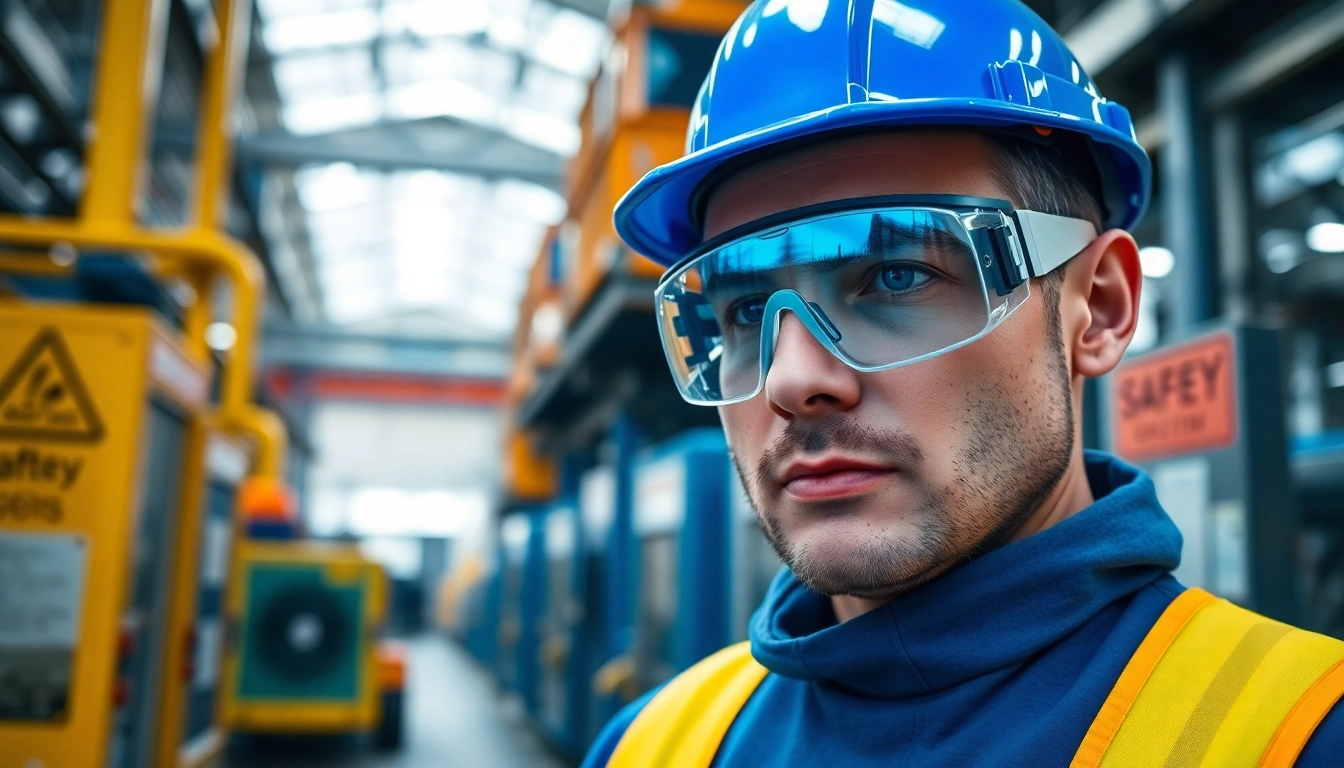
- Helmets, safety goggles, and ear protection for construction and manufacturing sites.
- Gloves and masks for healthcare environments, especially during exposure to biological hazards.
- Proper footwear to prevent slips and provide adequate support.
Employers should prioritize PPE training to ensure employees know how to use and maintain these tools.
Legal and Regulatory Standards for Physical Hazards
Adhering to legal standards regarding physical hazards is not only crucial for compliance but also for fostering a safe workplace environment. Here’s what businesses need to know:
Occupational Safety and Health Administration (OSHA) Guidelines
OSHA provides a framework of guidelines and regulations designed to protect workers from physical hazards. Organizations must:
- Stay informed about OSHA updates and standards specific to their industry.
- Conduct regular training that meets OSHA requirements.
- Understand reporting protocols for workplace injuries and potential hazards.
Industry-Specific Regulations on Physical Hazards
Different industries may have additional regulations or standards developed by governing bodies. For instance:
- Construction: Follow specific safety codes regarding scaffolding and excavation work.
- Healthcare: Adhere to standards related to biohazard waste disposal and infection control protocols.
- Manufacturing: Comply with equipment safety standards and noise regulations.
Compliance and Reporting Responsibilities
Organizations are responsible for maintaining compliance with all safety regulations. This includes:
- Regularly reviewing compliance protocols and updating them as necessary.
- Documenting safety training and maintaining records of incidents and inspections.
- Designating a safety officer or committee to oversee compliance efforts and address concerns.
Evaluating the Effectiveness of Safety Measures
To ensure that implemented safety measures are effective, it’s important to regularly evaluate their performance. Here are strategies to accomplish this:
Metrics for Measuring Safety Performance
Establishing key performance indicators (KPIs) can help measure the effectiveness of safety measures. These may include:
- Reduction in workplace injuries and incidents.
- Frequency of safety audits and their findings.
- Employee feedback on safety practices and training effectiveness.
Continuous Improvement in Safety Protocols
Safety is not a one-time effort; it requires continuous improvement. Companies can establish a cycle of safety that includes:
- Regularly scheduled evaluations and updates to safety protocols.
- Encouraging feedback from employees on safety measures and protocols.
- Incorporating lessons learned from incident investigations into training and protocols.
Success Stories: Companies Excelling in Physical Hazard Management
Many organizations have made significant strides in managing physical hazards effectively. For example:
- Company A: A manufacturing firm that implemented a rigorous training program saw a 50% reduction in workplace injuries within a year.
- Company B: A construction company adopted a comprehensive safety audit process that led to a 70% decrease in accidents on-site.
- Company C: A healthcare organization improved its PPE compliance through continuous training and monitoring, resulting in zero incidents of exposure to biohazards for over two years.
These success stories highlight the importance of a proactive and ongoing approach to safety in working environments.