

Anxiety is a natural response to stress, but when it becomes persistent or overwhelming, it can significantly affect various aspects of daily life. From work performance to relationships and overall well-being, Anxiety symptoms can create barriers to living a full, healthy life. Understanding the connection between anxiety and daily functioning is essential for recognizing when it’s time to take action. This article explores the ways anxiety can impact everyday activities, how to identify its effects, and effective strategies for managing symptoms to regain control over your life.
Understanding Anxiety and Its Impact on Daily Life
Anxiety is more than just feeling nervous or stressed. It’s a mental health condition that causes persistent worry, fear, and physical symptoms, often in response to everyday situations. These symptoms can range from mild discomfort to severe distress and can interfere with personal, professional, and social aspects of life.
Common Symptoms of Anxiety
The symptoms of anxiety can vary from person to person but typically include both physical and emotional reactions. Some of the most common symptoms of anxiety include:
- Physical Symptoms: Increased heart rate, shortness of breath, trembling, sweating, dizziness, muscle tension, fatigue, and headaches.
- Emotional Symptoms: Excessive worry, fear of the unknown, irritability, restlessness, difficulty concentrating, and feelings of impending doom.
- Behavioral Symptoms: Avoidance of certain situations, social withdrawal, procrastination, and reliance on unhealthy coping mechanisms, such as alcohol or smoking.
These symptoms may appear intermittently or persist for prolonged periods. In either case, they can affect your ability to function and lead a balanced life.
How Anxiety Affects Your Work Performance
Anxiety can have a significant impact on your work performance, leading to reduced productivity, decreased job satisfaction, and challenges in meeting expectations. The cognitive and emotional effects of anxiety can make it difficult to concentrate, stay organized, and manage the demands of your job.
Difficulty with Focus and Concentration
Anxiety often leads to racing thoughts that make it challenging to focus on tasks at hand. This constant mental distraction can reduce efficiency and affect the quality of work. In the workplace, anxiety may manifest as difficulty prioritizing tasks, forgetting deadlines, or making mistakes that are typically uncharacteristic of you.
- Cognitive Overload: The mind may become overwhelmed with worries, making it hard to complete even simple tasks.
- Procrastination: Anxiety can cause you to avoid starting or finishing projects due to fear of failure or making mistakes. This can lead to missed deadlines or incomplete work.
Increased Stress and Reduced Productivity
Anxiety creates a heightened state of stress, which can lower energy levels and increase feelings of burnout. In the workplace, chronic anxiety can lead to increased absenteeism, lower motivation, and dissatisfaction with work.
- Physical Fatigue: The mental and physical toll of anxiety often leaves individuals feeling exhausted and drained, which can further hinder productivity.
- Reduced Performance: When anxiety is left unchecked, it can lead to a significant decline in work performance, as the anxiety symptoms take precedence over work tasks.
Difficulty with Interpersonal Relationships at Work
Anxiety can affect how you communicate and interact with colleagues, supervisors, and clients. When anxiety is present, it’s common to feel self-conscious, avoid social interactions, or struggle with communication.
- Social Withdrawal: Anxiety may lead to avoiding social interactions at work, making it difficult to participate in team activities, meetings, or one-on-one discussions.
- Fear of Judgement: A common symptom of anxiety is the fear of being judged or criticized, which may cause you to second-guess your contributions and withdraw from work-related interactions.
Managing anxiety is crucial to maintaining a healthy work-life balance and preventing career stagnation or dissatisfaction.
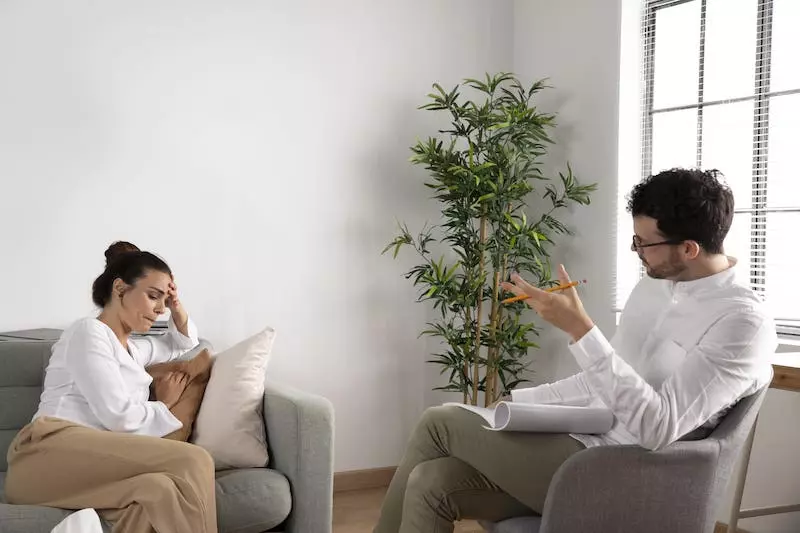
The Effect of Anxiety on Relationships
Anxiety can have a profound effect on personal relationships, whether it’s with a spouse, family member, friend, or colleague. The emotional and behavioral symptoms of anxiety can create tension, misunderstandings, and conflict, making it harder to connect with others.
Increased Irritability and Mood Swings
Individuals with anxiety may experience heightened irritability or mood swings, especially when anxiety symptoms are left untreated. This emotional volatility can strain relationships, making it difficult for others to understand what you’re going through.
- Difficulty Managing Emotions: Anxiety can make it harder to regulate emotions, leading to outbursts or feeling overwhelmed by everyday challenges.
- Frustration with Yourself: As a result of emotional instability, you may become frustrated with yourself, leading to feelings of guilt, shame, or self-blame.
Avoidance of Social Situations
Anxiety can lead to avoidance behaviors, which can affect relationships with others. If anxiety causes fear or discomfort in social situations, you may begin withdrawing from events, gatherings, or even everyday interactions.
- Avoiding Invitations: Fear of judgment or social awkwardness can lead to avoiding invitations or social events, which can create distance between you and loved ones.
- Isolation: Chronic anxiety may lead to isolation, as it becomes easier to retreat into solitude than face uncomfortable situations.
Strain in Romantic Relationships
In romantic relationships, anxiety can lead to difficulties with trust, communication, and intimacy. Constant worry and fear of rejection can create a barrier to developing healthy, supportive connections with a partner.
- Overthinking: Anxiety can cause you to overthink your relationship, leading to unnecessary doubts or concerns about your partner’s feelings or intentions.
- Need for Reassurance: Anxiety can manifest as a constant need for reassurance from a partner, leading to tension and stress in the relationship.
Addressing anxiety and working with a partner to understand its impact can help create stronger, healthier relationships.
How Anxiety Affects Physical Health
The physical symptoms of anxiety can have long-term consequences for your health. Chronic anxiety can lead to increased physical stress on the body, causing a wide range of health problems. Understanding these potential risks is essential for taking proactive steps to manage anxiety and safeguard your well-being.
Impact on the Heart and Circulatory System
Anxiety triggers the “fight or flight” response, causing an increase in heart rate and blood pressure. Over time, this continuous strain on the cardiovascular system can increase the risk of heart disease and other related conditions.
- Chronic High Blood Pressure: Prolonged anxiety can contribute to high blood pressure, which increases the risk of heart disease, stroke, and other cardiovascular issues.
- Heart Palpitations: Anxiety may cause heart palpitations, which can be distressing and lead to a heightened sense of fear or panic.
Digestive Issues
Anxiety can disrupt the digestive system, leading to a variety of gastrointestinal problems. Stress and anxiety affect gut health by altering the way the gut functions, leading to digestive discomfort.
- Stomachaches and Cramps: Anxiety can cause stomachaches, nausea, or general gastrointestinal discomfort, especially during stressful events.
- Irritable Bowel Syndrome (IBS): Anxiety is a common trigger for IBS, leading to symptoms such as diarrhea, constipation, and bloating.
Sleep Disturbances
Sleep disturbances are common among those with anxiety. The inability to calm the mind before bed can result in insomnia or poor-quality sleep, which can negatively affect your health and energy levels the following day.
- Difficulty Falling Asleep: Racing thoughts or physical discomfort caused by anxiety may make it hard to fall asleep, leading to a cycle of sleep deprivation.
- Poor Sleep Quality: Even if you manage to sleep, anxiety can lead to restless or fragmented sleep, preventing you from fully resting and recovering.
Coping Strategies for Managing Anxiety
If anxiety symptoms are affecting your daily life, it’s essential to take action. There are various strategies and tools that can help you manage anxiety and regain control over your life. These approaches can help reduce the severity of symptoms, improve your emotional well-being, and enhance your ability to cope with stress.
1. Practice Mindfulness and Relaxation Techniques
Mindfulness meditation and relaxation exercises can help reduce the intensity of anxiety. Techniques like deep breathing, progressive muscle relaxation, and visualization can promote calmness and improve emotional regulation.
- Mindfulness: Focusing on the present moment can help break the cycle of worry and prevent anxiety from spiraling out of control.
- Progressive Muscle Relaxation: Tensing and releasing muscle groups in the body helps alleviate physical tension and promotes relaxation.
- Breathing Exercises: Deep, controlled breathing helps lower heart rate and reduce feelings of panic.
2. Regular Physical Exercise
Exercise is one of the most effective ways to reduce anxiety. Physical activity releases endorphins, which are chemicals in the brain that promote feelings of well-being and alleviate stress.
- Aerobic Exercise: Running, swimming, cycling, and other forms of aerobic exercise can significantly reduce anxiety symptoms.
- Yoga and Pilates: These exercises combine movement, breathwork, and mindfulness to reduce physical tension and stress.
3. Cognitive Behavioral Therapy (CBT)
CBT is an effective therapy for treating anxiety. This approach focuses on changing negative thought patterns that contribute to anxiety. By identifying and challenging irrational beliefs, individuals can learn to respond to anxiety triggers in healthier ways.
- Thought Records: Keeping a journal of anxious thoughts and identifying patterns can help you recognize when anxiety is becoming irrational and how to shift your thinking.
- Exposure Therapy: Gradually facing the situations that cause anxiety can reduce avoidance behaviors and help build confidence.
4. Seek Professional Support
If anxiety symptoms are severely impacting your daily life, it may be time to seek professional help. A therapist or counselor can help you develop coping strategies tailored to your specific needs and offer guidance on managing anxiety.
- Therapy: Working with a mental health professional can help you develop personalized strategies for managing anxiety.
- Medication: In some cases, medication may be necessary to help regulate anxiety symptoms. Talk to your doctor about options such as anti-anxiety medications or antidepressants.
Conclusion
Anxiety can significantly impact your daily life, affecting work, relationships, physical health, and overall well-being. Recognizing the signs of anxiety and understanding how it affects your life is the first step toward taking control. With the right coping strategies, including mindfulness, physical activity, cognitive therapy, and professional support, it’s possible to manage anxiety and improve your quality of life. If anxiety continues to interfere with your ability to function, don’t hesitate to reach out for help. There are many tools and resources available to support you on your journey toward managing anxiety and living a fulfilling life. Our homepage is packed with the latest tools and information—don’t miss it.
FAQs
How can I tell if my anxiety is affecting my daily life?
If you’re noticing a decline in work performance, difficulty maintaining relationships, or physical symptoms such as fatigue or stomach issues, your anxiety may be affecting your daily life. Seeking support and recognizing these signs early can help prevent further complications.
Can exercise really help reduce anxiety?
Yes, regular physical exercise is one of the most effective ways to reduce anxiety. It releases endorphins, improves sleep, reduces muscle tension, and helps regulate stress. Incorporating daily physical activity can make a significant difference in managing anxiety.
When should I seek professional help for anxiety?
If your anxiety symptoms are overwhelming, persist for long periods, or interfere with your ability to function at work, in relationships, or in daily activities, it’s a good idea to seek professional help. Therapy, medication, or a combination of both can provide effective treatment for anxiety.
Contact Us:
Name: Calm Minds Hub
Address: London Eye, Riverside Building, County Hall, Westminster Bridge Rd, London SE1 7PB, United Kingdom
Website: https://calmmindshub.com/