
Posted on

How an Environmental Law Firm Can Navigate Complex Legal Challenges

Environmental law firm team collaborating on legal strategies and reports in a green office.

Understanding Environmental Law

Environmental law is a continually evolving area of legal practice that encompasses a range of regulations aimed at protecting the environment and managing natural resources. As concerns over climate change, pollution, and sustainability grow, the role of an environmental law firm becomes increasingly vital. This article aims to provide a comprehensive overview of environmental law, explore common legal issues, and discuss how to select the right law firm to navigate these complexities.

What is Environmental Law?

Environmental law refers to a body of legislation, regulations, and policies designed to protect the environment from harm and to ensure sustainable use of natural resources. This legal field encompasses a variety of issues, including pollution control, waste management, land use, biodiversity conservation, and climate change mitigation. Environmental law principles not only apply to governmental entities but also to private citizens, businesses, and organizations, obligating them to act responsibly towards the environment.

Key Components of Environmental Law

Environmental law consists of various components that work together to create a regulatory framework. Key components include:

  • Statutory Law: Statutes such as the Clean Air Act, Clean Water Act, and the Endangered Species Act form the backbone of environmental regulations.
  • Common Law: Courts interpret and apply laws in disputes, establishing precedents that shape environmental jurisprudence.
  • Administrative Regulations: Agencies like the Environmental Protection Agency (EPA) create detailed regulations to implement statutory mandates.
  • International Treaties: Agreements such as the Paris Agreement underscore cooperation among nations in tackling global environmental challenges.

The Importance of an Environmental Law Firm

Engaging an environmental law firm is crucial for several reasons. First, these firms provide expertise in navigating complex legal landscapes where regulations may vary significantly by jurisdiction. Second, they help clients achieve compliance with local, state, and federal laws, thus avoiding potential penalties or litigation. Additionally, an environmental law firm can represent clients in negotiations, enforcement actions, and litigation, ensuring that their interests are effectively defended.

Common Environmental Legal Issues

Pollution and Compliance

One of the foremost issues in environmental law is pollution, which can take various forms, including air, water, and soil contamination. Compliance with pollution control regulations is mandatory for businesses to operate legally. Failure to comply can lead to significant legal consequences, including fines, mandated clean-up efforts, and damage to an organization’s reputation. An environmental law firm can help entities develop compliance strategies, conduct audits, and respond to enforcement actions.

Land Use and Zoning Challenges

Land use and zoning are critical components of environmental law, determining how land can be used, developed, or preserved. Issues may arise during the approval process for new developments, environmental Impact assessments, or disputes between landowners and municipal authorities regarding zoning regulations. An environmental law firm aids in navigating local regulations and zoning laws, assisting clients in either pursuing or challenging permits and land-use decisions.

Regulatory Enforcement Actions

Government agencies enforce environmental regulations through inspections, investigations, and penalties. Businesses can face regulatory enforcement actions for alleged violations, which may include fines or mandated remediation efforts. In these cases, an environmental law firm plays a critical role in defending clients against claims, negotiating settlements, and ensuring due process is followed in enforcement actions.

Choosing the Right Environmental Law Firm

Factors to Consider

Choosing an environmental law firm involves several factors. Prospective clients should consider the firm’s experience in environmental matters, areas of specialization, and regional expertise. The size of the firm and its resources may also affect its ability to handle complex cases. Furthermore, the firm’s track record of success and client relationships can provide insights into its effectiveness.

Evaluating Experience and Expertise

Experience within environmental regulations and relevant legal practice is paramount when selecting a law firm. A strong background in specific sectors, such as agriculture, real estate, manufacturing, or energy can enhance the firm’s understanding of the challenges faced by clients in those industries. Additionally, attorneys with experience in litigation, compliance, and policy advocacy can offer a well-rounded approach to legal representation.

Client Testimonials and Case Studies

Feedback from former clients provides a glimpse into a firm’s handling of cases and their overall reputation. Positive testimonials can indicate a firm’s effectiveness, while case studies demonstrating the successful resolution of complex issues can highlight the firm’s capabilities. Prospective clients should seek firms that are willing to share these insights to build trust and confidence in their service.

How Environmental Law Firms Operate

Consultation Processes

Consultations with an environmental law firm usually begin with an assessment of the client’s needs and the specific environmental challenges they face. During initial meetings, attorneys will gather relevant information, evaluate legal options, and outline potential strategies. The goal of this process is to build an understanding of the issues at hand and establish a partnership that will effectively address the client’s goals.

Fee Structures Explained

Understanding the fee structures of an environmental law firm is essential for budgeting purposes. Most firms may employ various billing methods, including hourly rates, flat fees, or contingency fees, depending on the nature of the case. Clients should discuss fees upfront and ensure clarity on what services are included in the costs, as well as the approach to potential additional expenses.

Long-term Client Strategies

Many environmental law firms adopt long-term strategies when working with clients, focusing on proactive measures that minimize legal risks and ensure compliance over time. This can include regular audits, legal training sessions, and ongoing dialogues about changes in legislation. Building a long-term partnership enables firms to help clients stay ahead of evolving environmental regulations.

FAQs About Environmental Law Firms

What services does an environmental law firm provide?

An environmental law firm offers services including legal representation for compliance issues, litigation, negotiations with governmental agencies, and policy advocacy. They assist with regulatory matters, environmental assessments, and land-use planning concerns.

How can I find a reputable environmental law firm?

To find a reputable environmental law firm, consider reviewing client testimonials, checking the firm’s track record, and assessing their experience in specific areas relevant to your needs. Referrals from peers or industry experts can also be beneficial.

What costs are typically involved?

Costs can vary significantly depending on the complexity of the case and the firm’s billing structure. Hourly fees, flat rates for specific services, or contingency fees may apply. It’s essential to discuss and clarify the fee structure during the consultation.

Do I need a lawyer for environmental compliance?

While not always necessary, hiring an environmental lawyer for compliance can help businesses navigate regulatory requirements, avoid violations, and ensure that all environmental laws and regulations are being followed.

Can an environmental law firm assist in litigation?

Yes, environmental law firms are equipped to represent clients in litigation involving environmental disputes, regulatory actions, and compliance issues. Their expertise ensures effective advocacy in environmental legal matters.

Posted on

Enhancing Collaboration and Growth with Southern California Contractors Association

Collaboration among southern california contractors association members analyzing blueprints and construction plans.

Understanding the Southern California Contractors Association

The southern california contractors association serves as a vital hub for construction professionals throughout the region, fostering collaboration, advocacy, and growth among its members. This article delves into the mission, historical context, and membership benefits associated with the association, underscoring its importance to the construction community and local economy.

Mission and Objectives

The mission of the southern california contractors association is to promote a thriving construction industry by providing resources, advocacy, and a platform for collaboration among contractors, suppliers, and construction-related professionals. Specifically, its objectives include:

  • Enhancing the professional development of members through educational initiatives.
  • Advocating for fair practices and policies that benefit the construction industry.
  • Facilitating networking opportunities to build lasting professional relationships.
  • Supporting sustainable construction practices that benefit the community and the environment.

History and Evolution

Founded several decades ago, the southern california contractors association has evolved from a small group of local builders into a robust organization representing a diverse array of construction professionals. The association has mirrored the changes in the construction industry, adapting its focus as new challenges and opportunities have emerged. Recent emphasis has been placed on sustainability and technological advancement within the field, reflecting modern demands.

Membership Benefits

Members of the southern california contractors association gain access to a wealth of benefits that are integral to their success:

  • Discounted Services: Members can access exclusive discounts on essential services such as insurance, supplies, and software tools.
  • Educational Resources: Through workshops, seminars, and online courses, members can enhance their knowledge and skills.
  • Networking Events: These events foster connections that can lead to new projects and collaborations.
  • Advocacy Support: Members receive representation on critical industry issues, ensuring their voices are heard at local and state levels.

Key Services Offered by Southern California Contractors Association

Networking Opportunities

The southern california contractors association prioritizes networking as a cornerstone of its services. Regularly organized events allow members to connect personally, share insights, and seek out potential partnerships. Some key networking opportunities include:

  • Trade Shows: Members can showcase their work and meet potential clients and collaborators.
  • Professional Mixers: Informal networking events create a relaxed atmosphere for building relationships.
  • Online Forums: Digital networking tools allow for ongoing interaction among members.

Educational Programs

Continual professional development is crucial in the ever-changing construction landscape. The southern california contractors association offers a variety of educational programs aimed at enhancing members’ skills:

  • Workshops and Seminars: These cover topics from construction techniques to business management, led by industry experts.
  • Certification Courses: Programs that enable members to gain new certifications, enhancing their credibility and marketability.
  • Online Learning: Flexible online options for busy professionals to learn at their own pace.

Advocacy and Representation

One of the most critical roles of the southern california contractors association is to advocate on behalf of its members. This advocacy could range from local legislative issues affecting construction practices to broader policies impacting the industry. By engaging with lawmakers and stakeholders, the association strives to:

  • Promote policies that benefit the construction industry.
  • Ensure that laws reflect the needs and circumstances of contractors.
  • Provide members with updates on legislative changes that could impact their businesses.

The Role of Southern California Contractors Association in Community Development

Supporting Local Initiatives

Beyond its focus on members, the southern california contractors association plays a significant role in community development. The organization actively supports local initiatives that enhance community well-being, such as sponsoring local construction projects and engaging in charitable activities. This involvement helps build stronger ties between contractors and their communities.

Building Sustainable Practices

As sustainability becomes increasingly vital in construction, the southern california contractors association encourages its members to adopt eco-friendly practices. Initiatives may include:

  • Green Building Workshops: Educating members on sustainable materials and practices.
  • Sustainable Certification Programs: Helping members gain certifications that demonstrate their commitment to sustainability.
  • Community Clean-up Events: Organizing events to improve the local environment.

Engagement with Stakeholders

Engagement with various stakeholders is fundamental for the southern california contractors association’s success. Collaborating with government agencies, non-profits, and educational institutions ensures that the voice of the construction industry is represented in broader discussions. This collaboration leads to:

  • Better policies that address the needs of the industry.
  • Innovative solutions to community challenges.
  • Enhanced public perception of the construction profession.

Best Practices for Members of Southern California Contractors Association

Leveraging Networking Events

To maximize the benefits of networking events, members should come prepared with clear objectives, such as identifying potential partners or seeking advice on industry challenges. Active engagement, including asking questions and following up with new contacts, expands professional circles effectively.

Continuing Education Importance

Members are encouraged to prioritize continuing education. Staying informed about industry trends, technological advancements, and best practices is essential for maintaining competitiveness. Engaging in regular training not only enhances individual skills but also contributes to the overall progression of the industry.

Ethical Business Practices

Adhering to ethical business practices is crucial for building a positive reputation within the industry. The southern california contractors association promotes transparency, fairness, and integrity, which are vital in fostering trust among clients, colleagues, and stakeholders. Simple practices like clear agreements and open communication can go a long way in sustaining positive business relationships.

Frequently Asked Questions About Southern California Contractors Association

What is the Southern California Contractors Association?

The southern california contractors association is an organization focused on promoting collaboration, education, and advocacy among construction professionals in Southern California.

How can I become a member?

Interested individuals can join by visiting the southern california contractors association website, where they can find membership options and application forms.

What resources does the association provide?

The association offers educational programs, networking events, advocacy support, and access to discounted services tailored for its members.

Are there any certification programs available?

Yes, the southern california contractors association provides various certification courses designed to enhance members’ professional qualifications and marketability.

How does the association advocate for contractors?

Through collaboration with policy-makers, lobbying efforts, and member representation, the southern california contractors association ensures that the interests of contractors are prioritized in legislation and regulations.

Posted on

Transforming the Landscape: Understanding Austin Construction Trends

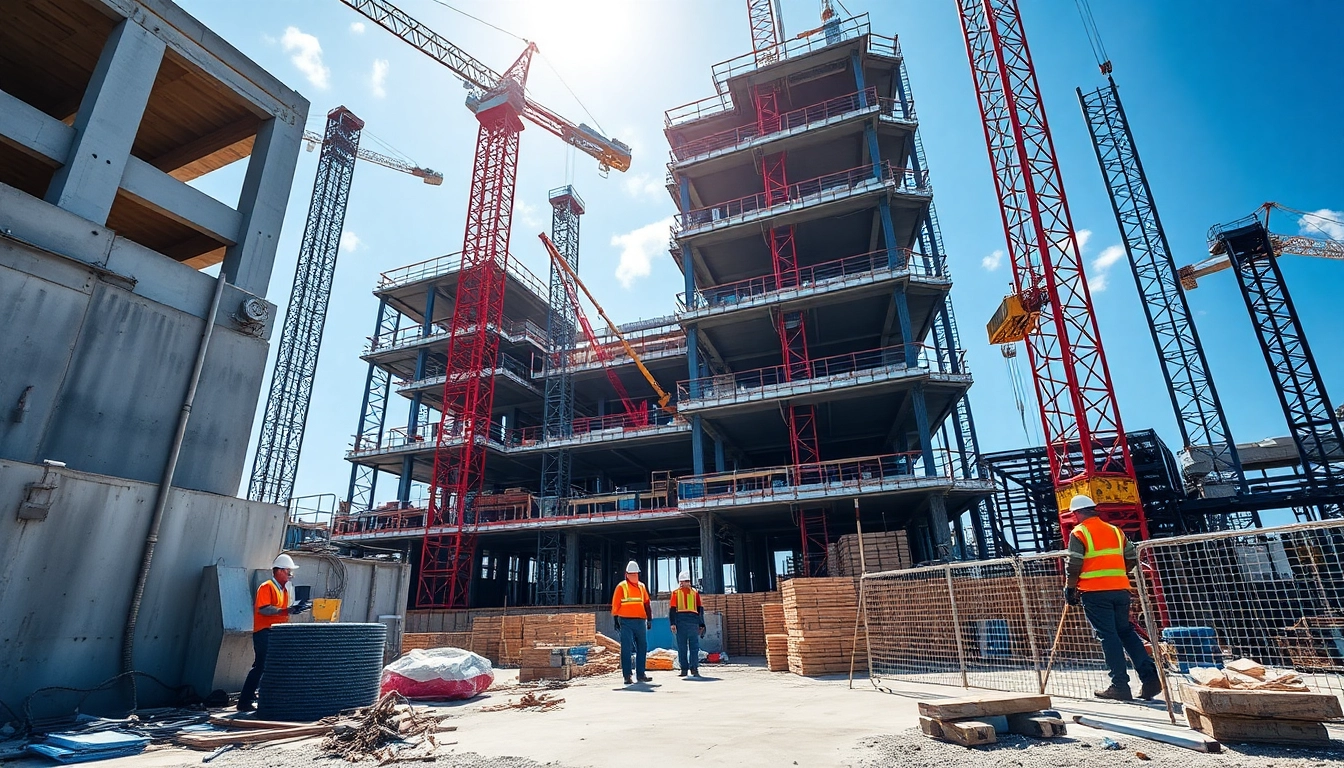
Austin construction workers collaborating on a busy site with cranes overhead.

The Current State of Austin Construction

Market Overview and Growth Trajectory

The Austin construction market has been experiencing significant growth over the past decade, propelled by a robust economy, an influx of new residents, and a booming tech industry. As a vibrant hub for innovation, Austin has seen its population swell, leading to a surge in demand for both residential and commercial developments. Recent studies indicate that this trajectory is expected to continue, further encouraging investments in the sector. The market is evolving, with opportunities for builders and developers to capitalize on emerging trends and technologies, making Austin construction a vital focus for many stakeholders in the industry.

Key Segments in Austin Construction

The construction landscape in Austin can be categorized into several key segments, each contributing to the overall growth of the industry. These segments include:

  • Residential Construction: As demand for housing continues to soar, residential construction remains the largest segment, encompassing single-family homes, multi-family units, and affordable housing projects.
  • Commercial Construction: This segment includes office buildings, retail spaces, and mixed-use developments, attracting businesses looking to capitalize on Austin’s growing consumer base.
  • Infrastructure Development: Investment in public infrastructure, such as roads, schools, and public transport systems, is crucial for accommodating the increasing population and facilitating economic growth.
  • Sustainable and Green Building: A growing emphasis on sustainability is driving the adoption of eco-friendly materials and energy-efficient designs, influencing new construction standards across all segments.

Challenges Facing the Industry

Despite its growth, the Austin construction industry faces several challenges that could impact future developments. Key issues include:

  • Labor Shortages: A chronic shortage of skilled labor has been a significant concern, impacting project timelines and costs.
  • Rising Material Costs: Fluctuations in material prices have led to budget overruns and project delays, requiring contractors to adopt more flexible bidding strategies.
  • Zoning and Regulatory Issues: Navigating local regulations can be complex, especially for developers looking to implement innovative designs or expand into new areas.
  • Climate Considerations: Increasing awareness of climate change is pressuring builders to create resilient designs while adhering to evolving environmental regulations.

Innovative Technologies in Austin Construction

Smart Building Solutions

Smart building technologies are becoming essential in the Austin construction landscape. These technologies enhance building efficiency, safety, and occupant comfort. Solutions such as integrated building management systems (BMS), IoT sensors, and real-time monitoring applications enable property managers to optimize energy usage, manage resources effectively, and monitor construction progress. The integration of smart technologies not only improves operational efficiency but also adds value to properties, catering to a tech-savvy consumer base.

Research on Sustainability Trends

Sustainability in construction is not merely a trend; it’s rapidly becoming a fundamental expectation. Research shows that a significant percentage of homebuyers prioritize energy-efficient and sustainable homes. Builders in Austin are responding by incorporating green materials, energy-efficient appliances, and innovative designs that minimize environmental impact. Moreover, compliance with local sustainability initiatives is essential for gaining permits and securing financing, underscoring the importance of sustainable practices in future construction projects.

Adoption Rates of New Technology

The adoption rates of new technologies in the Austin construction segment vary widely across companies and project types. While larger firms often have the capital to invest in cutting-edge tools such as Building Information Modeling (BIM) and 3D printing, smaller companies may be slower to adopt due to budget constraints or lack of expertise. Supporting knowledge sharing and providing training solutions will be pivotal for boosting technology adoption, ensuring that all stakeholders can maximize efficiency and remain competitive in a rapidly evolving marketplace.

Best Practices for Austin Construction Projects

Efficient Project Planning Techniques

Efficient project planning is crucial for minimizing delays and managing budgets effectively. Several best practices include:

  • Establishing Clear Goals: Define project objectives and performance indicators at the outset to streamline decision-making.
  • Utilizing Project Management Software: Employing digital tools can enhance collaboration and transparency among stakeholders, ensuring everyone is aligned.
  • Conducting Risk Assessments: Regularly assess potential risks and create mitigation plans to address them proactively.
  • Communication Strategies: Foster a culture of open communication among teams to facilitate quick problem-solving and adaptability throughout the project.

Cost Management Strategies

Effective cost management is essential for sustaining margins in a competitive construction environment. Key strategies include:

  • Detailed Budgeting: Develop comprehensive budgets that account for all potential expenses, including contingencies for unexpected challenges.
  • Cost Tracking in Real Time: Implement tools that allow for the real-time tracking of expenses against the projected budget to identify and address discrepancies early.
  • Supplier Relationships: Build strong relationships with suppliers to negotiate better terms and ensure timely material delivery, reducing the risk of delays.
  • Lean Construction Principles: Adopt lean practices that prioritize efficiency and waste reduction, ultimately aiding in cost control.

Compliance with Local Regulations

Compliance with local regulations is critical for avoiding legal complications and fines. To stay compliant:

  • Understand Local Laws: Have a thorough understanding of local construction codes, zoning laws, and environmental regulations.
  • Engage with Regulatory Bodies: Establish communication channels with local authorities to clarify requirements and obtain necessary permits early in the planning process.
  • Regular Training: Invest in ongoing training for staff to stay informed about changes in regulations and compliance standards affecting the construction industry.

Case Studies: Successful Austin Construction Projects

Residential Developments Impacting the Market

Several residential developments in Austin have significantly impacted the housing market by addressing the needs of a growing population. These projects often focus on affordability, sustainability, and community amenities. Notably, mixed-income housing developments have gained attention for successfully integrating affordable options within desirable neighborhoods, helping to alleviate some of the pressure on the housing market.

Commercial Projects Redefining Standards

Commercial projects in Austin showcase innovative design and functionality, setting new standards for future developments. Such projects often incorporate flexible spaces that encourage collaboration, as well as sustainable practices that enhance energy performance. As a result, these developments not only attract tenants but also foster community interaction and engagement, transforming the urban landscape.

Community Initiatives and Their Role

Community-driven initiatives play a vital role in shaping construction projects in Austin. By involving local residents in the planning process, developers can create spaces that meet the needs and desires of those who will use them. Successful projects often include parks, public spaces, and community centers, reinforcing the connection between development and community well-being.

Future Outlook for Austin Construction

Predicted Trends in the Next Decade

The next decade for Austin construction will likely be characterized by several key trends, including an increased focus on sustainability, an expansion of smart building technologies, and a rise in adaptive reuse projects as urban areas become denser. Furthermore, as remote work continues to influence commercial real estate, developers may prioritize creating flexible spaces that cater to evolving work habits.

Impact of Policy Changes

Policy changes will significantly shape the future of Austin construction. Local government initiatives aimed at growth management, sustainable development, and affordable housing will be crucial for steering construction companies towards practices that benefit both the economy and the community. Stakeholders must stay informed and engaged to adapt to these changes promptly.

Community Involvement and Its Importance

Community involvement is more important than ever in the future of Austin construction. By embracing a collaborative planning approach, developers will not only foster goodwill but also tap into local knowledge that can inform better design and functionality. As community engagement becomes a priority, successful developments will emerge from a synergy between builders, residents, and local organizations, enhancing the overall quality of life in the area.

Frequently Asked Questions

What is driving the growth of Austin construction?

The growth of Austin construction is driven by a booming economy, increasing population, and demand for both residential and commercial spaces, alongside a robust tech industry.

How can builders manage costs effectively?

Builders can manage costs by creating detailed budgets, tracking expenses in real-time, fostering supplier relationships, and adopting lean construction practices to minimize waste.

What are the challenges in hiring skilled labor in Austin construction?

The construction industry in Austin faces challenges like a shortage of skilled labor, which can delay projects and escalate costs due to high demand for workers.

How are smart technologies impacting Austin construction?

Smart technologies improve building efficiency, safety, and occupant comfort, enabling better management of resources and enhancing property value in the Austin construction market.

Why is community involvement crucial for construction projects?

Community involvement ensures that developments meet local needs and preferences while fostering goodwill among residents, leading to more successful and sustainable projects.

Posted on

Experience the Community Spirit of Clarksburg Through Local Events and Attractions

Visitors enjoying Clarksburg's lively outdoor market filled with colorful produce and crafts.

Understanding Clarksburg: A Vibrant Community

Clarksburg is a community rich in history and culture, drawing visitors for its charm and collective spirit. This vibrant area fosters a sense of belonging among its residents and a warm welcome for newcomers and visitors alike. Its unique blend of historical narratives, diverse culture, and numerous attractions makes clarksburg a must-visit destination in the region.

The History of Clarksburg

Clarksburg’s history is a tapestry woven from various cultural threads. Established over a century ago, it has seen growth and transformation from a rural community into a spirited town bustling with activity. The early days were marked by industrious settlers who laid the groundwork for the agriculture and commerce that define the area today. Preservation of local heritage can be seen in the historical buildings and sites scattered across the town.

Culture and Diversity in Clarksburg

The cultural fabric of Clarksburg is vibrant and diverse. The town’s residents come from various backgrounds, contributing to a lively community atmosphere. This melting pot of cultures is celebrated through numerous events, local cuisine, and art exhibitions, promoting understanding and unity. Festivals highlight traditional practices, while community centers often host workshops that embrace diversity, making it an inclusive place for all.

Reasons to Visit Clarksburg

Visitors flock to Clarksburg for numerous reasons, including the beautiful landscapes, engaging community activities, and historical significance. The well-preserved parks offer serene spots for relaxation and family activities. The local events calendar is packed with festivals, art exhibitions, and performances, ensuring that there is always something happening. Additionally, the warm hospitality of Clarksburg’s residents makes any visit memorable.

Clarksburg Attractions: Must-See Spots

Parks and Outdoor Activities

Outdoor enthusiasts will find plenty to love in Clarksburg. The area features several parks that showcase the natural beauty of the landscape. Walking trails, picnic spots, and well-maintained gardens provide perfect opportunities for hiking and family outings. Active visitors can enjoy various sports facilities or participate in community-organized outdoor events throughout the year.

Local Museums and Historical Sites

Clarksburg’s commitment to preserving history is reflected in its museums and historical sites. The local museum offers insights into the region’s past through exhibits that showcase artifacts, photographs, and stories from earlier times. Additionally, historical buildings provide a glimpse into architectural styles and community life during different eras, making them an enriching stop for history buffs.

Art and Entertainment Venues in Clarksburg

Art and entertainment thrive in Clarksburg, with venues that showcase local talent and cultural expressions. The community hosts regular art shows, theater performances, and musical concerts, making it a hub of creativity. Visiting art galleries and attending local performances can enhance appreciation for the artisans and performers shaping the local cultural scene.

Local Events: Celebrating Clarksburg

Annual Festivals and Fairs

Throughout the year, Clarksburg is alive with festivals and fairs that celebrate local culture and community spirit. Annual events such as farmer’s markets, holiday celebrations, and art fairs attract residents and visitors alike. These festivals offer opportunities for socializing, enjoying local products, and experiencing the unique spirit of the community.

Community Workshops and Classes

Clarksburg emphasizes lifelong learning and creativity through community workshops and classes. These educational opportunities range from art and cooking to technology and sustainability. Residents gather to share skills and knowledge, fostering a strong sense of community involvement and personal growth.

Seasonal Events to Experience

Seasonal events in Clarksburg celebrate the changing climate and cultural milestones. Spring brings flower festivals, summer hosts outdoor movie nights, fall showcases harvest festivals, and winter lights up with holiday celebrations. These events are perfect for families and individuals looking to engage with the community and create lasting memories.

Dining in Clarksburg: A Culinary Adventure

Top Local Restaurants

Food lovers will appreciate the diverse culinary scene in Clarksburg. Local restaurants serve a variety of cuisines, offering everything from classic American dishes to international flavors. Many establishments pride themselves on using fresh, locally sourced ingredients, ensuring a true taste of the region. Diners can enjoy everything from casual family eateries to upscale dining experiences, catering to all tastes and preferences.

Cafes and Bakeries Worth Trying

Aside from restaurants, Clarksburg is home to charming cafes and delightful bakeries that are perfect for a quick bite or leisurely coffee break. From artisan coffee shops to bakeries known for their pastries, these spots are ideal for catching up with friends or relaxing after exploring the town. Many of them also feature local artwork and host events that enhance the community feel.

Food Festivals in Clarksburg

Food festivals are a highlight in Clarksburg, celebrating the harvest and culinary talents of local chefs and home cooks. These events bring together the community to enjoy delicious foods, participate in cooking demonstrations, and discover new recipes. Food festivals also promote local businesses, creating a vibrant atmosphere that enhances the culinary landscape of Clarksburg.

Planning Your Visit to Clarksburg

Best Times to Visit Clarksburg

The best times to visit Clarksburg are spring and fall when the weather is mild and events are plentiful. Spring brings blooming flowers and vibrant community activities, while fall offers stunning foliage along with harvest festivals. Each season provides unique experiences that highlight the town’s beauty and vitality.

Accommodation Options in Clarksburg

Clarksburg offers a variety of accommodation options to suit any visitor’s needs, including hotels, bed-and-breakfasts, and vacation rentals. Choosing a centrally located place can enhance your experience, making it easy to explore local attractions and events. Many accommodations provide insights into the best local experiences, helping guests to discover the hidden gems of the community.

Travel Tips for Exploring Clarksburg

When planning your trip to Clarksburg, consider local transportation options to get around easily. Walking is ideal in areas with parks and shops, while cycling is encouraged in warmer months. Engaging with locals can also enhance your experience, as they often have the best recommendations for dining, attractions, and events.

FAQs

What are the best times to visit Clarksburg?

The ideal times to visit Clarksburg are in spring and fall when the weather is mild and events are plentiful.

What family-friendly activities are available in Clarksburg?

Clarksburg offers parks, local festivals, and workshops that cater to families and promote community engagement.

Are there local markets in Clarksburg?

Yes, Clarksburg hosts weekly outdoor markets featuring fresh produce, handmade goods, and local delicacies.

What are some historical sites to explore in Clarksburg?

Clarksburg has several museums, monuments, and historical buildings that reflect its rich heritage and culture.

How can I find local events in Clarksburg?

Local events can typically be found on community boards, social media pages, or the Clarksburg visitor website.

Posted on

Elevate Your Career Prospects: Top Trade School Knoxville TN Programs

Students training at a Trade School Knoxville TN showcasing hands-on learning in a vibrant environment.

Understanding Trade School Knoxville TN

What is a Trade School?

Trade schools, also commonly referred to as vocational or technical schools, are educational institutions that specialize in providing targeted education and training in specific trades or occupations. Unlike traditional institutions that offer a broader liberal arts education, trade schools focus on practical skills and hands-on training intended to prepare students directly for the workforce. In Knoxville, TN, these schools offer a gateway for individuals who want to quickly gain the necessary skills to start a rewarding career in fields like plumbing, electrical work, automotive technology, and healthcare.

Benefits of Attending a Trade School Knoxville TN

One of the most significant benefits of attending a Trade School knoxville Tn is the shortened duration of programs compared to traditional colleges. Many trade programs can be completed in less than two years, allowing students to enter the workforce faster. Furthermore, the hands-on experience gained through apprenticeships and lab sessions ensures that graduates are job-ready.

Additionally, trade school programs often focus on in-demand fields, providing students with skills that align with current job market needs. This can lead to higher job placement rates and a smoother transition from education to employment.

Another benefit is often the lower cost of tuition compared to four-year degrees, which can significantly reduce student debt. Trade schools not only help students gain viable employment but also enhance earning potential through specialized skills development.

Comparing Trade School with Traditional College

When evaluating educational paths, it’s essential to compare trade schools with traditional colleges. Trade schools emphasize practical skills and prepare students for specific careers, which may allow for quicker employment opportunities. Traditional colleges, on the other hand, provide a broader education, covering a range of subjects over four years, leaving graduates with a degree that might require further specialization.

Cost is another area of comparison. Trade schools often provide a more affordable path to employment, with lower tuition fees and shorter program lengths. Meanwhile, traditional college can burden students with long-term debt due to extensive tuition and living expenses.

Lastly, consider the classroom environment. Trade schools tend to have smaller class sizes focused on practical lab work, which can offer more personalized attention, whereas traditional colleges might foster larger lecture-based classes.

Programs Offered at Trade School Knoxville TN

Popular Trade Programs and Courses

The offerings at trade schools in Knoxville, TN, are diverse and designed to cater to various interests and career goals. Some popular programs include:

  • Electrician Training: Focuses on both high-voltage and low-voltage systems, preparing students for various electrical installation and maintenance jobs.
  • Heating, Ventilation, and Air Conditioning (HVAC): Teaches students to install, maintain, and repair HVAC systems.
  • Automotive Technology: Covers diagnostic, repair, and maintenance skills for all types of vehicles.
  • Plumbing: Provides training for installing and servicing plumbing systems in residential and commercial buildings.
  • Cosmetology: Offers instruction in hair, skin, and nail care, preparing students for state licensure.

Certification and Licensure Opportunities

Graduates from trade schools often have the opportunity to gain industry-recognized certifications and licenses. For instance, electricians may pursue licensing through the state, while HVAC technicians often gain certification in specific systems that demonstrate their competence to employers. These credentials not only enhance a graduate’s employability but also often lead to higher salaries. For individuals looking to stand out in the competitive job market in Knoxville, pursuing these certifications is highly recommended as they validate skills and knowledge in a specific trade.

How to Choose the Right Program

Choosing the right trade program involves several factors. Prospective students should consider their personal interests and career aspirations. Researching local job demand for various trades in Knoxville is also crucial, as enrolling in a program with high local demand can lead to better job placement upon graduation.

Cost and program length can also impact decision-making. Many trade schools offer financial aid options, so it’s advisable to evaluate all potential costs and workloads before deciding. Speaking with current students and alumni can further provide insight into the effectiveness of a program and the experiences of graduates in the workforce.

Admission Process for Trade School Knoxville TN

Application Requirements and Deadlines

The admission process for trade schools in Knoxville typically involves submitting an application form, high school transcripts or equivalent credentials, and, in some cases, recommendations from teachers or professionals in the field. It’s essential to check each school’s specific requirements and deadlines, as these can vary. Many schools operate on a rolling admission basis, allowing students to apply at various points throughout the year.

Financial Aid Options Available

Many trade schools offer financial aid options to help students manage costs. These can include federal financial aid, grants, scholarships, and payment plans. Students are encouraged to complete the Free Application for Federal Student Aid (FAFSA) to determine eligibility for federal student loans and grants. Local organizations and trade unions may also offer scholarships specifically for individuals pursuing trades.

Preparing for Enrollment

Preparation for enrollment often includes completing any necessary prerequisite courses and ensuring that all required documentation is submitted. Prospective students should also consider preparing for practical elements of training, especially if they plan to pursue hands-on fields. Attending information sessions or campus tours can also help in making a fully informed decision.

Career Outcomes After Trade School Knoxville TN

Job Placement Rates and Support Services

One of the critical factors when evaluating trade schools is their job placement rates. Many institutions offer career services that help students transition from education to employment. This may include résumé workshops, interview preparation, and job fairs that connect graduates with local employers. In Knoxville, successful programs often exhibit job placement rates exceeding 80%, showcasing their effectiveness in preparing students for the workforce.

Average Salaries for Trade Graduates

Graduates from trade schools in Knoxville can expect competitive salaries that vary by industry. For example, electricians and HVAC technicians might earn between $45,000 and $65,000 annually, while automotive technicians can make around $40,000 to $55,000. Salaries are influenced by factors such as location, level of experience, and specialization. Graduates with additional certifications or extensive experience in their field generally command higher salaries and better job positions.

Real-World Examples of Successful Graduates

Many trade school graduates have gone on to achieve significant success in their respective fields. For instance, a graduate in HVAC might start their own repair business and earn a six-figure income due to high demand. Similarly, a plumbing graduate might rise through apprenticeships to establish a reputable service company. These success stories highlight the effectiveness of vocational training in laying the groundwork for a prosperous career in rewarding trades.

Frequently Asked Questions about Trade School Knoxville TN

How long does it take to complete a trade program?

Most trade programs can be completed in 6 months to 2 years, depending on the field and course load.

What are the costs associated with attending trade school?

Costs vary greatly by program but generally include tuition, materials, and fees. Some programs offer financial aid.

Can I work while attending trade school?

Many trade schools offer flexible schedules allowing you to work part-time while studying.

Are trade school programs accredited?

Accreditation varies; it’s vital to choose an accredited school for recognized credentials.

What types of jobs can I get after graduation?

Graduates can pursue various careers such as electricians, plumbers, or technicians, often with high demand in the job market.

Posted on

Building a Successful Career: Your Guide to Electrician Apprenticeship Hawaii

Engaged apprentices in electrician apprenticeship hawaii workshop setting.

Understanding Electrician Apprenticeship Hawaii

Embarking on a career as an electrician can be both fulfilling and lucrative. For those interested in pursuing this career path, an electrician apprenticeship hawaii offers a structured way to gain essential skills and experience. In Hawaii, the demand for skilled electricians continues to rise, stemming from the ongoing growth in construction and renovation projects across the islands. Understanding what an electrician apprenticeship entails is vital for aspiring electricians looking to make their mark in this field.

What is an Electrician Apprenticeship?

An electrician apprenticeship is a formal training program that combines on-the-job training with classroom instruction. Typically lasting four to five years, these programs are designed to equip participants with the skills needed to perform installations, repairs, and maintenance on electrical systems. Apprentices work under the supervision of licensed electricians, allowing them to learn through real-world experience while earning a wage.

Benefits of Pursuing an Electrician Apprenticeship Hawaii

Choosing to enter an electrician apprenticeship in Hawaii presents numerous advantages:

  • Hands-On Experience: Apprentices gain practical skills under expert guidance, enhancing their confidence and competence.
  • Financial Incentive: Apprentices earn while they learn, making it a viable option for those who may not have the means to pursue a full-time education without income.
  • Career Advancement: Completing an apprenticeship opens doors to various advanced positions within the electrical field, including Master Electrician roles.
  • Job Security: With the constant demand for electricians in Hawaii, apprentices are likely to find steady employment opportunities upon completion of their training.
  • Credentials: Graduating from an accredited apprenticeship program adds credibility and improves marketability in the electrical trade.

Key Skills Required for Electrician Apprenticeship

To excel in an electrician apprenticeship, applicants should possess certain fundamental skills:

  • Mathematics: Electricians frequently use algebra and geometry to calculate currents and voltages.
  • Problem-Solving: Identifying and resolving issues promptly is crucial in electrical work.
  • Attention to Detail: Precision is paramount in electrical installations and repairs to prevent hazards.
  • Physical Stamina: The job often requires physical strength and endurance due to the nature of the work.
  • Communication Skills: Effective communication with clients and team members enhances work efficiency and customer satisfaction.

Finding the Right Electrician Apprenticeship Hawaii Program

Choosing the right apprenticeship program is essential for a successful career in electrical work. Here are steps to help you find the right fit:

Researching Programs in Hawaii

Start by researching available apprenticeship programs within your locality. Resources such as local union websites, vocational schools, and community colleges can provide information about accredited programs. When researching, consider factors such as program reputation, review from former apprentices, and the curriculum offered.

Application Process Overview

The application process typically involves submitting an application form, providing proof of education, and attending an interview. Some programs may require candidates to pass a basic skills test, particularly in mathematics and reading comprehension. Be prepared to express your interest and commitment to the electrical trade during the interview process.

Evaluating Program Quality

Once you’ve identified potential programs, evaluating their quality is crucial. Look for accredited programs that offer a comprehensive curriculum, continuous support, and experienced instructors. Alumni success stories can also serve as indicators of a program’s effectiveness and reliability in preparing future electricians.

Training and Education Components

Effective electrician training encompasses a balanced combination of hands-on and theoretical education. Here’s a closer look at these components:

Hands-On Training Experiences

Hands-on training is a critical aspect of any electrician apprenticeship. It allows apprentices to work directly on electrical systems, wiring, and installations under the supervision of experienced professionals. This immersive experience enables apprentices to apply theoretical knowledge, troubleshoot issues, and develop a robust skill set in real-world scenarios.

Classroom Learning Essentials

Classroom instruction is equally important. Apprentices learn about electrical theory, safety protocols, building codes, and the National Electrical Code (NEC). Such knowledge is vital for ensuring that all work complies with regulations and industry standards, ultimately promoting safety in electrical practices.

Staying Updated with Industry Standards

The electrical field is continuously evolving, with new technologies and practices emerging regularly. Ongoing education is essential; apprentices should aim to participate in workshops, industry conferences, and additional training courses even after completing their apprenticeship. Staying informed about changes in building codes, standards, and technology advancements will contribute to professional growth and career longevity.

Career Opportunities After Electrician Apprenticeship Hawaii

Completing an electrician apprenticeship in Hawaii opens various job opportunities across the electrical industry. Here’s what you can expect:

Job Roles and Responsibilities

After successfully completing the apprenticeship, electricians generally take on roles that may include:

  • Residential Electrician: Conducting installations and repairs in homes, including lighting and electrical systems.
  • Commercial Electrician: Working in business environments, focusing on larger electrical systems and specialized installations.
  • Industrial Electrician: Employing specialized knowledge in manufacturing and production facilities.

Advancement Opportunities

With experience, electricians may pursue further specialization, moving into roles such as project management, field supervision, or even starting their own electrical contracting businesses. Continuing education and certifications can facilitate these advancements and enhance earning potential.

Networking within the Industry

Building a professional network is essential in the electrical industry. Joining industry associations, attending trade shows, and connecting with fellow professionals can provide valuable resources and opportunities. Networking often leads to job referrals, mentorship, and collaboration on projects, which can be beneficial for career growth.

Frequently Asked Questions about Electrician Apprenticeship Hawaii

What Is the Duration of an Electrician Apprenticeship in Hawaii?

Typically, an electrician apprenticeship in Hawaii lasts four to five years, combining hands-on training with classroom instruction. Accelerated programs may exist but generally adhere to this timeframe.

How to Prepare for an Electrician Apprenticeship Interview?

To prepare for an interview, research the program, express your interest in the electrical trade, and demonstrate your relevant skills. Dress professionally and prepare to discuss any prior experience or training.

Are Electrician Apprentices Paid in Hawaii?

Yes, apprentices in Hawaii typically receive hourly wages that increase as they progress through their training. This allows them to earn while they learn, providing financial support during their apprenticeships.

What Skills Do I Need to Start an Electrician Apprenticeship?

Applicants should have a strong foundation in mathematics, good problem-solving skills, physical stamina, and effective communication abilities. These skills are crucial for success in the apprenticeship program.

Can I Substitute Experience for an Apprenticeship?

Some programs may allow for certain work experience to substitute for formal apprenticeship training. However, this varies by program and may not apply to all positions in the electrical field.

Posted on

Reliable Austin Senior Home Care: Compassionate Solutions for Your Loved One

Engaging austin senior home care professional helping a senior woman in a cozy living room.

Understanding Austin Senior Home Care Needs

Assessing Individual Care Requirements

The journey to find appropriate austin senior home care starts with a thorough assessment of the individual needs of the senior. This assessment encompasses their physical, emotional, and cognitive capabilities, and it is crucial to involve medical professionals, family members, and the elderly person themselves in this process. Considerations might include mobility issues, chronic illnesses, dietary restrictions, and personal preferences. An individualized care plan should be developed based on these assessments, ensuring that it addresses specific needs while promoting independence and dignity.

Types of Services Available

Austin senior home care services can vary widely, ranging from companionship to more complex medical care. Common services include:

  • Personal Care: Assistance with daily activities such as bathing, dressing, and grooming.
  • Meal Preparation: Planning and cooking meals that cater to dietary needs and preferences.
  • Medication Management: Reminders and assistance in taking medications on time and in the right dosages.
  • Mobility Assistance: Help with moving around the home or during outings.
  • Companionship: Emotional support and social interaction to combat loneliness.
  • Medical Care: Services provided by trained nurses for monitoring health conditions and administering medication.

Considerations for Choosing the Right Provider

Selecting a home care provider in Austin requires careful consideration. Factors should include the agency’s reputation, the qualifications of caregivers, available services, and the flexibility to adapt care as needs change. Recommendations from other families, checking online reviews, and interviewing potential caregivers can also aid in making an informed decision. Contracts should be reviewed carefully to understand costs, services, and cancellation policies.

Benefits of In-Home Care for Seniors

Increased Comfort and Familiarity

One of the primary advantages of austin senior home care is that it allows seniors to remain in the comfort of their own homes. This familiar environment helps reduce anxiety and stress, resulting in an overall sense of security. Surrounded by personal belongings, familiar smells, and cherished memories, seniors can maintain their daily routines, which significantly enhances their emotional well-being.

Improved Quality of Life

In-home care can greatly enhance seniors’ quality of life by providing personalized care that addresses their unique needs. With dedicated caregivers, activities and engagement can be tailored to promote mental stimulation and physical activity. This custom approach ensures that seniors feel valued and acknowledged, fostering a sense of purpose and happiness.

Enhanced Independence and Dignity

Maintaining independence is vital for seniors, and home care delivers just that. Allowing seniors to manage their schedules and lifestyles while receiving assistance promotes self-esteem and dignity. Caregivers encourage seniors to engage in daily activities like gardening, cooking, and taking walks, thereby fostering a sense of achievement without compromising safety.

How to Find Quality Austin Senior Home Care Services

Researching Reliable Providers

The initial step in finding suitable austin senior home care is thorough research. Utilize online platforms, community resources, and referrals to compile a list of potential providers. Pay attention to their service offerings, areas of specialization, and any available certifications that could indicate a quality standard.

Checking Credentials and Reviews

Before finalizing a home care provider, it’s essential to validate their credentials. Check their licensing, insurance coverage, and certification from governing bodies. Additionally, reading reviews from other families can provide insights into the quality of care and customer service. Consider reaching out to previous clients to gauge their experiences directly.

Understanding Costs and Payment Options

Understanding the costs associated with austin senior home care is crucial. Obtain detailed breakdowns of service charges, including hourly rates, flat fees, and any additional costs for specialized services. Inquire about payment options such as insurance acceptance, government programs, or financing plans to help alleviate financial stress.

Frequently Asked Questions About Austin Senior Home Care

What Services are Included in Austin Senior Home Care?

Austin senior home care includes personal care, companionship, meal preparation, medication management, and skilled nursing services. The specific services can be tailored to meet individual needs.

How Do I Know If My Loved One Needs Home Care?

Signs that a loved one may need home care include difficulties with daily activities, memory loss, frequent falls, and changes in behavior. Consulting with healthcare professionals can provide additional guidance.

Can Seniors Customize Their Care Plans?

Yes, care plans are typically customized to fit the specific needs and preferences of seniors. Care providers work closely with families to ensure plans are flexible and adaptable as situations change.

How Much Does Austin Senior Home Care Typically Cost?

The cost of Austin senior home care generally ranges from $26 to $28 per hour, depending on the level of care required and specific services needed. It’s advisable to inquire about specific pricing when researching providers.

Are Caregivers Trained Professionals?

Most in-home care providers hire caregivers who have undergone extensive training in personal care, first aid, and emergency protocols. It’s important to ask about training specifics and ongoing education for caregivers.

Keys to Successful Communication with Care Providers

Establishing Clear Goals and Expectations

To ensure the effectiveness of austin senior home care, clear goals and expectations should be established from the outset. Families should communicate openly with care providers about their concerns, expectations, and the desired outcomes for their loved ones.

Regular Check-Ins and Progress Tracking

Regular check-ins are vital for assessing the effectiveness of the care provided. Scheduling periodic meetings with the caregiver to discuss progress, address issues, and update care plans can help maintain open lines of communication and trust.

How Family Can Support Seniors’ Care

Family involvement plays a crucial role in the success of in-home care. Regular visits, phone calls, and support can motivate seniors and enhance their overall well-being. Family members should actively communicate with caregivers, providing feedback and helping to navigate any challenges that arise.

Posted on

Elevate Your Gear with Functional and Stylish Fly Fishing Apparel

Model showcasing stylish Fly fishing apparel in a serene outdoor setting.

Understanding Fly Fishing Apparel

What Is Fly Fishing Apparel?

Fly fishing apparel refers to specialized clothing designed specifically for anglers engaged in fly fishing. This type of apparel is made with features that cater to the unique needs of fly fishing, such as moisture management, sun protection, and durability. The function of this apparel goes beyond aesthetics; it plays a crucial role in enhancing an angler’s experience on the water. When you choose the right Fly fishing apparel, you’re not just dressing for the occasion; you’re equipping yourself for success.

Importance of Proper Gear

Utilizing proper gear is vital for enhancing your performance and enjoyment in fly fishing. The right apparel ensures comfort throughout your fishing trips, allowing you to focus on your technique and enjoy the scenery. It protects against the elements, such as sun exposure and varying weather conditions, which can lead to fatigue or even health risks if not adequately addressed. Moreover, the right gear can significantly improve mobility and reach, aiding in casting and retrieving with better efficiency.

Key Features to Look For

When selecting fly fishing apparel, it’s essential to consider several key features. Look for fabrics that offer moisture-wicking capabilities to keep you dry and comfortable by moving sweat away from your skin. Sun protection is another important feature, typically denoted by UPF ratings, which help shield against UV rays. Additionally, durability and breathability are vital for clothing to withstand wear while allowing air circulation. Features like pockets and quick-drying materials can also significantly enhance your fishing experience.

Types of Fly Fishing Apparel

Shirts and Tops for Comfort

Shirts made specifically for fly fishing often come with built-in UPF protection, lightweight fabric, and breathable designs that ensure comfort during long hours on the water. Long-sleeved shirts provide added sun protection, while short-sleeved options can be more comfortable in heat. Ventilation features, such as mesh panels or moisture-wicking materials, are strategic elements to look for to keep cool while casting and reeling.

Bottoms: Shorts vs. Pants

The choice between shorts and pants largely depends on the fishing environment and your personal preferences. Lightweight, quick-drying shorts are excellent for warm weather and provide the freedom of movement needed for casting. On the other hand, long pants protect against sun exposure and insect bites while maintaining comfort with breathable designs. Some anglers prefer convertible pants, which offer versatility by transforming from pants to shorts when the weather changes.

Outer Layers for All Weather

Outer layers are crucial for fishing in varied weather conditions. A good shell jacket, preferably waterproof and breathable, can protect against rain and wind. Layering is an effective strategy, as it allows you to adjust to temperature changes throughout the day. Fleece-lined jackets provide warmth without bulk, making them a favored choice for cooler conditions. Look for jackets with features like adjustable hoods, cuffs, and hem to ensure a snug fit that keeps out the elements.

Benefits of Investing in Quality Fly Fishing Apparel

Enhancing Performance on the Water

Quality fly fishing apparel is designed to enhance performance significantly. By utilizing advanced materials and thoughtful designs, these garments facilitate better movement and flexibility, allowing anglers to cast with precision. Additionally, moisture-wicking and breathable fabrics keep you comfortable, ensuring fatigue does not detract from your fishing experience. Comparing quality gear to generic options often highlights the performance differences that can bolster your success on the water.

Comfort and Protection from Elements

Fly fishing exposes you to various outdoor elements, making comfort and protection paramount. Quality apparel provides effective shielding from sunburn, insect bites, and harsh weather conditions. Materials designed for breathability also reduce overheating, fostering an enjoyable fishing experience even during long trips. By investing in protective apparel, you can focus more on your craft and less on discomfort or health risks.

Long-term Cost Savings

While quality fly fishing apparel may come with a higher upfront cost, the long-term savings can be substantial. Durable materials withstand wear and tear from frequent fishing trips, minimizing the need for replacements. Additionally, quality garments often come with better warranties and return policies, ensuring your investment is protected. Choosing high-quality apparel means fewer purchases over time, which can play a significant role in overall fishing expenses.

Top Trends in Fly Fishing Apparel

Eco-friendly Fabric Innovations

Environmental sustainability is gaining traction in the fishing apparel industry. Many brands now focus on using eco-friendly fabrics that minimize environmental impact, such as recycled materials or organic cotton. These innovations appeal to eco-conscious consumers while still offering the high performance required in enhancing the fishing experience.

Multifunctional Clothing Options

Modern anglers are increasingly leaning towards multifunctional clothing that serves multiple purposes. Clothing designed to transition seamlessly from the water to casual settings is becoming more popular. Features such as quick-drying fabrics, stylish silhouettes, and performance attributes make these garments suitable for everyday wear as well, offering convenience and versatility for fishing enthusiasts.

Fashion Meets Function in Today’s Designs

Today’s fly fishing apparel blends style with functionality, allowing anglers to look good while enjoying their sporting pursuits. Enhanced styles, colors, and modern cuts are prevalent, reaching beyond traditional outdoor aesthetics. This trend helps attract new anglers who seek fashionable yet functional clothing that suits their lifestyle and reflects their personality.

Frequently Asked Questions About Fly Fishing Apparel

What should I look for in fishing shirts?

When choosing fishing shirts, prioritize moisture-wicking fabrics, UPF protection, and breathability. Features like ventilation, pockets, and comfortable fits also enhance functionality.

Are moisture-wicking fabrics important?

Yes, moisture-wicking fabrics are crucial as they draw sweat away from your skin, keeping you comfortable and dry. This helps prevent overheating and chafing during fishing activities.

How do I choose the right size for apparel?

To choose the right size, refer to the manufacturer’s sizing chart and consider the fit you desire. Measure your body, particularly the chest and waist, and compare it to the chart for accuracy.

What are the care instructions for fly fishing apparel?

Care instructions vary by fabric; typically, washing on a gentle cycle with cold water, avoiding bleach, and hanging to dry is recommended to maintain performance features.

Do I need special footwear for fly fishing?

Yes, special footwear designed for fly fishing offers comfort, stability, and protection. Wading boots are essential for fishing in rivers or streams, providing traction and support.

Posted on

Captivating Clarksburg Wedding Venues: A Perfect Setting for Your Special Day

Charming outdoor setup at Clarksburg Wedding Venues showcasing elegant chairs and floral decor.

1. Overview of Clarksburg Wedding Venues

Finding the perfect wedding venue is one of the most critical aspects of planning your big day. From scenic backdrops to elegant indoor spaces, Clarksburg offers a diverse array of wedding venues suited for every couple’s style and budget. In particular, the stunning landscapes and charming settings found in the region make Clarksburg Wedding Venues an attractive choice for couples looking to tie the knot.

1.1 Types of Venues Available

Clarksburg boasts a variety of wedding venues, each offering unique features and styles. Couples can choose from:

  • Elegant Banquet Halls: Ideal for formal weddings, equipped with modern amenities and catering services.
  • Rustic Barns: Perfect for those seeking a country-style wedding, with authentic charm and a picturesque setting.
  • Outdoor Spaces: Parks, gardens, and vineyards provide beautiful natural backdrops for outdoor ceremonies.
  • Historic Venues: Old estates or-mansions offering timeless elegance and historical significance.
  • Winery Venues: Enjoy breathtaking views and vineyard settings, perfect for wine enthusiasts and romantic themes.

1.2 Most Popular Locations

Several locations within Clarksburg stand out as popular choices for wedding venues:

  • Downtown Clarksburg: Known for its vibrant atmosphere and proximity to local amenities.
  • Delta Wine Region: Offers stunning vineyard backdrops with exceptional wine options.
  • Nearby Parks: Ideal for outdoor weddings, providing scenic views and ample space for guests.

1.3 Unique Features to Consider

When choosing a venue, couples should consider unique features that can enhance their wedding experience. Options to look for include:

  • Onsite Lodging: Venues with accommodations allow for a seamless overnight experience for guests.
  • Scenic Views: Selecting a location with breathtaking views can add a magical touch to your wedding photography.
  • Customization Options: Venues that offer flexibility in decorating can help couples personalize their space.
  • Exclusive Use: Some venues provide exclusive use, giving couples privacy during their special day.

2. Planning Your Perfect Wedding

Once you’ve identified your venue options, the next step is planning the wedding itself. A well-thought-out plan can alleviate stress and ensure a smooth event. Here’s how to approach it:

2.1 Budgeting for Clarksburg Wedding Venues

Budgeting is essential when planning a wedding. Be sure to account for all expenses, including venue fees, catering, decorations, and entertainment. Research to determine the average costs for venues in Clarksburg and create a realistic budget that allows for unexpected expenses.

2.2 Guest Count and Venue Size Selection

Knowing your guest count is critical for selecting a venue. Ensure the space can comfortably accommodate your guests without feeling either cramped or too spacious. It’s best to visit venues in person to gauge their size and layout.

2.3 Seasonal Considerations and Weather

Consider the season in which you plan your wedding, as it can drastically impact your venue choice. Outdoor venues may be affected by seasonal weather conditions, so have backup plans in case of inclement weather. Reviewing historical weather data for Clarksburg can also help in making informed decisions.

3. Style and Themes for Your Wedding

The style and theme of your wedding should reflect your personality as a couple. It’s crucial to integrate elements that resonate with you:

3.1 Rustic Charm vs. Modern Elegance

Clarksburg offers a versatile range of venues suitable for both rustic charm and modern elegance. While rustic venues may feature wood elements, vintage décor, and warm color palettes, modern spaces often highlight clean lines, sleek designs, and contemporary aesthetics. Choose a style that best fits both your vision and the venue’s features.

3.2 Incorporating Local Elements

Incorporating local elements into your wedding adds personal significance. Consider using locally sourced flowers, selecting a Clarksburg caterer that specializes in regional cuisines, or showcasing local wines to enhance your wedding experience.

3.3 Color Schemes and Decorations

Your color scheme can greatly impact the overall ambiance of your wedding. When selecting colors, think about the season, venue, and your theme. Soft pastels may be fitting for spring, while rich jewel tones can work beautifully in the fall. When it comes to decorations, think about how each element interacts to create a cohesive look.

4. Catering and Vendor Options

The right vendors can elevate your wedding experience. Spend time researching and selecting those who align with your vision.

4.1 Choosing the Right Catering Service

Catering is a significant aspect of any wedding. Be sure to taste test potential options and understand their menus. Consider dietary restrictions and discuss customization opportunities to create a menu that reflects your preferences while catering to your guests’ needs.

4.2 Essential Vendors for Clarksburg Weddings

In addition to catering, you’ll need various vendors for a successful wedding, including:

  • Photographers: Capture timeless memories by selecting a skilled photographer who understands your vision.
  • Florists: Find a florist who can create beautiful arrangements that align with your color scheme and style.
  • Entertainment: Decide between a DJ or live band based on your preferred ambiance and budget.
  • Event Planners: Consider hiring a planner if you feel overwhelmed with details or want added expertise.

4.3 Reviewing Vendor Accessibility

Ensure that the vendors you choose are not only suitable for your venue but are also accessible. Confirm that they are familiar with the venue’s logistics, including setup times, location challenges, and amenities available on-site.

5. Frequently Asked Questions

5.1 What is the average cost of venues in Clarksburg?

The average cost varies, but most couples spend between $3,000 and $10,000 on venue rental. This generally includes amenities offered by the venue.

5.2 How far in advance should I book my venue?

It’s advisable to book your venue at least 6 to 12 months in advance. Popular venues can get booked quickly, especially during peak wedding seasons.

5.3 Are outdoor venues available year-round?

Many outdoor venues in Clarksburg are seasonal, typically open from spring to fall. Check with venues for winter options and weather-related restrictions.

5.4 Can I customize my wedding decor at these venues?

Most venues do allow decor customization. However, check with the venue for guidelines about what is permissible to ensure compliance.

5.5 What are the parking options at Clarksburg Wedding Venues?

Parking availability varies by venue. Many offer on-site parking, while others may arrange shuttles or recommend nearby parking areas. Confirm details during venue visits.

Posted on

Meet the BLACKPINK Members: Stars of K-Pop’s Phenomenon

BLACKPINK members in dynamic urban setting showcasing their unique styles and personalities

Introduction to BLACKPINK Members

Formed in 2016, BLACKPINK has redefined K-Pop and the global music scene. Comprising four exceptionally talented individuals, the group has captivated audiences worldwide. The blackpink members are not just performers; they are cultural icons. This article dives deep into each of them, exploring their individual backgrounds, roles within the group, iconic status, and future endeavors. Join us in understanding what makes BLACKPINK so special and how each member contributes to their global phenomenon.

Who Are the BLACKPINK Members?

BLACKPINK consists of four distinct personalities: Jisoo, Jennie, Rosé, and Lisa. Together, they create a powerful synergy that has not only shaped their group identity but also left an indelible mark on the music industry. Each member brings something unique to the table, whether it be charisma, vocal prowess, or style. Let’s explore their individual identities in greater detail.

The Formation of BLACKPINK

The origins of BLACKPINK trace back to YG Entertainment, which sought to create a groundbreaking girl group. Initially, the training process was rigorous, with each member undergoing extensive preparation before the group’s debut. The group’s name, BLACKPINK, signifies the duality of their persona, representing both the “dark” (black) and “pink” sides of their music and image. This dynamic reflects their versatility and appeal, making them one of the most successful girl groups in history.

Achievements of BLACKPINK Members

From chart-topping hits to record-breaking music videos, the accomplishments of BLACKPINK members are numerous. They were the first K-Pop girl group to perform at the Coachella Valley Music and Arts Festival, and their songs have consistently topped charts globally. BLACKPINK’s music videos, such as “DDU-DU DDU-DU,” have gained billions of views on YouTube, solidifying them as a worldwide phenomenon.

Profiles of BLACKPINK Members

Jisoo: The Visual Queen

Kim Ji-soo, known as Jisoo, is renowned for her stunning visuals and strong stage presence. Born on January 3, 1995, she joined YG Entertainment as a trainee in 2011. Jisoo is the group’s lead vocalist and also appears as the visual center, embodying beauty and talent with ease. Her popularity extends beyond music; she is an acclaimed fashion icon and has collaborated with numerous luxury brands.

Jennie: The Fashion Icon

Jennie Kim is a powerhouse in every sense. Born on January 16, 1996, she trained for about five years before making her debut with BLACKPINK. Known for her fierce rap and vocal skills, Jennie quickly became a beloved figure in the K-Pop industry. Often regarded as a trendsetter, she has made headlines with her bold fashion choices and high-profile collaborations with major global brands.

Rosé: The Golden Voice

Park Chae-young, better known as Rosé, brings a unique artistry to the group with her exceptional vocal ability. Born on February 11, 1997, in New Zealand and raised in Australia, Rosé joined YG Entertainment after a successful audition. She has a distinct tone that resonates deeply with fans and is also known for her emotional performances. In addition to her work with BLACKPINK, she has released solo music that showcases her versatility as an artist.

Lisa: The Dance Sensation

Lisa is the group’s youngest member, known for her electrifying dance skills and charismatic performances. Born on March 27, 1997, in Thailand, she moved to South Korea in pursuit of her dream to become a K-Pop star. Besides being the lead dancer, Lisa also contributes as a rapper. Her influence extends beyond K-Pop, as she has garnered a massive following on social media and collaborated with various international artists.

BLACKPINK Members’ Roles and Contributions

Vocalists and Rappers in BLACKPINK

Within BLACKPINK, each member takes on specific roles to create a harmonious blend of vocal prowess and lyrical skill. Jisoo and Rosé lend their vocal strength to the group, with Jisoo providing stability and Rosé showcasing emotional depth. Jennie’s rap adds an edgy contrast, while Lisa rounds out the group with her catchy lines, enhancing their music’s appeal.

Dance Styles of BLACKPINK Members

Choreography plays a vital role in BLACKPINK’s performances. Lisa, recognized for her extraordinary dance talent, often takes the lead in choreography, setting an energetic tone for their routines. The other members also contribute their unique styles, combining various dance genres to create visually stunning and captivating performances.

Songwriting and Production Contributions

Each of the members has participated in writing lyrics and contributing to their music. Rosé and Jennie, in particular, have been known to co-write several songs for the group, ensuring that their music reflects their personal experiences and artistic visions. This involvement not only deepens their connection to the music but also resonates with their fans on a more intimate level.

Impact of BLACKPINK Members on Global Culture

Influence on Fashion Trends

BLACKPINK’s members have become style icons, influencing fashion trends across the globe. Their unique aesthetics inspire fashion enthusiasts, with each member showcasing a different style. Jisoo’s elegant looks, Jennie’s chic ensembles, Rosé’s edgy street style, and Lisa’s bold fashion choices collectively redefine K-Pop fashion, prompting collaborations with luxury brands and designers.

Charity Involvement of BLACKPINK

Beyond their music, the blackpink members are committed to philanthropy. They have participated in various charitable initiatives, supporting causes such as education and disaster relief. Their influence encourages fans to contribute positively to society, reflecting the group’s desire to use their platform for good.

Connection with BLINKS (Fans)

BLACKPINK’s fans, known as BLINKS, share a deep connection with the group. The members actively engage with their fans through social media, concerts, and fan events. This direct interaction fosters a community around their music, enabling fans to feel personally invested in the group’s journey and successes.

Future Endeavors of BLACKPINK Members

Solo Projects of BLACKPINK Members

As BLACKPINK members gain experience and prominence, they continue to explore solo endeavors. Each member has pursued individual projects that showcase their diverse talents, providing fans with a richer understanding of their artistry. Whether through music, acting, or modeling, the members are broadening their horizons and solidifying their respective legacies.

BLACKPINK’s Upcoming Collaborations

The group’s collaborations with international artists have significantly enhanced their global reach. Moving forward, fans can look forward to more exciting partnerships, as the members continue to expand their artistic boundaries and explore new musical landscapes. These collaborations not only amplify their presence in the industry but also bridge cultural gaps through music.

Speculation About BLACKPINK’s Next Album

With a dedicated fanbase eagerly awaiting new material, speculation around BLACKPINK’s next album is rampant. Fans are excited to see how each member’s solo projects will influence the group’s future direction. Given their track record of innovation and trend-setting, one can expect that their next album will not only deliver chart-topping hits but also showcase their growth as artists.

Frequently Asked Questions

How many members are in BLACKPINK?

BLACKPINK consists of four members: Jisoo, Jennie, Rosé, and Lisa, who each bring unique talents to the group.

When did BLACKPINK debut?

BLACKPINK debuted on August 8, 2016, with their first single album titled “Square One,” marking their entry into the music scene.

What are some of BLACKPINK’s biggest hits?

Some of BLACKPINK’s biggest hits include “DDU-DU DDU-DU,” “Kill This Love,” and “How You Like That,” showcasing their diverse musical styles.

Do BLACKPINK members do solo projects?

Yes, each BLACKPINK member has pursued solo projects, ranging from music releases to fashion collaborations, expanding their artistic reach.

What impact has BLACKPINK had on global music?

BLACKPINK has significantly impacted global music by breaking barriers for K-Pop and inspiring a new generation of artists and fans worldwide.