Understanding LVP Flooring
What is LVP Flooring?
Luxury Vinyl Plank (LVP) flooring is a popular choice for many homeowners due to its realistic wood-look finish and durability. This flooring option is crafted from multiple layers, providing enhanced stability and comfort underfoot. Typically, LVP consists of a wear layer, a design layer featuring high-resolution photographic images of wood or stone, a core layer for strength, and a backing layer for moisture resistance. The engineered design of lvp flooring ensures it can withstand heavy foot traffic, making it an excellent option for both residential and commercial spaces.
Benefits of Choosing LVP Flooring
LVP flooring boasts a myriad of benefits that cater to various lifestyle needs. First and foremost is its affordability compared to traditional hardwood, making it accessible to more households. LVP is also incredibly durable; it can resist scratches, stains, and dents, providing long-lasting beauty and performance.
Another significant advantage is its ease of maintenance. Regular sweeping and occasional mopping with a manufacturer-recommended cleaner help keep LVP looking its best. Additionally, LVP is available in a wide range of styles, colors, and textures, enabling homeowners to find the perfect match for their décor. High-quality LVP is also waterproof, allowing installation in areas prone to moisture, such as bathrooms and kitchens.
How LVP Flooring Differs from Other Options
While various flooring types are available on the market, LVP flooring stands out for several reasons. Unlike traditional hardwood, LVP does not warp or swell when exposed to moisture, making it a more reliable option for humid environments. When compared to laminate flooring, LVP typically offers superior noise reduction and overall comfort due to its dense composition. Furthermore, LVP can be installed over most existing floors, unlike tile flooring, which often requires extensive preparation and subfloor adjustments.
Choosing the Right LVP Flooring for Your Home
Styles and Designs of LVP Flooring
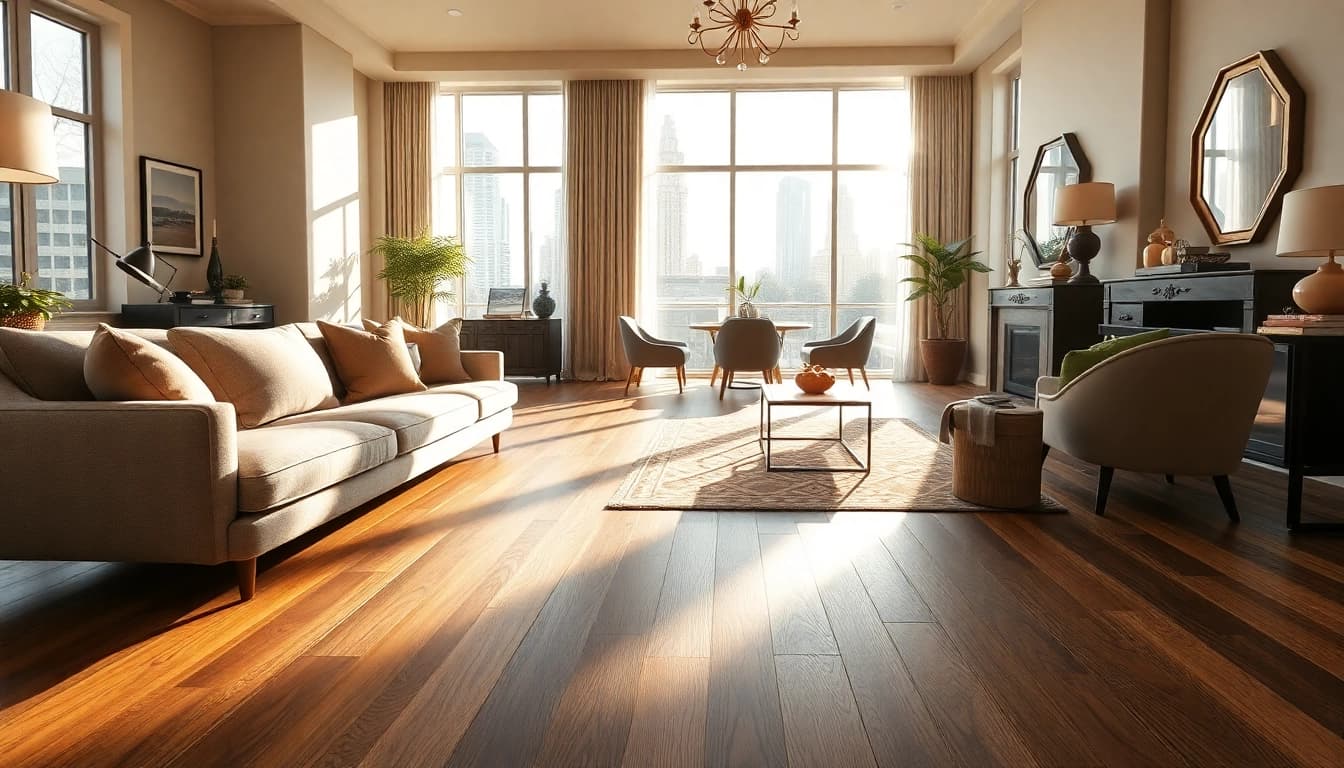
The aesthetic versatility of LVP flooring allows it to fit seamlessly into any design style. From rustic farmhouse to contemporary chic, LVP collections feature an array of options. Textures also vary, with some products designed to mimic the natural grain patterns of wood or the cool surface of stone. Additionally, advanced printing technology ensures that modern LVP can reproduce intricate designs and colors that reflect genuine hardwood or ceramic tile.
Choosing the right style involves considering your home's overall design language. For instance, if your space boasts a modern aesthetic, opting for a sleek, gray-toned plank can enhance contemporary elements. Conversely, if your design leans more toward the rustic side, warmer, oak-inspired tones may be the better fit. It's beneficial to obtain samples and view them in your intended space to assess how light interacts with the colors.
Considerations for Choosing Color and Texture
Selecting the perfect color and texture for LVP flooring can dramatically affect the ambiance of a room. Lighter planks can make a space feel larger and more open, while darker tones can create warmth and coziness. In smaller spaces, paler shades may also help mitigate feelings of confinement.
Texture plays a significant role in both aesthetics and practicality. Textured LVP can add depth and dimension to a room, often enhancing the realistic appearance of the flooring. Additionally, textures can provide slip-resistance, adding to safety in areas where water is common, such as bathrooms and kitchens. When making your decision, consider both the visual impact and functional aspects of your choices.
Tips for Measuring Your Space for LVP Flooring
Accurate measurements are crucial for ensuring that you purchase the right amount of LVP flooring, avoiding unnecessary costs and waste. To begin, clear the room of furniture and items that may obstruct measurement. Using a long measuring tape, determine the length and width of the room, then multiply these dimensions to find the square footage. It's also wise to add 10% extra for waste, especially if complex cuts are needed for installation around corners and doorways.
For irregularly shaped rooms, break down the area into smaller sections, measure each one separately, and add the square footage together. Additionally, be mindful of any existing flooring—if you're replacing an existing type, check for any height differences that could affect installation.
Installation Process of LVP Flooring
Preparing Your Home for LVP Flooring Installation
Before installation, proper preparation of your home is vital. Ensure that the subfloor is clean, dry, and level. Uneven surfaces can lead to issues with the LVP laying flat, which may affect its performance and durability. If necessary, use a suitable leveling compound to address any discrepancies.
Additionally, allow the LVP planks to acclimate to the room’s temperature and humidity for at least 48 hours before installation. This step is crucial to prevent expansion or contraction once the flooring is laid. Be sure to finish any painting or remodeling in the space beforehand to avoid potential damage to your new floor.
DIY vs. Hiring Professionals for Installation
Installing LVP flooring can be a rewarding DIY project, but it requires some skill and care to ensure a successful outcome. For handy homeowners, the interlocking design of many LVP products allows for a straightforward installation that often doesn’t require glue or nails. However, if flooring expertise or tools are lacking, hiring professionals may be wise. They possess the experience necessary to tackle complications that can arise during installation, ensuring a perfect fit and finish.
Cost is another factor to consider. While professional installation incurs an additional expense, it often guarantees peace of mind and a flawless finish. Weigh your budget against your skill level and the complexity of your space when deciding which approach to take.
Common Installation Mistakes to Avoid
Even seasoned DIYers can make mistakes during flooring installation. One common error is failing to account for expansion gaps around the perimeter of the room. It’s essential to leave a small gap (typically 1/4 inch) to prevent the flooring from buckling in the event of expansion. Not adequately acclimating the LVP to the room temperature can also lead to problems.
Another mistake is underestimating the importance of a level subfloor. Any minor anomalies can lead to significant complications down the line. Lastly, be careful during the cutting process; take precise measurements and use sharp tools to ensure clean lines and edges, avoiding unnecessary waste.
Maintaining Your LVP Flooring
Daily Care and Maintenance Practices
Maintaining LVP flooring is relatively simple and requires minimal effort. Regular sweeping or vacuuming is advised to prevent dirt and debris from scratching the surface. For deeper cleans, a damp mop with a solution specifically designed for vinyl flooring can be effective. Avoid using abrasive cleaners, as they can dull the finish. Additionally, placing doormats at entryways can help capture dirt before it reaches the main floors.
Long-Term Care Tips for Longevity
To prolong the life of LVP flooring, consider implementing preventive measures. Using furniture pads can protect the floor from scratches caused by heavy or gritty items being moved. Regularly inspect high-traffic areas for signs of wear and tear. Prompt interventions can mitigate larger issues down the road. Occasionally, applying a vinyl floor polish can refresh its surface and add an extra layer of protection.
Products to Use and Avoid on LVP Flooring
When cleaning LVP flooring, opt for products specifically formulated for vinyl surfaces. Ensure that you avoid harsh chemicals like bleach, ammonia, or oil-based cleaners, as they can cause damage. A simple mixture of warm water and a few drops of gentle dish soap works excellently for general cleaning. High-traffic areas can benefit from a dedicated vinyl floor cleaner that provides additional protection against wear.
Frequently Asked Questions about LVP Flooring
Is LVP flooring waterproof?
Yes, LVP flooring is waterproof, making it ideal for areas with high moisture like kitchens and bathrooms.
How long does LVP flooring last?
Typically, LVP flooring lasts between 10 to 30 years, depending on quality and maintenance.
Can LVP flooring be installed over existing flooring?
Yes, LVP can often be installed over most existing floors, but proper assessment is required for best results.
Is LVP flooring suitable for pets?
Absolutely! LVP flooring is durable, scratch-resistant, and easy to clean, making it great for pet owners.
What temperature should LVP flooring be installed at?
Ideal installation temperatures range from 65°F to 85°F to ensure proper adherence and performance.